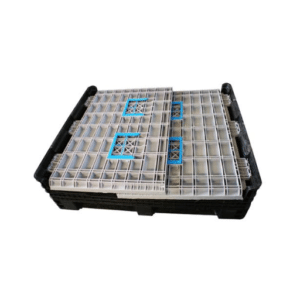
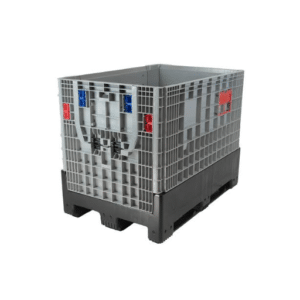
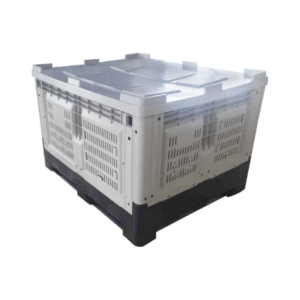
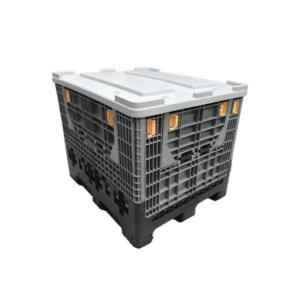
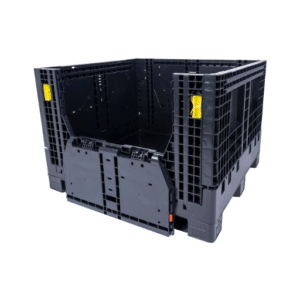
Custom plastic pallets provide Original Equipment Manufacturers (OEMs) their ultimate solution for three important needs: supply chain optimization, product safety maintenance, and operational efficiency enhancement. Custom-designed plastic pallets enable customers to create pallets that perfectly match their specific requirements through their ability to build pallets according to their particular dimensions and weight limits and required operational capabilities which include stacking and RFID tracking. The guide presents essential procedures for designing and manufacturing custom plastic pallets which organizations can use to develop operational efficiency and control expenses while achieving environmentally sustainable outcomes. The article will provide you with complete information about the essential characteristics which make custom plastic pallets a vital resource for contemporary OEMs who need to maintain their market position.
Understanding Custom Plastic Pallets
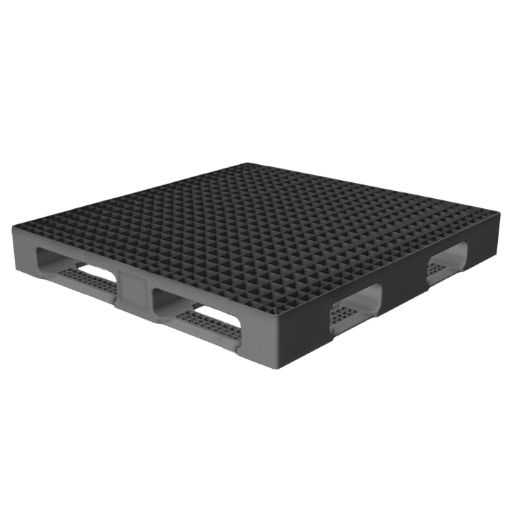
What Are Custom Plastic Pallets?
The custom plastic pallets function as shipping and storage solutions which businesses need to fulfill their particular operational needs. The pallets differ from standard pallets because they use plastic materials which can be customized to create different sizes and weight limits and distribution requirements and operational compatibility with automated systems such as conveyors and robotic systems. The pallets deliver exceptional hygiene standards because they can be reused and withstand moisture and chemical and pest damage which makes them suitable for pharmaceutical and food and beverage and manufacturing industries. Pallet optimization for selected operational requirements helps companies achieve better operational results while decreasing waste and fulfilling their environmental sustainability objectives.
Benefits of Custom Built Plastic Pallets
Key Advantages:
The custom-built plastic pallets provide major benefits for businesses because they offer better protection which makes them more durable than wood pallets thus decreasing the need for replacement. The system enables precise customization according to specific industry standards which include both dimensions and weight handling capacity and system operation requirements.
The design of these products enables better cost savings during transportation operations because they keep their strength while carrying heavy items. The pallets provide outstanding protection against moisture and chemical and pest damage which makes them suitable for maintaining hygiene standards in pharmaceutical and food processing industries. The products use recyclable materials for their manufacturing process which helps organizations achieve their sustainability goals while decreasing their negative effect on the environment.
Applications of Custom Plastic Pallets
The various industries which require plastic pallets use custom plastic pallets because they provide both flexible solutions and dependable performance. The pharmaceutical and food and beverage and manufacturing sectors utilize these materials because they need products which maintain hygiene and show durability. The pallets have been designed to meet particular requirements which need nestable designs to save space and anti-slip surfaces to ensure safe goods transportation. The modern warehousing system requires automated systems which use these products because they improve operational efficiency and decrease handling expenses.
Design Considerations for Custom Plastic Pallets
Factors Influencing Custom Pallet Design
Critical Design Factors:
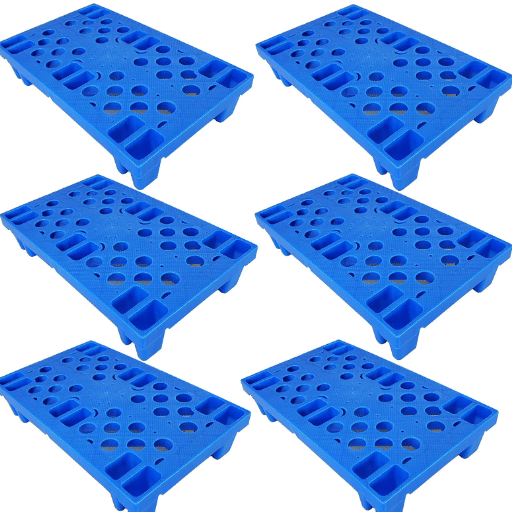
Custom pallet design is determined by key factors which include load capacity and material selection and handling system compatibility and storage system compatibility. The pallet must maintain its load capacity to carry three types of loads which include static and dynamic and racking loads.
The selection of materials which include high-density polyethylene HDPE and polypropylene PP determines the product’s durability and weight and environmental impact. The design needs to match the size requirements which include automated systems and conveyors and shelving systems to achieve proper system integration. The design specifications become more specific through factors which include intended usage of export and hygienic applications and temperature resistance and cleaning requirements. The optimization of custom pallets for operational performance and cost performance requires these elements to be addressed.
Choosing the Right Size and Specifications
| Consideration | Details |
|---|---|
| Regional Standards | 48″ x 40″ dimensions in the United States and product size variations |
| Storage Requirements | Transportation system requirements and space utilization |
| Load Capacity | Product weight and environmental conditions consideration |
| Environmental Factors | Temperature changes and moisture exposure affecting material selection |
Pallet size selection requires consideration of regional standard pallet sizes which include 48″ x 40″ dimensions in the United States and product size and storage and transportation system requirements. The pallets need to be able to fit inside shipping containers and trucks in order to achieve efficient space utilization and cost savings. You need to determine the necessary load capacity for your products while also considering environmental conditions which include temperature changes and moisture exposure that will affect your material selection process. The matching of your specifications to operational requirements will improve both logistics efficiency and product safety.
Designing Stackable and Nestable Pallets
Stackable Pallets
Feature a top deck that is either flat or reinforced
Include specific components for safe storage
Support multiple pallets during storage and transport
Nestable Pallets
Use tapered or hollow legs for compact storage
Stack inside each other when not in use
Reduce storage space requirements significantly
The design of stackable and nestable pallets enables storage and transportation optimization through their ability to minimize space requirements during nonactive periods. The modern design process uses high-density polyethylene HDPE and polypropylene PP as base materials to create products which withstand moisture and chemical substances and impact forces in various industrial applications. The decision between using stackable or nestable pallets comes down to three factors which include the need for storage space and the need for product movement and the expected logistical cost savings.
Manufacturing Process for OEM Plastic Pallets

Steps in the Manufacturing of Custom Plastic Pallets
Manufacturing Process Overview:
- Raw Material Selection: Choosing high-density polyethylene material and polypropylene material for strong and flexible properties
- Melting and Shaping: Materials undergo processing through injection molding and thermoforming and rotational molding
- Injection Molding: Molten plastic injected into specially designed molds for consistent high-quality results
- Cooling and Trimming: Creating smooth edges and maintaining structural strength
- Finishing Process: Adding steel bars for strength and creating surface textures for enhanced grip
- Quality Inspection: Assessing pallet quality to confirm specifications before shipping and distribution
The production process for manufacturing custom plastic pallets starts with choosing raw materials which include high-density polyethylene material and polypropylene material because these materials offer strong and flexible properties. The materials undergo a process where they are melted and shaped through methods such as injection molding and thermoforming and rotational molding. The process of injection molding uses molten plastic which operators inject into specially designed molds to create pallets that have consistent and high-quality results. The formation of pallets requires a process which involves cooling and trimming to create smooth edges and maintain structural strength. The finishing process includes two options which involve adding steel bars for strength and creating surface textures which enhance grip. The inspection process assesses pallet quality to confirm that pallets fulfill all specifications before they proceed to shipping and distribution.
Quality Control in OEM Pallet Production
Quality Assurance Measures:
The process of quality control for OEM pallet production starts with detailed procedures which verify that every pallet fulfills both industry standards and customer requirements. Manufacturing facilities use advanced automated systems to track essential production parameters which include weight distribution measurements and dimensional accuracy assessments and material composition analysis.
The process of non-destructive testing uses ultrasonic and infrared testing techniques to identify internal defects without damaging the structural components of the pallets. The procedure involves visual inspections to detect surface defects while stress testing evaluates whether the pallets can handle their designated weight limits. The quality control procedures provide reliable and safe and efficient performance to all applications.
Customizable Features and Options
| Feature Category | Available Options | Benefits |
|---|---|---|
| Size Options | Various dimensions and load capacities | Perfect fit for specific operational needs |
| Material Composition | Wood, plastic, or metal materials | Durability and application-specific performance |
| Surface Features | Anti-slip surfaces and custom designs | Enhanced safety and handling efficiency |
| Tracking Systems | RFID tracking for inventory management | Improved supply chain visibility |
| Protective Coatings | Moisture and chemical resistance | Extended product lifespan |
| Design Types | Stackable and collapsible designs | Enhanced storage capabilities |
The modern pallet system provides multiple customizable features which enable different industries to fulfill their specific needs. Users can select from different options which include various size options and load capacity options and material composition options which utilize wood or plastic or metal materials. The system provides additional features which include anti-slip surfaces and RFID tracking systems for inventory management and custom designs which support supply chain operations. The application of enhanced coatings provides protection against moisture and chemicals while stackable and collapsible designs enhance storage capabilities. The customizable options provide businesses with solutions that match their specific logistics and manufacturing requirements.
Industry Applications of Custom Plastic Pallets

Custom Plastic Pallets in Logistics and Supply Chain
Custom plastic pallets play a critical role in modern logistics and supply chain operations by enhancing efficiency, durability, and sustainability. The pallets provide lightweight construction but maintain strength which enables cost savings during shipping while they can withstand multiple transportation cycles. Custom plastic pallets function as material handling equipment because they work with robotic palletizers and conveyor belt systems. The company produces products with non-porous surfaces which provide hygienic conditions for food and pharmaceutical and electronics industries because these fields need high sanitary standards. The products become suitable choices for environmentally responsible businesses because their materials can be recycled.
Usage in Food and Beverage Industry
Industry-Specific Benefits:
- Bacteria and fungi protection through non-porous surfaces
- Simple to clean and sanitize for hygiene maintenance
- FDA and HACCP compliance for safe handling of perishable goods
- Lightweight design reducing product damage during transit
- Enhanced tracking features including RFID tags for inventory management
The food and beverage industry uses custom plastic pallets because they meet all required hygiene and safety standards which must be maintained in this field. The pallets provide bacteria and fungi protection because their non-porous surfaces remain simple to clean and sanitize. The product meets FDA and HACCP requirements which govern the safe handling and storage of perishable goods. The product achieves optimal transportation safety because of its lightweight design which creates less product damage during transit. Businesses can improve their inventory management capabilities through enhanced tracking features which include RFID tags as an additional tracking system.
Other Industries Benefiting from Custom Plastic Pallets
| Industry | Specific Requirements | Key Benefits |
|---|---|---|
| Pharmaceutical | Strict hygiene standards and contamination resistance | Easy sterilization and cleanroom compatibility |
| Automotive | Heavy weight support and safe part transportation | Durability and load-bearing capacity |
| Electronics | Static electricity prevention | Protection for sensitive equipment |
The pharmaceutical and automotive and electronics industries now use custom plastic pallets because those pallets meet their unique business requirements. The pharmaceutical industry uses these pallets to meet its strict hygiene standards because the pallets resist contamination and enable easy sterilization. The automotive industry requires products that must support heavy weight and maintain safe transportation for their parts. The electronics industry uses plastic pallets because they prevent static electricity from damaging their sensitive equipment. These customized solutions help various applications through increased operational efficiency and improved product safety.
Getting a Quote for Custom Plastic Pallets
How to Request a Quote for Custom Pallets
Quote Request Process:
- Determine your requirements including pallet measurements and maximum weight capacity
- Identify preferred materials and needed additional features
- Find a trustworthy company that produces or sells pallets
- Complete the request form accessible through the company website
- Provide accurate information about planned use and required custom features
- Contact supplier through email or telephone to receive specific quote
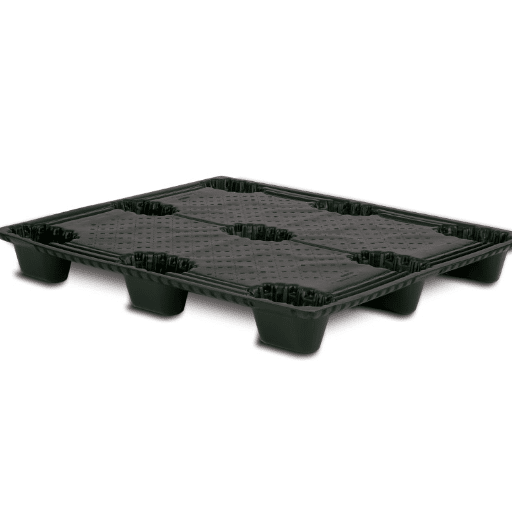
The process to obtain a quote for custom plastic pallets begins when you determine your requirements which should include pallet measurements and maximum weight capacity and preferred materials and needed additional features. The next step requires you to find a trustworthy company that produces or sells pallets. The company provides its customers with a request form accessible through the website which they need to complete to request a price estimate. The provided form requires accurate information about the planned use and required custom features to be entered by you. You have the option to contact us through either email or telephone according to the available methods to reach us. The supplier requires you to provide complete information about your needs so they can create a specific quote that will be delivered to you without delay.
Factors Affecting Pricing of Custom Plastic Pallets
Pricing Considerations:
- Material Type: HDPE and PP prices fluctuate based on raw material market conditions
- Design Complexity: Reinforced structures and safety elements increase manufacturing costs
- Dimensions: Larger pallets require more materials for construction
- Production Volume: Bulk orders receive superior unit pricing through economies of scale
- Custom Tooling: Special mold requirements affect initial investment
- Certifications: Industry standards and compliance requirements impact final costs
The price of custom plastic pallets depends on four main factors which include the material type and design complexity and dimensions and production volume. The common materials used in construction are high-density polyethylene (HDPE) and polypropylene (PP) which experience price changes based on fluctuations in raw material markets. The manufacturing costs increase when customers request custom design features that include reinforced structures and additional safety elements. The production costs increase because larger pallets need more materials to create their design. The pricing structure for bulk orders operates under economies of scale, which means that customers who buy larger quantities will receive superior unit pricing. The production costs are affected by three factors which include the need for custom mold tooling, the use of special materials that provide UV protection, and the requirements to meet specific industry standards and certifications.
Understanding Lead Times and Delivery Options
| Delivery Aspect | Timeline/Options | Considerations |
|---|---|---|
| Standard Lead Time | 2 weeks to multiple months | Depends on stock availability and production needs |
| Express Delivery | Quick delivery with additional fees | Available for urgent requirements |
| Delivery Methods | Conventional, fast, and bulk options | Flexible to meet supply chain requirements |
The production schedule and order difficulty and shipping method choice determine the lead time and delivery method within the manufacturing sector. The standard lead time operates between two weeks and multiple months depending on whether the items exist in stock or need to be produced. The company provides customers with quick delivery options which require them to pay extra fees. The delivery system needs to provide flexibility, which allows businesses to meet their supply chain requirements, and companies provide conventional delivery and fast delivery and bulk delivery options. The project schedule requires suppliers to provide confirmation about delivery dates, which helps to verify their shipping capability for project completion.
References
-
Evaluation of a Custom Designed Plastic Pallet
This study evaluates the robustness and structural integrity of custom-designed plastic pallets.
Read more here -
DeKALB Molded Plastics – Purdue MEP
DeKALB Molded Plastics specializes in custom structural foam molding for large plastic products.
Learn more here -
Recycling Behind Most Growth in Pallet Production
This document discusses the growth in plastic pallet production and recycling trends.
Access the document here
Frequently Asked Questions (FAQ)
What are custom plastic pallets and how do they differ from a wood pallet?
Custom plastic pallets function as pallets constructed through the process of molding or fabricating plastic materials which designers create according to specific weight and dimension and operational needs. Custom plastic pallets from virgin or recycled plastic material establishment permanent physical dimensions and unbroken surface areas which maintain higher sanitary standards than wood pallets that can develop splintering and moisture absorption and pest infestation problems.
Which industries use custom plastic pallets and why are they suitable for a variety of industries?
Across multiple industries which include food and beverage and pharmaceuticals and automotive and chemical and retail custom plastic pallets serve as effective solutions because they can be developed into special designs that demonstrate chemical protection and plastic material strength and hygienic surface attributes. A custom plastic pallets manufacturer can design pallets to meet industry-specific demands like FDA compliance, high-temperature resistance, and stackability for efficient storage and transport.
What impact does bottom deck design have on custom plastic pallets because they can support rackable operations?
Yes, many designs are rackable to support loads on warehouse racking systems. Rackable plastic pallets and those with reinforced bottom deck structures provide uniform load distribution and prevent sagging during storage. When specifying a pallet made for racking, manufacturers will consider exact specifications for bottom deck thickness, support columns, and stringer geometry to ensure safe use on static and dynamic racks.
Are custom plastic pallets eco-friendly and can they be recycled?
The environmental friendliness of custom plastic pallets depends on the materials selected and the methods used throughout their entire operational cycle. Pallets are made from virgin plastic for strict purity requirements or from recycled content to reduce environmental impact. Many custom plastic pallets reach end-of-life recyclable status while some manufacturers provide take-back services which enable the recycling and reprocessing of used pallets to minimize waste and maintain circular material flows.
What tests do custom plastic pallet manufacturers use to ensure their products meet quality standards?
Manufacturers perform extensive testing procedures to verify that their pallets achieve the required load capacity and durability and safety requirements. Testing to ensure performance often includes static and dynamic load testing, impact and drop testing, environmental exposure analysis, and fatigue testing. The process of quality control involves three main steps which include analyzing materials and measuring dimensions and inspecting the production process to verify that components and welds match the design specifications.
Can I order specialty or assembled solutions and how do providers offer pallets to store and transport unique goods?
Yes, many suppliers offer specialty designs and full assembly services to meet unique logistics needs. A custom plastic pallets manufacturer can design pallets with integrated fixtures, skids, removable decks, or tailored dimensions to store specific goods, facilitate automated handling, or support specialty packaging. They will typically work from a product analysis and client requirements to offer pallets that fit handling equipment, storage racks, and distribution workflows.
Ready to Optimize Your Supply Chain?
Custom plastic pallets represent the future of efficient, sustainable, and cost-effective material handling solutions for OEMs across all industries.