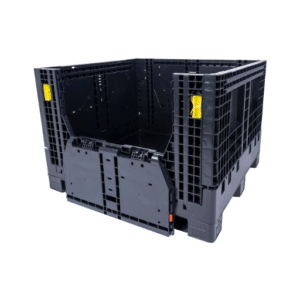
The logistics and supply chain industry has experienced a huge turnaround thanks to the introduction of plastic pallets that are not only durable but also lightweight and efficient replacements for old wooden pallets. Amongst the various materials used to make plastic pallets, High-Density Polyethylene (HDPE) and Polypropylene (PP) are the most famous. These two materials, though they look alike, have different characteristics that are suitable for different applications. It is very important to know the differences between HDPE and PP plastic pallets if you want to choose the right one for your business needs. This blog goes into the essential material characteristics of HDPE and PP pallets and discusses along with their advantages, disadvantages, and ideal applications, thereby enabling you to make a choice adapted to your operations. Continue reading to find out the plastic pallet that is most compatible with your operational objectives!
Introduction to Plastic Pallets
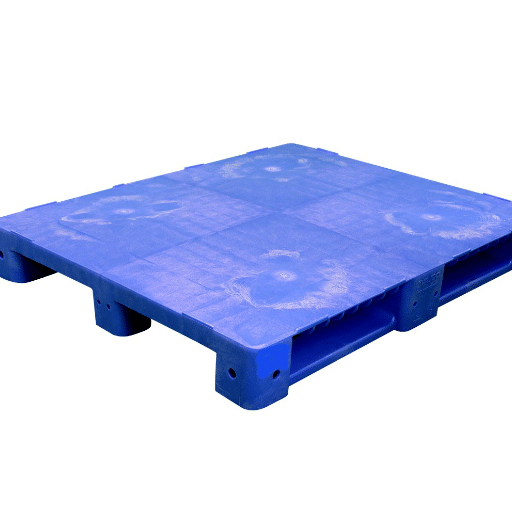
What are Plastic Pallets?
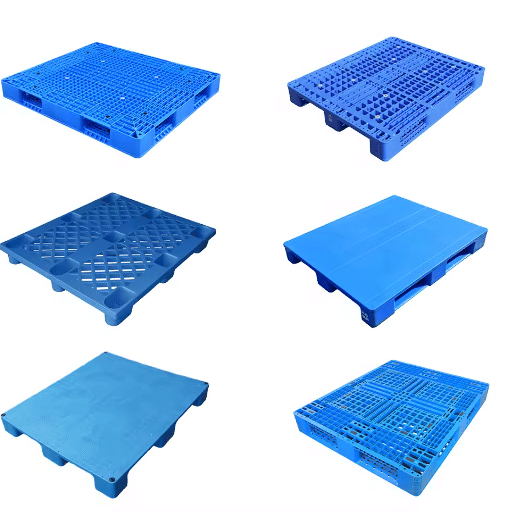
Plastic pallets are very long-lasting, lightweight platforms that are quite useful in shipping and storage as they can easily support and move products around. Being made from such materials as high-density polyethylene (HDPE) or polypropylene (PP), the plastic pallets are very tough and can even withstand rough handling, which makes them a better option when it comes to replacing the traditional wooden pallets. Besides, the plastic pallets are not only reusable but also very easy to clean and are offered in a variety of designs that can meet the needs of different industries and applications, thus providing efficiency and sustainability benefits. The plastic pallets find their way even in the logistics, manufacturing, and food and beverage storage industries, among others.
Materials Overview: HDPE and PP
HDPE (High-Density Polyethylene) and PP (Polypropylene) are the very versatile thermoplastics that are usually the main materials for plastic pallets because of their sturdiness and good performance. Among the properties that make HDPE stand out are high strength-to-density ratio, superb impact resistance, and the ability to endure high and low temperatures; hence, it is very suitable for making such pallets for heavy-duty applications. Concerning PP it has a very strong chemical and heat resistance, rigidity, and fatigue resistance, thus it can be reliably used even in the most demanding environments. Both materials are known to be lightweight, cost-effective, and recyclable, which are also the main reasons for their widespread use in reducing environmental impact while keeping the quality of the product high across many different industries.
Advantages of Utilizing Plastic Pallets
The advantages of plastic pallets are so many that they can hardly be counted and this is why they have become a favorite option in various industries. Among the main advantages is the fact that their durability allows them to last longer than wooden pallets, hence there is no need for frequent replacements. Being lightweight, they reduce the shipping cost but still give stability to the load. Plastic pallets’ resistance to moisture, chemicals, and pests makes them suitable for sanitary and hygienic applications, especially in the food and pharmaceutical sectors. Furthermore, their consistent design makes it easier for them to be fitted into automatic processes. Most of the plastic pallet is made from recyclable materials that are eco-friendly thus helping in sustainability and matching with green initiatives, while at the same time being cost-effective and environmentally responsible.
HDPE Plastic Pallets
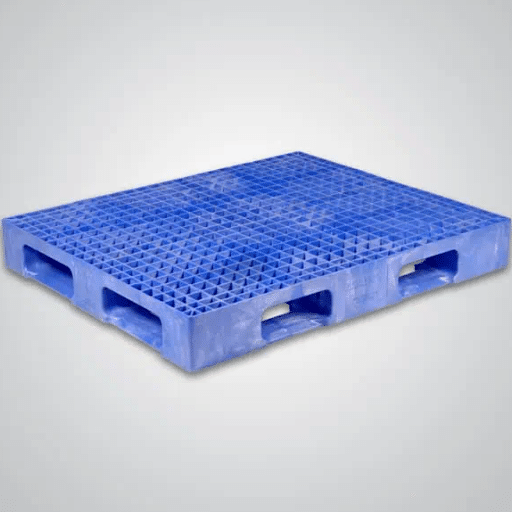
Material Properties of HDPE
High-Density Polyethylene (HDPE) is a thermoplastic material that is very strong, durable, and lightweight, making it the perfect choice for pallet making. The material properties of HDPE include high impact resistance, excellent chemical resistance, and low moisture absorption which ensures that it lasts and works well in different environments. The main reason of HDPE’s acceptance in difficult industries is that it is able to endure extreme temperatures and stress without cracking which is very important in industries that have high sanitary standard requirements. Besides, what is more, HDPE is highly recyclable which makes it a material that promotes sustainability and has less environmental impact.
Durability and Life Span of HDPE Pallets
Resistance to impact, chemicals, and extreme temperatures make HDPE pallets durable by a wide margin. These qualities mean that the pallets will keep on being very strong and running well despite being subjected to very heavy loads and demanding environments. What is more, their low moisture content does not allow for warping or softening even after long periods of use. Therefore depending on the nature of use together with aspects like maintenance and the like, HDPE pallets may very well have an impressive life span, often exceeding that of conventional wood or metal pallets, thus being a cost-efficient as well as an environmentally friendly choice for the long haul.
Best Applications for HDPE Plastic Pallets
Heavy-duty, hygiene, and compliance with strict regulations are the main characteristics that make HDPE plastic pallets perfect for industry solutions. Apart from this, the pharmaceuticals, chemicals, and food and beverage sectors are among the major industries that use these pallets because their resistance to contamination and cleanliness are so vital. Moreover, the pallets are perfect for export purposes because they are lightweight, and therefore, they can also be shipped internationally without breaking the standards. Furthermore, they can be used for manufacturing and warehouse operations, besides being good for export applications because of their light weight, compliance with international shipping standards and the ability to withstand harsh environments.
Polypropylene (PP) Plastic Pallets
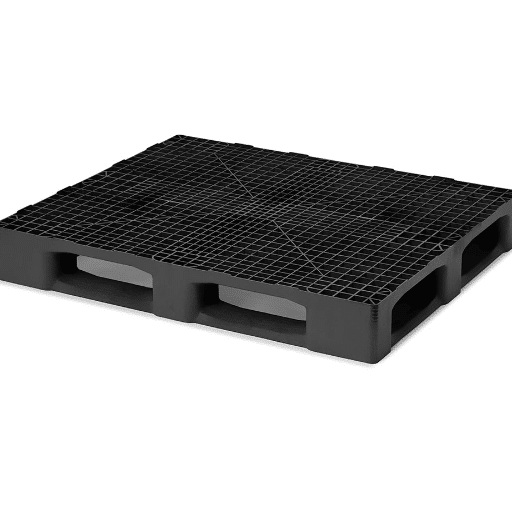
Material Properties of Polypropylene
Polypropylene (PP) is a tough, featherlight, and multifaceted thermoplastic polymer that has a good number of different types of applications. It is very much appreciated for its resistance to chemicals which is the reason to use in places where acids, alkalis, and organic solvents might be present. The impact resistance is very good, especially at higher temperatures, and the material is stable in both hard and soft conditions. The already mentioned characteristics are enhanced by low moisture absorption and resistance to cracking when stressed. Additionally, polypropylene is an environmentally friendly and cost-effective solution for the plastic industry since it is 100% recyclable. The aforementioned qualities have made it to be the most material to be used in the manufacture of pallets which need to be durable and reliable in all sorts of conditions for a long time.
Benefits of Heavy-Duty PP Pallets
Heavy-duty polypropylene (PP) pallets come with several advantages that justify their use in diverse applications. Their durability is superlative and the combination of their feature of being impact resistant, a chemical non-reactant, and withstand extreme temperature makes them the best candidates for the application. These pallets are lightweight but at the same time very strong which further decreases the cost of transportation and is advantageous in case of handling. The longevity of the pallets is further increased because of their resistance to moisture absorption and stress cracking even in harsh environments. The recyclability of plastic is 100% which implies that the usage of PP pallets result in a lower carbon footprint and that they are an eco-friendly and money-wise solution for industries that are mainly focused on reducing their environmental impact while being at the same time meeting high performance standards.
Applications of PP Plastic Pallets
PP plastic pallets are extremely flexible and can be used in almost all sectors due to the fact that they are strong, light and eco-friendly. One of the main uses of these pallets is in the logistics and supply chain management sector for the transportation and storage of goods. Because of their unobtrusive and chemical-resistant properties, they have found a place in the pharmaceutical industry, which is subject to very high hygiene levels. The same goes for the food and beverage industry where PP pallets are used primarily because of their capacity to take on low and high temperatures and thus safe storage and shipment of perishable goods is guaranteed.
Moreover, the automotive sector is a beneficiary of PP pallets when it comes to overcome the challenge of transporting heavy and bulky components, for their strength and cracking resistance. The e-commerce and retail industries are also the users of these pallets that help in making the warehousing process more efficient with their uniform dimensions that ease the process of stacking and racking. The predominant aspect of sustainability has led manufacturers to put PP pallets as the main choice when it comes to meeting environmental protection standards, as they are 100% recyclable and reduced single-use material significantly. Their flexibility and durability ensure that they stay the first choice in the various applications across the industries in today globalization.
Comparing HDPE and PP Plastic Pallets
Strength and Durability Comparison
HDPE plastic pallets are quite durable and less susceptible to impact than PP ones, hence they are often used in heavy-duty applications and in rough places. Despite being somewhat less durable, PP pallets have more rigidity and are thus more suitable for lighter loads or for applications needing dimensional stability. In normal circumstances, both materials work well, but the decision frequently hinges on the particular requirements of the business. If strength and toughness are paramount, then HDPE is the material of choice, while for lightweight and stiffness situations, PP is the one that is beneficial.
Cost-Effectiveness of HDPE vs PP
In discussing the cost-effectiveness of HDPE (High-Density Polyethylene) vis-a-vis PP (Polypropylene), various factors such as the raw material prices, durability, life span, and specific use cases come into consideration. From recent market data gathered from reliable sources, HDPE has, in general, a slightly higher raw material cost than PP. Nevertheless, the excellent strength, durability, and resistance to the environment of HDPE usually lead to lower long-term maintenance and replacement costs, especially in heavy-duty applications. Conversely, PP is often chosen for applications where lightweight and rigidity are the primary concerns, and its lower initial cost can render it more attractive for short-term or less demanding uses. Ultimately, the decision of whether to go with HDPE or PP for cost-effectiveness comes down to weighing the initial investment against the performance and longevity needs of the specific application.
Environmental Impact of Plastic Pallet Materials
HDPE and PP both possess environmental impacts, which are different depending on their production, usage, and disposal. HDPE is usually more durable and recyclable thus it can reduce the overall waste and environmental pressure if managed properly. Its durability results in saving resources as less is needed for replacement. PP also has the recycling option but it may have a shorter life span in harsher applications thus resulting in more frequent replacements and incurring more environmental costs through disposal. Nevertheless, both materials are fossil fuel-based and their production cycle leads to an increase in greenhouse gas emissions. Hence, it is very important to have proper recycling programs in place and research for more sustainable alternatives to help reduce the environmental impact of plastic pallets.
Choosing the Right Plastic Pallet Solution

Factors to Consider When Selecting a Plastic Pallet
In the process of choosing a plastic pallet, factors such as load capacity, durability, weight, and material composition should be taken into account by companies. Load capacity is a crucial aspect as pallets have to bear the weight of the products without the risk of distortion or breakage under pressure. Durability is a determinant of the pallet’s life, and for that reason, the use of top-quality materials allows for the production of durable pallets with a high resistance to wear and tear even during handling that is done often and under diverse conditions. The weight of the pallet is a factor that encumbers shipping costs and handling; in general, lighter pallets are the ones chosen for transportation, that is the most efficient. Moreover, the material of the pallet must be in accordance with the intended use as, for example, food-grade plastic for the food industry that has to put up with strict hygiene standards. Knowing the compatibility of pallets with certain types of handling equipment, storage systems, and environmental conditions guarantees the best performance. The data suggests that industries are putting more and more emphasis on recyclability and eco-friendliness, which is the reason for the increasing demand for pallets made from recycled materials as a way to lessen their carbon footprint while still being functionally efficient.
Understanding Different Pallet Sizes and Configurations
Pallet types and sizes are determined by regional standards, industry needs, and the kind of goods transported. The major standardized sizes of pallets are the 48×40 inch one used in North America and the 1200×800 mm Euro one that is common in Europe. Additionally, configurations differ since there are two-way and four-way entry options according to the type of forklifts or jacks used. Factors like warehouse height, weight of the cargo, and methods of shipping should be considered when selecting the size and configuration of the pallet to ensure proper handling and storage throughout the supply chain.
Recommendations for Specific Industries
I suggest using a standard 48×40 inch pallet in the retail industry since it fits in with most of the North American supply chains. In the case of European industries, the 1200×800 mm Euro pallets are perfect for maximizing the usage of warehouse space and also meeting the requirements of regional standards. If your business is dealing in the food or drugs sector, then you must use only the pallets with hygienic designs like that of plastic pallet to be able to meet the sanitation regulations. Plus, the use of four-way entry pallets will help in getting through the restricted spaces- perfect for forklift operation. Remember to always choose suitable pallets according to the specific storage and transport needs of your industry.
References
-
An Investigation of the Plastic Pallet Industry in the United States in 2018
View Source -
Environmental analysis of pallets using life cycle analysis and multi-objective dynamic programming
View Source -
Comparison of the Different Hazards Experienced by Pallets During Material Handling
View Source
Frequently Asked Questions (FAQ)
Are rackable pallets and rackable plastic pallet suitable for warehouse racking?
Rackable plastics are made to be strong enough to support heavy weights and the same is true for many hdpe pallets that are rated for the same static load capacity as rackable plastic pallet options for industrial plastic pallets. Due to their composition of hdpe material or recycled hdpe and sometimes being structurally foam-molded, which is a method used in heavy-duty plastic constructions, they have a longer lasting life span and can be heavy-duty plastic for demanding operations. Pallet collapse during storage and transport is prevented by rackable designs that increase the risk of injuries because they keep the top deck stable. In comparison with wood pallets, hdpe pallets are non-porous, more easily sanitized, and more resistant to damage from moisture and chemicals that can affect the product. RFID, closed-loop, and pallet range are the suggested unused terms.
How do nestable pallet and nestable export pallet designs save space?
Nestable pallets and nestable export pallet styles are developed to allow empty pallets to be placed inside each other which will not only lead to more compact storage of hdpe pallets but will also make the pallet logistics for export pallets more efficient. Nesting plastic is a common plastic solution for exported goods and reduces return transportation costs in closed-loop and open-loop supply chains. Even though nestable designs may have a static load capacity that is less than that of rackable models, they still provide strong plastic solutions for beverage and export pallet needs. Pallets from high-density polyethylene are the most common ones and offer lightweight yet long-lasting pallets compared to single-use wood ones. The suggested unused terms are drum pallets, sanitize, and stackable pallets.
Why choose stackable pallets or stackable plastic pallets for storage?
Pallets that are stackable and stackable plastic pallets allow for safe stacking of loaded pallets, thereby maximizing vertical storage, thus are suitable for warehouses that are storage and transport efficiency-oriented. Plastic pallets are made using either hdpe material or recycled hdpe and are preferred because they are non-porous and easier to sanitize than wood pallets which lessens the risk of contamination in food and beverage applications. Structural foam molded construction makes these plastic pallets last longer and there will be fewer splinters and accurate dimensions for use in automated material handling. Stacking of designs can consist of solid top plastic pallets, which prevent damage to products and provide a stable top deck for palletized loads. The unused terms that are suggested are light weight pallets, pallet range, and new pallets.
Can heavy-duty plastic pallets and heavy-duty designs handle industrial loads?
Heavy-duty plastic pallets and heavy-duty designs are targeted to the industrial plastic pallets that need high static load capacity and long lifespan for repeated cycles in the manufacturing and distribution area. They are the durable plastic pallets that are often structural foam molded or made from high-density polyethylene to combine strength with lightness, which makes handling safer and less costly due to reduced transport. Heavy-duty hdpe is also for extreme conditions and is among the non-porous materials that are easy to clean, which also resists exposure to moisture and chemicals that wood can’t take and will thus be damaged. Many heavy-duty pallets are compatible with racking systems, drum pallets, and automated material handling devices that are used in various sectors. Reusable plastic pallet is another term you can use apart from product damage and solid top plastic pallet.
How do hdpe material and recycled hdpe impact the performance and sustainability of pallets?
Apart from wood pallets, hdpe material, and recycled hdpe both make hdpe pallets that are the most favored plastic options with a long service life and resistance to rot, rust, and contamination. Using recycled hdpe minimizes the environmental footprint and supports closed-loop programs while still providing durable plastic strength suitable for many pallet range requirements. Pallets can also be in the form of structural foam molded which maximizes the material’s strength and makes them lighter and more efficient in storage and transport. Non-porous and easy to sanitize plastic pallets are preferred in hygiene-sensitive sectors like beverages and pharmaceuticals. New pallets, standard duty pallet, and rfid are the suggested unused terms.
What plastic pallet options exist between standard-duty pallet and heavy-duty models?
Plastic pallet options stretch from standard-duty pallet types for light, stackable loads to heavy-duty plastic pallets for industrial use, with the possibility of intermediate choices like nestable pallets, rackable pallets, and stackable plastic pallets which are already customized for their specific needs. Pallets can be made by structural foam molding which gives a good balance of strength and weight, or solid top plastic pallets for better load distribution and product protection, and they are made from high-density polyethylene to ensure durability and longer life span. If you prefer closed-loop reuse, export efficiency, or warehouse racking compatibility, your choice among reusable plastic pallets and nestable export pallet variants will depend on that. Manufacturers usually provide specifications such as static load capacity and top deck configuration so you can match