In material handling and transportation, the choice of pallets to be used plays a crucial role in their operational efficiency and profitability. Plastic Pallets and Cardboard Pallets appear to be the most popular choices, yet each come with clear advantages and disadvantages based on their context of application. Despite being well known for their long lasting and tough nature, plastic pallets, on the other hand, present a danger in terms of bulk, thus making cardboard pallets more preferred. This paper discusses the significance of the above mentioned differences, attacking the subject in question through measures of performance such as the durability, typical applications and how one can make an informed decision given that many variations cater to the purposes of different businesses. In order to do that a complete picture will be provided to facilitate the making of decisions for achieving those specific operational goals.
Understanding Plastic and Cardboard Pallets

Definition of Plastic Pallets
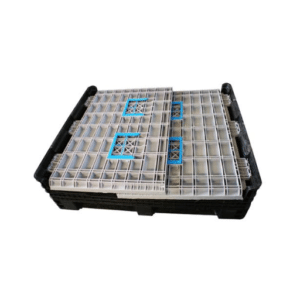
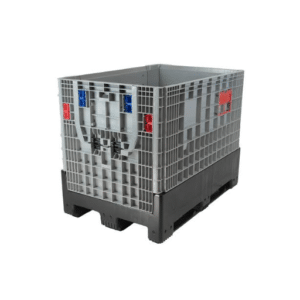
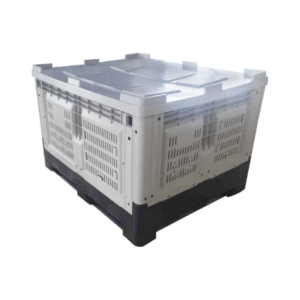
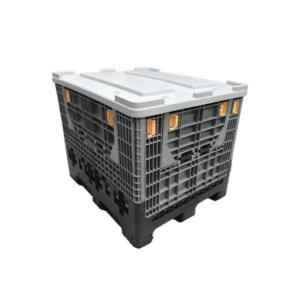
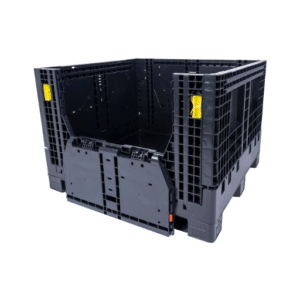
Plastic pallets are special transportation devices that are robust, reusable, and constructed out of such materials as high-density polyethylene (HDPE) or polypropylene (PP). Those people who are in charge of logistics see benefits of plastic because of its durability and insensitivity to water, organic solvents and temperature swings. Users from the food, pharmaceutical and other associated packaging sectors are known to apply hygiene-friendly plastic pallets. If other industries consider the use of cardboard pallets as disposable then they can be convinced to purchase plastic pallets. Unlike plain carton based platforms, plastic pallets come with far much better service life and cannot easily get damaged even under heavy load or over a long distance. To boost carrying capacity and transportation adaptability usability of cardboard pallets is achieved with slip proof surfaces and ability to stack.
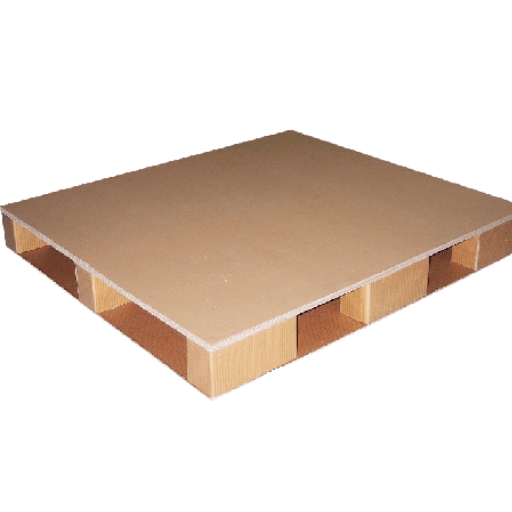
Cardboard pallets, also known as corrugated or paper pallets, are light weight packaging alternatives that are used for the storage and carriage of products. The pallets are made from corrugated paper and are intended to serve as a cost and environmentally friendly substituent for the common plastic and wooden pallets. While they do not have the strength or carrying capacity of plastic pallets, these paper pallets are particularly excellent for light warehousing, one-way movements and/or other tasks for companies that have their supply chain that requires minimal use of weights, minimum levels of transport back to the source of plastic, or one that requires safe proof against carbon emissions. They are also much preferred in cases where disposal of the items is not a hassle since they are easy to dispose and do not have that problem of being present in the environment for ages because they are recyclable. Cardboard pallets are so far the only effective mean of packagings in terms of recycling as the decomposition is theoretically impossible.
Overview of Pallet Solutions
Cheap, renewable, and reliable cargo liners are an advantageous invention that emphasizes recycling and minimization of expenditure. Having a saving opportunity reduces the problems that were often encountered with traditional cargo liners, because the weight and the transportation cost on such a liners is dramatically lower, for example in comparison with the standard wooden ones. When it comes to robustness, however, it is seen that disposable ecological goods are effective. These are manufactured predominantly for markets that make a lot of imports as most of the times the countries involved have strict rules on imported goods. Moreover, their compatibility with environmental targets means that businesses that aim to lower their carbon footprint can find a guilt-free and business saving option. On the flip side, in the context of high load conditions or use planning, plastic corrugated pallets are a better bet compared to other types, even though cases of medical equipment are justified by lower initial expenditure.
Durability Comparison: Plastic vs Cardboard Pallets

Material Strength and Longevity
Evaluating the mechanical characteristics and durability, the plastic pallet is way better than the carton pallets. The design of the plastic pallet is done using high quality polyethylene or polypropylene which are known to provide great resistance against physical impact, moisture and high temperatures as well. The high impact resistance makes them last longer in addition to being able to handle weight all the time and may last even beyond ten years if taken care of properly.
Cardboard pallets despite being stiff, exhibit a retrictive force and tend to break. I mean they are delicate and only suitable for use once and for light freight. With the improvement in technology, toothed card boards are now available to this gap. However, eeven these contain fiber which becomes weak when wet rendering the such type of applications impractical. Plastic pallets is of high importance especially in shipment frequency and handling the hosiery in such condition, this is as a result of the strength of the material and the warranty. According to recent estimates, it can be concluded that there is an upsurge in the use of plastic pallets among the various applications for imparting robust material properties and extended life service to the equipment.
Weight Capacity of Plastic and Cardboard Pallets
Cardboard and treated with special plant-based insecticides comply with the stricter requirements of the regulator – such pallets are industrial goods and may be used only within a limited period of time. Standard chemical storage pallets feature corrugated top bands that hold the materials that they typically contain within them, available protective features that can be easily arranged, as well as openings for access to the uppers, and more. As they need to be managed by a machine or a device which can gripp or otherwise reach them very high loads can be stored in pallets or containers on many shelves and served by a special crane. Dimensions and different colors are also abundant. Many support more than 3000 lbs. forks. Besides, there are several support points. At least one makes it possible to perform bending and fluctuations of the fork lifting first. The other set of points permits the increase of or in other words the reduction of the fork height with the load fork. In another set the fork subsides or otherwise gradually returns the load-bearing throat of the fork at high or very moderate speed. Its design does not resources for installation of a safety system and use of it does not require moving parts. Also, there is a great simplicity of construction, moreover, all joints are sealed.
Retention of Prices
Compared to cardboard pallets, plastic pallets are better protected from weather and other conditions that threaten cardboard pallets. Due to the following factors: ability to resist water damage, resistance to all kinds of chemicals, resistance to temperature variations, only wet and chemically reactive environments, it is acceptable to use plastic molded decks in inelastic environments. High moisture absorbing cardboard pallets tend to swell and weaken water or in water-containing environments causing faster rate of structural failure. Moreover, plastic pallets continue to outlast cardboard pallets in continued use under harsh conditions, while the latter are best used in a regulated and climate controlled environment to prevent them from wear and tear. Hence, the variation in resistance offered by the environment calls for selection or rather specification of materials in line with the nature of the activity that has to be undertaken in any specific case.
Benefits of Cardboard Pallets

Cost-Effectiveness
Being cost effective is the most crucial advantage coming from the fact that the manufacturing and raw material costs are low compared to wooden or plastic pallets. This feature enables businesses that use such materials to cut costs in the supply line especially in regard too light or single way supplies shipments. In addition, they are relatively light in weight which minimizes freight charges since fuel consumption is also reduced. They may not last as long as other pallets but being able to throw them away and even recycle is also two reasons that contribute to waste reduction and compliance with CWMA regulations.
Back To Table Of Contents
The easy-to-maneuver design of the boxes decreases the stress on the workers, and every process of loading and unloading of the goods is of lower effort. This is an enormous property of such equipment, considering its human-centered approach and cost-cutting nature the workers are less likely to get hurt thereby increasing the overall output of the workforce. By the way these products will further contribute to the transportation logistics in the companies by weight reduction, hence forcing better consumption of fuel and reduction of the transport costs. These lessor characteristics renders the corrugated cardboard cartons to be a very smart and also very economical investment in the industries where quickness in handling is essential.
Environmental Impact of Cardboard
Biodegradable interactions are typically believed to be eco-accommodating materials, with the consideration of cardboard coming in due to the aspect of both biodegradability and the eco-friendliness of recycling. Usually when they get recycled, they reduce the utilization of virgin materials and save some trees and water. Nonetheless, the ecological inner of cardboard bears some risks. One example of this is the intensity of producing the paper and the disposal of it after use. With an aspect of recycling, carbon di oxide even reduces during their formation, unlike the methane emissions in landfills because t is perfectly packed in its positive carbon di oxide blanket hence does not produce methane gas. To address these concerns, the application of more eco-friendly options the customer taking a reusable approach, recycling and using only cardboards that come from approved sources is necessary.
Use Cases for Plastic vs Cardboard Pallets

Industries Favoring Plastic Pallets
Some industries with increased preference of plastic pallets are usability, fitness, and others. For example, pharmaceuticals, food and drinks, and chemical industries especially embrace the use of plastic pallets due to infection and corrodible properties. This facilitates enhanced standards of hygiene. In another case, other companies with extensive transborder transactions have better luck as plastic pallets are not too heavy, nonvarying in measurement, and do not require treatment against pests thanks to lack of wood in them. That is why in the end, one can easily observe why pallets like plastic pallets can be most suitable for companies demanding a great degree of cleanliness and immunity throughout their operations.
Industries Which Prefer the Use of Cardboard Pallets
Due to their practicality, versatility and eco-friendliness, cardboard pallets have become increasingly popular in various industries in modern times. This is especially true for the retail sector for which cardboard pallets reduce the costs of transport and provide an easy way of getting rid of things sorted away for recycling or disposal. The food and beverage businesses also make great use of these pallets for transportation of light loads especially perishables or single-use items needing high levels of cleanliness such as Hi-jets.
An interesting case is in the supply of Pharmaceuticals and Cosmetics where cardboard Pallets are used to shuffle small, lightweight, neatly-sized items that particularly require low packaging. Moreover, e-commerce and fulfillment centers rely on cardboard pallets to enhance last-mile delivery by ensuring lower shipment weights and carbon dioxide emissions as it does not require any added packaging to be securely transported. Latest examples of data driven inquiries reveal that targeted usage of corrugated display pallets is rising especially in such occasions as those of fairs or stall set ups showcasing their relevance. Most importantly, it is the go-green appeal coupled with the functionality of such pallets that is making these containers of cardboard favored by organizations and even the consumers for that matter.
Exploring the Logical Ideology of Applications.
In comparing and contrasting the different pallets available in the packaging industries, the science and technology of structural design has brought about a significant transformation concerning how pallets are constructed. They work especially well to the advantage of the industries which are most focused on sustainability due to the dynamics of their eco-friendly properties, depending on the fact that the industry has a low weight, it can be dismantled in a rectangular shape and this also significantly plays part in destruction of the materials including the board. For illustration, they make export of items cheaper since cargo can be stowed without fear of possible non-observations or therefore pests which could lead to the destruction of the desirable goods. This also reduces ISPM 15 on…
deviation away from the norm as wood requires heat treatment and gas/vacuum fumigation service when pests are present. However, for applications that require some longevity or exposure to water, extreme operating conditions e.g. heavy industrial usage or refrigerated environments, plastic or wooden pallets have better prospects. Some applications e.g. exhibitions or temporary displays exploit the capability of customizing and minimizing the prices of corrugated pallets which makes them the best option for one-time purposes. The most preferred choice of pallets hinges on the specific functional and operational constraints, most especially operational requirements and the prevailing environmental issues besides cost.
Innovations in Pallet Technology
Advancements in Polymer Pallets
In the recent past, many significant changes have been observed in the polymer pallets with the advent of material engineering and manufacturing techniques. At this point, modern day polymer pallets are developed with higher resistance levels by using high-density polyethylene (HDPE) and polypropylene so as to be able to carry heavy goods and endure unfavorable settings. Furthermore, increased effort has been put to design them to be repackaged or be put to use as a stack in storage fostering the ease of cargo transportation and warehouse management. Many polymer pallets are also eco-friendly featuring recycled materials or promise high recyclability as appreciated in the current effort in sustainability activities and the efforts to lessen ecological pollution. Advancements like RFID tags and IoT enabled trackers which find their way into polymer pallets have played a crucial part in monitoring supplies effectively. For purpose of inventory and operations, real time location of freight and modes of transport is a major development because the polymer pallet can be visualized as an efficient and convenient tool for use in different industrial contexts.
Predictions on Future Evolutions of Pallet Solutions
Future advancements within the provisions of pallet utilization will without a shadow of a doubt be the cause the influences accessed in technology, nature of material employed and sustainability aspiration. This is a sign which indicates that, it is likely foresee the superiority of IOT applications in Automised Pallets incorporating real time monitoring pack of suitable sensors. Pallets with sensors offer the benefit of track and trace capabilities as required, in few cases also through condition monitoring, and almost in every case is associated to real time data. This reduces costs and looming threats of fake and scratches, with increased benefits to certain cases. Further, the plastic and polymer industry is going to have an additional boost from the above mentioned industries as the developments in these very related industries are not lagging behind. In addition, the development of these materials is less harmful to the environment whilst still ensuring that their mechanical and load bearing properties are retained and improved. Other practices that involve the use of fully recyclable goods such as ERC that uses recycled goods alone would promote some pictoric designs which might also conform to global standards with such for use. Combining all of these, the growth in business that will ensue in the industry expects to defeat the challenge that protects the environment with the help of pallets.
References
-
Portland State University Solid Waste Assessment Report
Link to source
This report discusses various materials, including plastic and cardboard, in the context of waste management and sustainability. -
Environmental Analysis of Pallets Using Life Cycle Analysis and Multi-Objective Dynamic Programming
Link to source
This academic paper explores the environmental impact of different pallet materials, including plastic and cardboard. -
Construction Waste on Campus
Link to source
This document examines the use of plastic and cardboard pallets in construction waste management.
Frequently Asked Questions (FAQ)
Are wooden pallet risks greater than corrugate or plastic options?
Reusable plastic pallets offer substantial financial benefits over many cycles of reuse, with repeatable plastic pallets being both durable and strong. They are also very light since the weight of the material is that of the actual plastic. In comparison to the wooden wood, there is the advantage of minimizing the overall cost of tools and equipment. Besides, this also reduces the safety risks and chances of replacing tools soon. These are essential features for some groups that the nationwide traditional wood wears load tendency. Plastics, like wooden wood, have a substantial one-time capital design and production cost. Plastic tools are able to come down. This is one of the positive results of the national law. CDN is already a law.
Which is better for moisture protection: Corrugated Paper value to plastic equivlent?
Corrugated paper pallets, and the corrugate designs they can create, are usually not as effective when it comes to moisture resistance as plastic pallets, so they are not very suitable where liquid exposure or conditions of high humidity are expected. Paper pallets and corrugated paper pallets reinforced with honeycomb cores can be designed in a manner that they offer some useful strength. However, moisture will definitely have adverse effects on the strength over time. They are hygienic to use and water would not affect them at all. No moisture penetration or water resistance is displayed by these pallet components. Concerning the packing requirements where only the product safety and minimal contamination is the greatest concern, plastic pallets which are generally called non-porous have become the most commonly used especially amongst the pallstores as they are easy to clean and do not allow the formation of molds. Corrugated possibilities find better use for the purpose of one-way shipments, lighter air cargo, or in any situation where recycling initiatives and the reduction in initial expenditure are substantial. In certain cases, it is advisable to bear in mind the overall impact of the lighter weight in transport on ecological considerations and the possible hazard of absorption of liquids by the composite strength material deployed to take the place of pallets namely paperboard pallets.
Can a paper pallet or corrugated paper pallets meet food and product safety requirements?
Paper pallets of different shapes and sizes are manufactured and offered for certain product safety requirements but they are usually more prone to contamination and wetting compared to plastic pallets. In the food industry, it is the norm to use plastic pallets, for they are non-absorbent, easy to clean, and resist the infestation of pests and the growth of microorganisms thereby maintaining high levels of food quality. Corrugated Paper Pallets bring benefits such as lower pallet weight and price, and possibility of being reused in an eco-friendly manner – such as considering recycled materials. However, Corrugated paper pallets are less strong compared to wood or plastic and do not suit harsh conditions or offer resilience against harsh conditions or long distances for a long period of time. A number of factors need to be looked into while selecting any type of pallet including international laws governing the use of pallets, type of loading done with regards the top deck and bottom deck of the given pallet, and if it would be will be reused or disposed after shipment.
What are the main disadvantages of choosing corrugate or paper pallet over reusable plastic pallets?
One of the main limitations is that the corrugate and paper pallet types are typically less durable and less moisture resistant than, for instance, reusable multiway plastic pallets due to which are not good for frequent use and particularly not for outdoor use. Corrugated lightweight paper pallets might prove economical for one-way transportation or non-heavy-duty applications, but their reliability can be compromised with moisture and rough treatment. Plastic pallets are made from materials that lend themselves to the cleaning and disinfection process, thus minimizing risk of bacterial infection and improving safety in the case of explosion-prone industries. Spoilered Yourloved ones circled “Charity work” as “What is the single most important environmental and social concern facing businesses today. On the other hand, although paper pallets may be excellent in recycling magnitudes, they tend not to reflect the material cost benefit in comparison to robust plastic pallets during use. It is important that managers assess and compare different pallet types, determine top of the pallet load distribution, and consider shipping solutions including water stretch film so as to select the most appropriate method for their packaging requirements.
Does choosing a paper pallet affect workplace safety and handling compared to wooden pallet or plastic pallets?
There are certain things that should be noted before purchasing paper made substitutes and these pertain health and safety at the workplace more than anything else. It is possible that the materials used in corrugate and paper made pallets me not injure the users from splinters or dirty nailsm however, the chances this may happen is greatly reduced as it may occur where the load capacity may collapse. The new technologies that are used in commercial centers makes it possible to use the strong wooden pallets easily hygienically. The plastic pallets reused many disadvantages due to the fact that they have several advantages in a way that they have the same pallet designs, the deck which is almost flat, and these assists in preventing foreign materials to the pallets. Conversely, these plastic pallets are also that the top deck may be dangerously slippery when wet and therefore care must be taken to prevent slippage and shifting of the load by using appropriate texture and fastening the load with stretch wraps. Investigating magnitude of a pallet regarding load type and fashion of management is very critical when choosing the appropriate type of pallet that poses the least risk and which is most suitable for use.