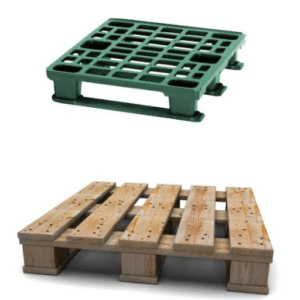
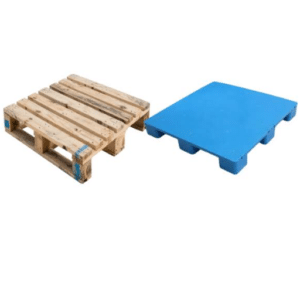
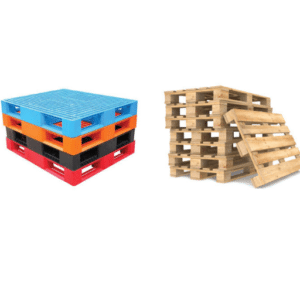
In the selection of pallets for the storage and transport of items, knowing the limitations in varying materials is vital. Among the different types of pallets, plastic and metallic pallets are the most common ones used, and though their purpose is the same, they still have plenty of distinctions such as the strength, durability, and cost-effectiveness. If you are a part of the world of manufacturing, warehousing or even distribution, these kinds of differences can make operations more efficient and on the other hand, leads to the improvement of the profit margin. This blog post will start by pointing out the technical prime requirements in which both materials essentially differ, namely load capacity, life span, capital cost, and ultimately total value. In the end, you will become thoroughly aware of the pallet type that would perform the best according to your very particular requirements.
Introduction to Pallet Types
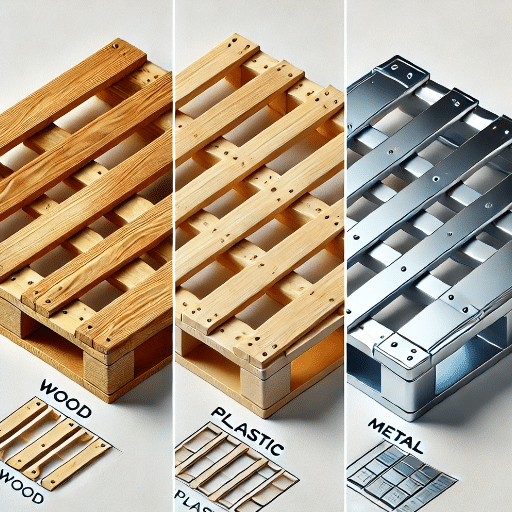
Understanding Different Pallet Types
Pallets can be divided into two main classes: wooden and plastic. The primary advantage of wooden pallets is that they are cheap compared to the others, and they have a high load capacity and are easy to repair. They are suitable for heavy loads and for logistics systems based on single-use distribution; however, they are likely to splinter and be affected by moisture as a result of the latter, which in the long run will reduce their life span. On the other hand, plastic pallets are to be more environmentally resistant, resistant to water and chemicals, and much lighter, therefore, the shipping cost can be reduced considerably. Nevertheless, the issue of higher initial costs and lesser reparability might still hold back some users.
Key Considerations
The final decision about the pallets will vary for your supply chain according to the needs of the users, such as how often the pallets are being reused, under what handling circumstances, and what their budget is.
Benefits and Limitations
There are a number of benefits associated with the use of plastic pallets. The latter include the fact that they are very durable, have resistance to moisture and chemicals and are much lighter compared to wooden or metal pallets thus making them quite suitable for the food processing industry. Nevertheless, those who use them may have to face the negative of the high cost of their initial installation and that they can be repaired only within the limited range.
On the other hand, metal pallets enjoy very strong support and long life, making them top choices for high-usage or long-range applications of products. The metal type can operate under the most severe weather and other environmental problems, but the high cost may restrict their use in some parts of the supply chain. The choice of plastic or metal pallets as the better material for the load stands on several factors like load requirements, environmental conditions, budget, and planned use period.
Importance of Choosing the Right Pallet
Choosing the right pallet is the cornerstone of an effective logistics management system and the safe and efficient transportation of goods. The durability and weight capacity of loads are determining factors and metal pallets are the best option for heavy and lengthy use loads, whereas plastic pallets are the best solution for lighter and shorter-term applications.
🎯 Factors to Consider
- Environment: Metal pallets are known for withstanding harsh temperatures and moisture, whereas plastic pallets might get damaged in similar conditions.
- Budget: Plastic pallets are usually less expensive to purchase initially, however, metal pallets can create a long-term value through its durability and reusability despite the high initial cost.
- Work Duration: Plastic pallets are suitable for temporary or one-time tasks, while metal pallets work great for repeated and long-term jobs.
Material Comparison: Plastic vs Metal Pallets

Durability of Plastic vs Metal Pallets
Plastic pallets have a solid level of durability, particularly when the environment has a consistent load and is controlled by good conditions of being moisture, chemical, and corrosion-resistant. However, they are very brittle and break easily when the load is more than the leg bearing capacity or there is an impact, which limits their use to light duty applications only.
On the other hand, metal pallets have the longest-lasting life by far when compared to the two types of pallets, scoring by their good performance in cases where there is a need to carry a lot of weight, resistance to impact, and being under the attack of bad weather. They are not as prone to wear and tear, so they are a good option for operations that are long-term and intense, although the issue of complicated handling may result from their heavier weight.
Hygiene Attributes Associated with Pallet Material
Hygiene factors are a crucial aspect when selecting pallet materials. In a not general but as a rule, plastic pallets are the best in comparison to their competitors as they have one great advantage which is their non-porous surfaces, hence, no moisture absorption, and no bacterial growth. They can be best suited for industries where sanitation is of utmost importance, for example, food and pharmaceuticals.
| Material | Hygiene Level | Key Features |
|---|---|---|
| Plastic Pallets | Excellent | Non-porous surfaces, no moisture absorption, prevents bacterial growth |
| Wooden Pallets | Poor | Porous texture, harbors bacteria, mold, and pests |
| Metal Pallets | Good | Durable and stable when properly maintained; requires regular cleaning |
On the other hand, wooden pallets, while being the most budget-friendly option, can be the abode of the bacteria, mold, and pests that are invisible to the human eye in many cases, due to their permeable texture. The metal pallets, on the other hand, are so stable that they can easily outlast a trip around the world provided they are in good conditions. However, not properly maintained, they can undo this image and start presenting various hygiene problems as their surfaces’ etching can be rotted or soiled with many foreign substances.
Financial Evaluation of Various Pallet Materials
Plastic pallets are usually more expensive initially than wood pallets. However, they are of higher quality and their life-time gets you to save in the long run. It is not the same with wood pallets, which are much more cost-effective at first but still, you should count on more expenses over the years you use them up because they are easily worn out, and you have to continually repair or replace them. Metal pallets are the most expensive option at the very beginning but they are very durable and resistance to any kind of damage they could face so they are suitable for heavy-duty or long-term use in special industries, especially. Ultimately, the decision has to be done by considering the initial high expenditure related to the high operational efficiency, longer life, and individual application demands.
Performance Characteristics of Pallet Types
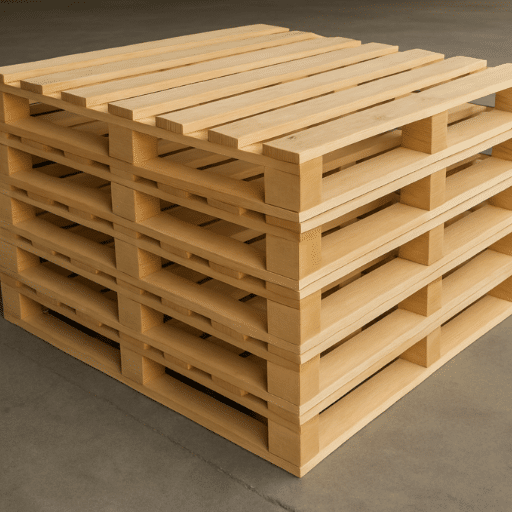
Load Capacity: Steel Pallets vs Plastic Pallets
Steel pallets are the to-go material when it comes to maximum load capacity. They outperform plastic pallets in that aspect by a high margin, thus, in such conditions where transporting or storing extremely heavy goods is the requirement, they are the best option. Steel pallets are built to last and are not affected by the weight, and in many cases, they still handle it perfectly with zero or at least very less deformation even under challenging conditions of industry.
⚡ Performance Tip
Meanwhile, plastic pallets will have a lower load capacity but they will get the job done for lighter-weight applications where durability under extreme weight is not the main or only thing needed. Steel pallets are the most durable and their only weakness is the ineffectiveness of the cost-efficiency and weight in some of the contexts, while plastic pallets are the lighter alternatives for less demanding cases.
Resistance to Weathering in Plastic and Metal Pallets
Plastic pallets are very resistant to weather changes because they don’t rust or wear down when water or humid ambient get to them, so they are the most recommended choice for outside storage or places with water around. Metal pallets, especially stainless steel ones, also stand up well to the weather due to their rust-proof nature; however, metals like standard steel that are not protected from rust, do rust quickly in wet places. Both the materials are good withstanding temperature fluctuations but the plastic may shrink or become very rigid in case of being overheated or exposed to cold weather while the metal stay intact but put may reach extremes of heat or cold to touch, which can be a problem for handling them.
Ease of Handling and Transportation
In most cases, plastic pallets are considered to be advantageous in terms of their handling and transport ease, thanks to their low weight and, therefore, to the relief in both the manual handling and the fuel consumption of shipping. They have a very modern design that provides comfortable grip and friendly surfaces for stacking. Metal pallets are less likely to reposition during transport, thanks to the load stability and pallet material, which are also heavier than that of plastic pallets. Still, the higher metal pallet’s weight may result in a higher human labor input for handling and, at the other hand, mechanical handling might be a must. Nevertheless, both an automatic system and steel or plastic pallets can quietly go together. Plastic pallets win the dominating position in the handling-issue-scenario aspects of the two scenarios.
Choosing the Right Pallet for Your Needs
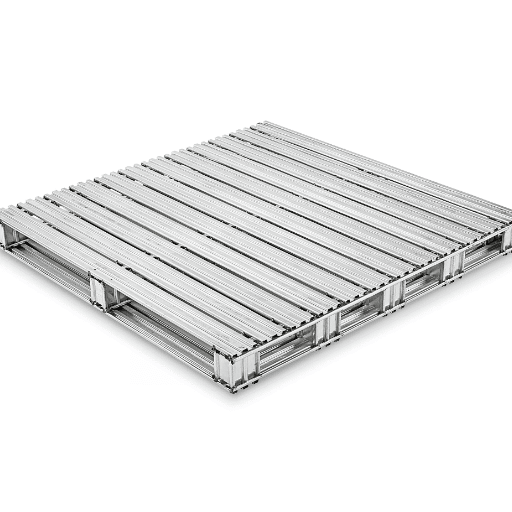
Factors to Consider When Choosing a Pallet
When deciding on a pallet, it is very important to keep in mind the specific demands of your supply line, e.g., the type of the transported goods, the climatic conditions, and the load weight. For example, strong and robust wooden pallets are very good to use for heavy loads because they have the needed strength and high load-bearing capacity but their weight of packing and that they are prone to be affected by moisture can be a drawback that limits their use in sultry or rainy areas.
📋 Selection Checklist
- Assess load requirements – Determine the weight and type of goods being transported
- Evaluate environmental conditions – Consider temperature, moisture, and exposure to elements
- Calculate budget constraints – Balance initial costs with long-term value
- Check automation compatibility – Ensure pallets work with existing logistic systems
- Consider hygiene requirements – Especially critical for food and pharmaceutical sectors
- Plan for lifecycle costs – Factor in durability, reusability, and maintenance
On the contrary, plastic pallets are easier to handle as they are not heavy and the fact that they do not get wet makes them more suitable for places where strict hygiene is practiced, such as the food or pharmaceutical sector. Furthermore, the suitability of pallet material with automated devices and logistic systems should be examined thus ensuring the system functions as a whole. Price is another essential issue regarding plastic pallets; although, in most cases, they are more expensive at the beginning, yet the quality of being able to be used over and over and that they have a long life-coupled with other factors can result in a situation where the total cost is higher. Finally, the ability to find the intersection of strength, loading and unloading speeds, and doing so at an economical cost would be the decisive factor in the selection of the pallet that suits your best.
Application Scenarios for Different Pallet Types
The choice of what kind of pallets to use depends on what kind of application scenario is in place, so as to guarantee that these factors never reach their peak with money and output coming in second. The example is the wooden pallet, which is mostly found in the agriculture and construction sectors, not only because of its low cost but also because it can tolerate the heavy weights that are placed on it. Nevertheless, it is not the same when it comes to areas that have stringent cleanliness rules such as pharmaceuticals or food production, where plastic pallets are the ones most frequently used. This is because of their being almost immune to the attacks of bacterias and other such germs, they are hard to break and can stand the high temperatures of washing, not to mention that they are compliant with all the health and safety standards.
| Industry | Recommended Pallet Type | Reason |
|---|---|---|
| Agriculture & Construction | Wooden Pallets | Low cost, high load capacity |
| Food & Pharmaceuticals | Plastic Pallets | Hygienic, bacteria-resistant, cleanable |
| Chemical Processing & Military | Metal Pallets | Heavy-duty, fireproof, extreme durability |
| E-commerce & Automated Warehouses | Plastic Pallets | Compatible with robotics and conveyors |
Metal pallets are not just expensive but also indispensable in heavy-duty applications and high-temperature environments; for example, in chemical processing and military logistics, where strength and fireproofness are the topmost requirements. Alternatively, the light-weight material used for cardboard and corrugated pallets is at the same time a great piece of skill when talking about excellent material and recyclability for the same logistics.
Newly available statistics show that plastic pallets are being used more and more especially by e-commerce and automated warehouses, thanks to their versatility; thus, they are compatible with robotic systems and conveyors. Companies that are adopting high technologies like AGVs and high-speed sorting systems are particularly opting for precision-designed pallets so that they can have an edge in the capacity aspect while keeping the interruptions to a minimum.
Long-Term Cost Implications of Pallet Choices
It’s a very important decision to make, since choosing the right pallet type has a high cost at the end of the day, which connects to the efficiency of operation and cycles of repair or replacement. Material that is hard-wearing, for example, hardwood or engineered plastic, may have a slightly higher cost in the beginning but in effect, when considering the longer lifespan and the fact that they are not prone to damage, the total expenses are lower. The reverse scenario, that is, cheaper alternatives of softwood or single-use pallets, could actually mean additional costs, mainly in the case of highly demanding environments or tough conditions. Also, the automation system has a direct impact on the pallets that can be used, and this contributes to the costs of the downtime and maintenance, as the wrong choices may lead to the improper functioning of the machinery. Hence, the evaluation of those in combination will help in obtaining an upfront investment that is right and at the same time, the enterprises will be in the position to utilize the following the best way for the purpose of operations.
💡 Cost Analysis Summary
Analyzing those demands that are specific to any particular application and getting very much familiar with them will enable the business to make decisions based both on the efficiency of operations and the economy of the company with sustainability preserved.
Key Takeaway: The cheapest initial option is not always the most cost-effective in the long run. Consider total lifecycle costs including maintenance, replacement frequency, and operational efficiency.
References
-
Comparison of the Different Hazards Experienced by Pallets During Material Handling
Read more on vtechworks.lib.vt.edu -
An Investigation of the Plastic Pallet Industry in the United States in 2018
Read more on vtechworks.lib.vt.edu -
Environmental Analysis of Pallets Using Life Cycle Analysis and Multi-Objective Dynamic Programming
Read more on etda.libraries.psu.edu
Frequently Asked Questions (FAQ)
What is the comparison between plastic and wooden pallets?
The plastic pallets and wooden pallets comparison is majorly based on their weights as plastic pallets are lightweight and easy to clean. Because of this, plastic pallets, especially in the food and beverage industry, are the ones to go for when it comes to sanitization. Moisture is not absorbed by plastic pallets in contrast to those made of wood, also, they can be provided with extra protection against decay and pests which are the common afflictions of the latter. The plastic pallets are moreover recyclable, and some designs weigh less and still maintain the same strength whereas the wood pallets are initially cheaper but afterward, they cost more because of the repairs.
Is heavy-duty loads the area where metal pallets surpass the rest?
Metal pallets are highly resistant to damage, and they are also super durable, which makes metal pallets a perfect match for applications that need to carry heavy loads or that are subject to extreme wear conditions. Both metal and plastic pallets are used in the industrial world, but metal pallets tend to be more expensive and heavier and the reason for this is the costs of the material and its fabrication. By means of the comparison between plastic pallets and metal pallets, we can see that plastic pallets are less bulky and that they tend to deform under very high pressure loads which is not the case with metal, so choosing between the two pallet types depends on the load and frequency of transportation.
Which industries would rather have plastic pallets?
Hygiene-critical industries like the food and beverage and pharmaceutical sectors often prefer plastic pallets since these are relatively cheap to maintain and provide a sterile environment. Moreover, they are easily cleaned, and they do not cause the contamination of clean goods. In addition, they do not give out any splinters unlike wooden pallets. Consequently, where humidity control is of prime importance, plastic is the material of choice as plastic pallets do not retain moisture. In the end, plastic pallets are the lighter, hence, cheaper option to transport.
Are plastic pallets recyclable and safe for food use?
Plastic pallets are in many cases double the price of wooden pallets and two and half times more expensive than metal ones. Metal pallets also offer the highest weight load, but they are the most expensive and require more maintenance compared to the other options. Wooden pallets are the lowest cost option and are not as durable as other types of pallets. Metal pallets are usually made of mild or stainless steel which are the two most expensive metals and also the most common in pallet production as they are the most resistant to corrosion and stringent hygiene practices in the food industry.
How do costs and maintenance compare between plastic, metal, and wood?
When made out of wood, pallets usually have a lower cost initially; and purchasing wooden pallets typically is a more cost-effective solution rather than choosing plastic or metal pallets. Plastic pallets are weightless and can help to save costs during the shipping of goods, but on the other hand, they are very vulnerable to impacts and might be more expensive than wood, but with a less than wood and plastics, long-term maintenance. Among metal pallets, these are the heaviest and usually have the most expensive start-up cost, but they are the most durable and lifers in heavy-duty use for the longest service life, thus making them good choices for returnable packaging systems.