Selecting the appropriate plastic pallet is a very important step for any industrial activity. The numerous available options including different designs and materials, varying weight capacities and special features, can be a bit confusing while seeking the perfect pallet for your specific needs. This guide will help you with the decision-making process, providing you with important information about the factors you need to consider while buying the plastic pallets. If you want to enhance your supply chain efficiency, ensure the workplace safety, or attain your sustainability goals, this detailed guide will give you the information to make an educated purchase. Keep on reading to know about pallet types and uses, get cost-saving tips, and learn about the best practices in the industry.
Understanding Plastic Pallets
What are Plastic Pallets?
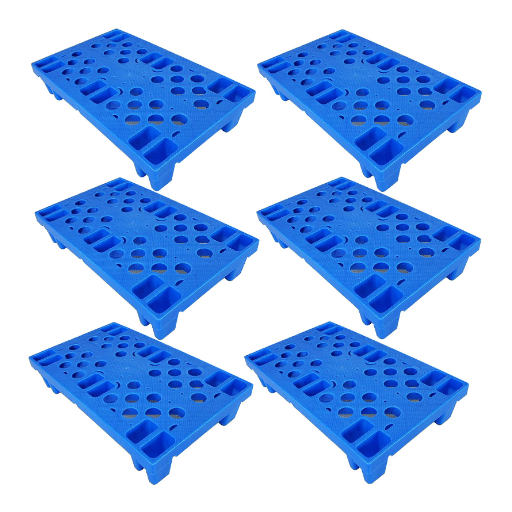
Plastic pallets are those platforms that are used for storing and moving goods in different industries and are durable and light. Plastics are not like wood, they stand moisture and other elements, they can be made from polyethylene or polypropylene. In addition, these pallets are designed for multi-use and thus are a cost-effective and eco-friendly choice. They can also be made to suit various sizes and designs thus catering to the needs of different sectors like food distribution, drugs keeping, and export shipping. Their compatibility with the automated handling systems is also guaranteed because of their standard design which in turn increases productivity.
Types of Plastic Pallets
The world of plastic pallets is full of different types, all catering to various industries and uses. The most notable types can be mentioned as follows:
Nestable Pallets
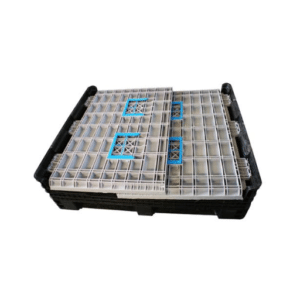
The main characteristic of nestable pallets is that they occupy very little space when not loaded. All pallets can be placed one inside the other, which reduces both the space needed for storage and transportation. Such pallets are perfect for industries that cannot afford to store items for a long time or for those who need to move pallets frequently.
Stackable Pallets
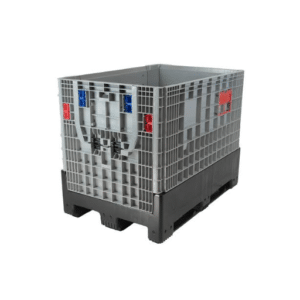
The stacking of pallets in a safe way gives an extra stability to the pallets during their storage and transport. These are usually provided with a solid or reinforced base, and they are therefore highly durable and fitting for even heavy-duty applications such as warehousing and logistics.
Rackable Pallets
Rackable pallets are designed as the ones that can be placed securely on racks and they offer great support for loads and are necessary for the use of storage systems in the warehouse. They are engineered to withstand heavy loads without giving way or being deformed and thus they find their usage in industries like retail and manufacturing.
Hygienic Pallets
Hygienic pallets, or food-grade pallets, are constructed for the industries that have the highest requirements in terms of cleanliness, mainly food and pharmaceuticals. The pallets come with the attractive feature of smooth surfaces and are also resistant to dirt and other impurities making them very safe for the standards.
Export Pallets
Pallets that are lightweight and low-cost are called export pallets and they are very good for one-way shipments. They are generally meeting the international shipping regulations and thus customs clearance is a lot smoother and the chances of delays or fines are minimized.
Customizable Pallets
A few manufacturers will provide the plastic pallets that can be customized as per the operational requirements. These modifications may include the changes in size, color, or even providing the extra features like anti-slip surfaces or RFID tagging for advanced inventory management.
The different types of plastic pallets all cover a certain area of need and thus the right pallet selection based on operational objectives and industry regulations becomes very important for companies.
Benefits of Using Plastic Pallets
Plastic pallets come with a lot of benefits, which make them a remarkable solution for a number of industries. They last much longer than wooden pallets since they are very tough, that is, they can stand shock, and moisture as well as chemicals. Their light weight is a big plus in terms of lifting and moving costs. Also, because of their similar size and shape they can be used in machinery that is automatic. In addition, plastic pallets are cleaner than the rest as they do not retain water and are easy to wipe off. Hence they are fit for use in the food and pharmaceutical industries where there are high hygienic standards. In the case of most plastic pallets, they are recyclable, thus making a contribution towards sustainability, and the availability of custom options means that companies can have them made according to their specific operational needs.
Choosing the Right Plastic Pallet

Factors to Consider in Design and Size
Choosing a plastic pallet is a process where load capacity must be assessed first. The load capacity is the maximum weight that a pallet can carry, and it must be dynamic and static loads too. The next big factor is the size and weight of the pallet that has to correspond with your storage and transport systems, including compatibility with racks and containers. The design should be such that it can fit the type of goods being handled, such as solid surfaces for small items or open decks for better ventilation. The product’s life and the type of material used are also important aspects, particularly in harsh environments or industries that follow strict hygiene standards. Lastly, take into account the tailor-made solutions to meet the peculiar operational needs while being economical and providing value for a long time.
Load Capacity and Weight Considerations
Load capacity and weight considerations need to be looked at from the point of view of the maximum weight that the equipment or structure can safely take without losing its structural integrity. Always make sure that the load capacity fits the operational needs and the nature of goods being transported or stored. Moreover, look at the weight distribution with a view to stability and to avoid uneven wear or damage. Also, take into account dynamic forces that may occur, such as during transportation movements, which could raise the load. Finally, you must check that the industry standards and safety regulations are being followed so that there is no risk in operations and reliability is guaranteed.
Choosing Between Stackable and Nestable Plastic Pallets
When making a choice between stackable and nestable plastic pallets, consider the storage and transportation requirements. Stackable pallets would be the best option if you plan to stack them securely in order to save vertical space and also provide stability during storage or movement. They are designed for heavy-duty use and will keep the load stable, hence suitable for static storage and racked systems. Nestable pallets, in contrast, are more efficient in terms of space, as they can be placed inside one another when not in use, thus taking up significantly less space. This feature makes them an economical choice for those operations where pallets are frequently returned or kept empty. Take your operational requirements, available storage, and handling processes into account to find the option that meets your logistics needs best.
Plastic Pallet Specifications

Standard Sizes and Dimensions
Different applications and industries have different requirements, plastic pallets being one of the solutions. They come in various standard sizes and among the most common dimensions are 48 x 40 inches, most widely used in North America, and 1200 x 1000 mm, which is very much used in Europe and Asia. With these standard sizes, different storage systems, transport equipment, and shipping containers have been made compatible to a great extent. Plus, there are custom sizes available for those industries that have special needs. Dimensions of pallets should be determined taking into consideration factors like the size of products, weight distribution, and handling equipment so as to get the most out of the performance and efficiency of the operations.
Material Density and Durability
When selecting materials for pallets, understanding the density and durability is quite important since it is a critical factor in determining longevity and reliability of the products. Material density is directly correlated with the weight capacity of the pallet and its ability to withstand stress during transport. Wood, plastic, and metals are common materials with different densities and durability characteristics hence they being suitable for different applications. For example, wooden pallets are known for their low-cost and repairability but may not last long in heavy moisture. Plastic pallets are usually more expensive initially but they also have their advantages like being consistently durable and lightweight and resisting environmental factors. Metal pallets are the strongest when it comes to durability and are suitable for heavy-duty applications, however, they are quite heavy and pricey.
It is found that there is increasing interest in sustainable and durable pallet materials like recycled plastics or composite options. These materials not only have a high-density durability but also support eco-friendly business practices. In the end, the decision regarding the material mainly depends on comparing factors such as load capacity, operational environment, and long-term cost effectiveness.
4-Way Entry and Handling Features
4-way entry pallets are made with the idea of giving the handling and transportation the utmost flexibility and efficiency of use. They permit forklifts and pallet jacks to reach the pallet from all four sides, which makes them suitable for complicated warehouse operations and speedy maneuvering thus reducing the time required. This feature acts as a boost for productivity in operations daily especially in difficult and high-turnover environments. In addition, 4-way pallets can work with various material handling equipment, thereby providing versatility in different industries. Their construction not only facilitates the smooth flow of work but also lessens the likelihood of damage during the handling which leads to safer and more efficient operations.
Applications of Plastic Pallets in Industry
Use in Warehousing and Storage
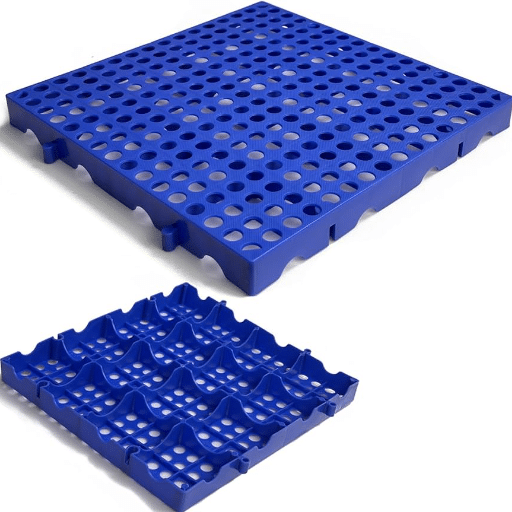
The use of plastic pallets is on the rise in warehouse operations and storage areas because of their long-lasting nature, lightweight structure, and capability of resisting unfavorable conditions. Plastic pallets do not take in moisture as wooden pallets do, consequently, they are the best choice for humid places or for the industry where cleanliness must be guaranteed, e.g., food and pharmaceuticals. As per the latest report, several warehouses are switching to plastic pallets not only for the reason of their longer life but also for being perfectly compatible with automation systems. Plastic pallets are manufactured for easy cooperation with automated storage and retrieval systems (AS/RS), which increases efficiency and cuts operational costs. Besides, they can be stacked and nested, which means better utilization of storage space, which is a essential factor in the modern warehousing industry. E-commerce has grown rapidly and so has the demand for solutions like plastic pallets that can not only improve the workflow but also keep sustainability and hygiene causes.
Plastic Pallet Usage in Worldwide Goods Export
Reliability, durability, and adherence to shipping regulations have made plastic pallets a necessary item in the worldwide export industry. The costliest and the slowest fumigation treatments required to meet ISPM-15 standards are eliminated with the use of plastic pallets, as they are not affected by pests and moisture. Therefore, they are very good for shipping to areas with strict biosecurity measures.
Apart from that, plastic pallets help to save on shipping because they are light but strong enough not to allow the goods’ safe transport. Their ability to withstand different weather and chemical conditions appeals to those companies who engage in long-distance sales across various climates. In the greener industrial practice period, more and more companies are adopting plastic pallets that can be reused and recycled, thus, reducing their environmental footprint while maintaining operational efficiency. The increasing reliance on plastic pallets demonstrates their pivotal role in optimizing the global supply chain.
Recycling and Sustainability Considerations
The recycling of plastic pallets is one of the major components of making supply chain operations more eco-friendly. These pallets can frequently be turned into new pallets or other plastic products, thus, decreasing the need for virgin materials and at the same time reducing waste. Moreover, some plastic pallets are made to be reused for a very long time, hence reducing their environmental impact further. Opting for recyclable plastic pallets makes it easier for companies to adopt environmentally friendly practices, cut down landfill waste, and participate in the circular economy, all while still having logistics that are cost-effective and efficient.
Maintenance and Care for Plastic Pallets

Cleaning and Sanitizing Guidelines
The cleanliness and disinfection of plastic pallets are the only means that can sustain the hygiene level and durability of plastic pallets. To start with, clean off all dirt and debris on the surface with a brush or air blower. After that, use warm water and a mild detergent to wash the pallets and with a thorough scrubbing, clean the areas with hard residues. For disinfection, an appropriate disinfectant solution that complies with the industry’s standards should be used, making sure it is well-distributed over all the surfaces. The pallets should then be rinsed very well so that no chemical residues are left, and they should be air-dried completely before being put to another use. The routine helps to avoid the possibly of contamination, adds life to the pallet, and assures that the hygiene regulations are met.
Storage Tips for Longevity
Proper storage is very important if one wants to be sure that the pallets will still have their strength and other desirable qualities. Pallets should always be placed in the regions that are free from pollution, dry, and have good airflow to avoid the conditions that foster the growth of mold from the buildup of water. Pallets should be stacked in a manner that is even and firm so that there is no leaning or warping, and you can think of having pallet racks if your concern is that of organization and safety. Do not allow pallets to be under the sun or subjected to very high or very low temperatures as these conditions can ruin the material over a period of time. The stored pallets should be checked regularly for any damage or presence of contaminants and the problems should be solved right away in order to avoid further decay. If you work this way, your pallets will last a long time and still be dependable.
Identifying and Managing Moisture Issues
Too much moisture can cause a lot of damage by creating an environment for the growth of molds, degrading the quality of the materials, and even causing the pallets to lose their strength. To spot the moisture issues you will need to keep an eye on the dampness in the storage areas by the sight of condensation or discoloration, as well as the smell of ‘musty’. Also, you can measure the amount of moisture in the pallets and in the environment around them by using a moisture meter. The problems with moisture that have been pinpointed should be dealt with by either enhancing the ventilation, using dehumidifiers, or moving the pallets to a dry and well-ventilated area. Moreover, it is always a good practice to have drainage in the storage area and protect the pallets by applying coatings so that they do not absorb moisture. Those who keep on monitoring and managing moisture the right way will not face any quality and durability issues with their pallets.
Reference Sources
-
Aandipallets: Which Key Industries Use Plastic Pallets & for What Reasons – This source discusses the industries that use plastic pallets and their specific applications.
-
ProStack: Choosing Plastic Pallets for Your Industry & Application – Offers insights into the benefits of plastic pallets and compares different types for various industries.
-
FALM: Understanding the Benefits of Plastic Pallets – Highlights the advantages of plastic pallets, such as resistance to chemicals, moisture, and pests.
Frequently Asked Questions (FAQs)
Are rackable plastic pallets appropriate for warehouse racking systems?
Indeed, rackable plastic pallets are made to be in line with the majority of warehouse racking systems and to offer solid support for piled loads. Intensive plastic design and strength characteristics also contribute to the prevention of bending while being set up on beams or rails. A number of pallet makers provide rackable options listed in their catalogs, as well as offering rackable plastic pallets that are available, and ready to ship. When it comes to high-volume requirements, buying in bulk can be a way to cut costs, and some brands have pooling or rental programs. Call us for a quotation or to check the compatibility with your rack dimensions.
Where can I buy pallets with a quick delivery option?
Authorized plastic pallet manufacturers and distributors that promote stock and ready to ship inventory are the major vendors where you can find pallets for sale. Listings that particularly mention ready to ship or prompt delivery should be your focus; additionally, a bulk pricing option should be checked out if you require large quantities. Many suppliers maintain a website that illustrates their catalog, displaying the sizes, reinforcement alternatives, and whether the pallets can be racked or are stacking plastic pallets. Specialized options like beverage handling or automotive packaging may require you to contact the pallet manufacturer and inquire about the special options. For pricing and lead times, please get in touch with us or request a quote from the brand.
What are the steps to order a custom pallet tailored to extra load requirements?
The process of ordering a custom pallet begins by discussing your load dimensions, weight, and operational requirements with the plastic pallet manufacturer so he can suggest reinforcement and material options. Custom pallet designs may consist of particular deck patterns, drain features, or connection with pallet pool systems, and they may be made from sturdy plastic or polyethylene based on chemical exposure. It is standard that the manufacturer gives a quote, as well as a physical model or CAD drawing prior to the actual production, and to ask about minimum order quantities in case of bulk runs. Lead times can vary, but many pallet manufacturers introduce new products and custom runs with options for swift production. Get in touch with us to start the custom pallet design process and request a catalog or sample.
Are plastic pallets sold in bulk cheaper than individual units?
When you purchase plastic pallets in bulk rather than in small quantities, you will normally get a lower per-unit price due to the efficiencies of scale and the fact that the shipping cost per pallet is less. Numerous brands along with pallet manufacturers, have price discrimination based on quantity in their catalog, stock and ready to ship items for fast delivery on bulk orders, and not just that they. In the case of standard pallet sizes used in beverage, automotive, or industrial packaging, the price difference for bulk purchasing is very significant. It is essential to know whether bulk orders carry the option of stacking or skidding and to inquire about reinforcement or rackable configurations to ensure that they can meet your storage requirements. Ask for a quote to do a pricing comparison between bulk purchases and smaller quantities.
Can a plastic pallet take the place of a skid for heavy machinery?
In many cases, the answer is yes the skid can be replaced with a durable plastic pallet. The replacement has to be done under the condition that the plastic pallet is specified for the load with necessary reinforcement and rackable capabilities. For heavy equipment, pallet manufacturers usually suggest materials like high-density polyethylene and additional reinforcement to avoid deflection during the application of point loads. When replacing skids, keep pallet and load contact points in mind to ensure stable handling and transport. If your racking system permits, you can opt for stackable plastic pallets to have better storage density. Connect with us or the pallet manufacturer to obtain a quote and identify the right standard pallet or custom pallet solution.
What does “48” signify when it is related to pallet size?
The phrase “48” generally denotes a dimension of 48 inches, which is frequently mentioned with a 48×40 standard pallet or a 48×48 container pallet that are much huge sizes in industrial and retail supply chains. It is essential to know the size of the pallet you are looking for as this will help you to check if the pallets available for sale will fit in your racks, containers, or transportation vehicles. A lot of the plastic pallet manufacturers have the common sizes included in their catalogs and provide stock and ready-to-ship inventory for standard pallet dimensions. In case you need a custom pallet size, the manufacturer can either make a design or provide you with a quote for production. When choosing a 48-inch pallet for your applications, make sure that you consider rackability and stackability.