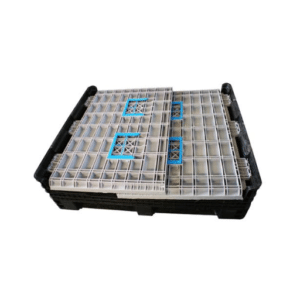
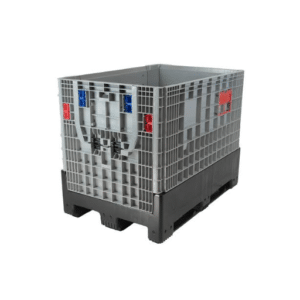
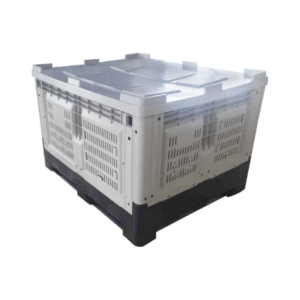
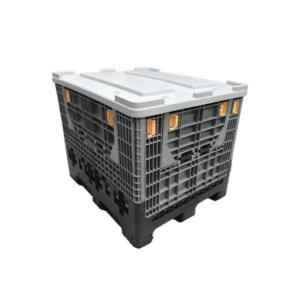
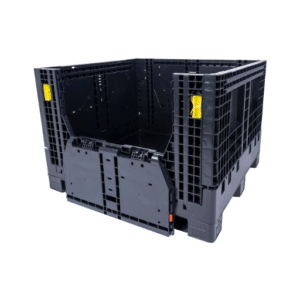
A matter of convenience is not the reason why the right freezer-safe pallets are chosen in cold storage logistics, but it is rather a necessity. Pallets for freezers are made specifically to endure very cold temperatures and thus they keep frozen environments clean, durable, and reliable. The type of pallet you choose can greatly affect your operations’ efficiency, regardless of whether you are dealing with a frozen food supply chain, pharmaceutical storage, or industrial cold storage. The main factors for selecting freezer pallets will be discussed in this guide, as well as the various materials available, analysis, and lastly, you will be helped to make an informed choice that fits your needs. When you finish reading this article, you will know the best freezer-safe pallet options available to improve performance and ensure compliance in cold storage areas.
Understanding Freezer Pallets

Freezer pallets are manufactured to endure and operate under conditions with very low temperatures. Their main use is in the cold storage industry. These pallets are made of materials such as high-density polyethylene (HDPE) or polypropylene, which are known for their non-cracking and non-warping properties even in freezing conditions. The perfect freezer pallet should possess the following features: it should be strong, easy to clean, and it should prevent moisture absorption to keep hygiene levels up. Likewise, the use of ventilated designs is almost a norm in the industry as it aids in making air circulation around products well stored and thus, improves cold storage operations.
What Are Freezer Pallets?
Freezer pallets are very specific kinds of platforms that are meant to maximize the storage, handling, and transporting of goods in areas where the temperature is set below zero, which usually is between -22°F to -40°F -30°C to -40°C. They are built to be sturdy even in very low temperatures, thus making them reliable in such industries as food storage, pharmaceutical, and chemical manufacturing.
Most of the time, these pallets are made of high-tech plastic materials such as high-density polyethylene (HDPE) or polypropylene, which are very strong and do not lose their toughness or are less breakable even in a very cold environment. According to the industry, HDPE pallets can take -40°F without cracking, thus being the normal choice for most of the coolant applications. Their moisture-proof properties also curb the spread of the bacteria; thus, the compliance with the strict hygienic requirements in the cold chain logistics is assured.
Also, many freezer pallets are made with perforated or lattice designs that allow air to flow around the stored goods without any hindrance. Good airflow diminishes the frost build-up on the items and makes sure that the temperature is kept constant, which is crucial for frozen foods and products that are sensitive to temperature changes.
Reports coming from cold chain logistics reveal that the use of pallets designed for freezing in the right way can cut down the product damage by as much as 30% during transport when compared with the use of conventional wooden pallets. Besides, their light weight leads to a decrease in shipping costs while their high load capacities, which can reach up to 5,000 lbs, depending on the design, are still provided. Pallets are strong, reusable, and are very likely to be the ones that are integrated; thus, automated storage systems are implemented, which means the efficiency and sustainability of the cold storage operation will be improved.
Types of Freezer Pallets
Plastic Freezer Pallets
Due to the aforementioned reasons, plastic pallets are the most popular ones in cold storage. They are very light, easy to clean, and can carry big loads, which is why they are quite often used in the food storage industry, where hygiene is very important. Many of these pallets have an anti-slip design to enhance stability even in low-temperature conditions.
Metal Freezer Pallets
Metal pallets that are usually made from aluminum or stainless steel are characterized by the highest strength and durability. They are perfect for the load-heavy industrial freezing applications that need the most substantial support. Although these pallets are pricier than others, their long life span and resistance to extreme conditions make them cost-effective in the long run.
Composite Freezer Pallets
Composite pallets are made by combining different materials such as wood, plastic, and resin to produce a hybrid solution. These pallets are tougher and have higher thermal resistance, thus being located between the light wooden pallets and the more advanced plastic or metal options. They are often found in industries where the performance of the material and cost-effectiveness matter equally.
Benefits of Using Plastic Freezer Pallets

Plastic freezer pallets present a variety of benefits that suit the needs of industries facing very strict cold-chain conditions. Their first advantage comes from the fact that they are able to withstand very low temperatures without losing their stability and functionality. This has been the case in freezing environments that are common in food storage or pharmaceutical industries. Another important characteristic is that plastic pallets, unlike their wooden counterparts, do not absorb moisture, thus eliminating one source of contamination and making them very hygienic for the strictest industries like the FDA or HACCP, which depend on compliance with such standards.
Also, plastic freezer pallets are remarkably strong and have excellent durability as they can survive being used over and over again and are still strong enough not to crack or deteriorate. Besides, their low weight and at the same time high strength make it possible for handling to be done more efficiently and transport costs to be reduced. Furthermore, they are not affected by pest infestation, mold, or bacteria, which are the main causes of damage that can also be experienced with wooden pallets. In addition, the fact that a majority of the plastic pallets are recyclable helps in achieving sustainability and maintaining cost-effectiveness in the long run.
Last but not least, the pallets can be used with automated systems like conveyor belts or robotic handling, which increases the operational precision and speed. The very uniform design paired with the highly accurate manufacturing contributes to reliability even in unexpected situations, thus making us the preferred choice of the industries that demand nothing less than perfect performance in cold conditions.
Types of Plastic Freezer Pallets
HDPE (High-Density Polyethylene) Pallets
These pallets are the best choice for freezer places thanks to their incredible resistance to impact and the fact that they would not crack even at low temperatures.
Reinforced Plastic Pallets
Pallets like this, made of reinforced plastic that come with extra materials like fiberglass or steel reinforcements, provide great power and durability for heavy loads even in freezing conditions.
Rackable Freezer Pallets
Pallets of this type are designed to be used in racking systems and provide stable support for stacking goods, as well as optimizing the vertical storage capabilities of cold storage facilities.
Nestable Plastic Pallets
Easy-to-handle and taking up little space, these pallets are the best solution for use in freezers when the focus is on easy storage and transport.
Standard Plastic Freezer Pallets
Standard plastic freezer pallets are very strong and specially built to withstand freezing conditions that are in the range of -30°F to 120°F. These pallets are made of either high-density polyethylene (HDPE) or polypropylene (PP) materials that give the pallets the advantage of being durable, moisture-resistant, and compliant with FDA regulations concerning food safety. Their uniform design minimizes the chances of splinters or contamination, thus making them suitable for very strict hygiene practices in cold storage facilities. Moreover, these pallets can endure extreme conditions without cracking or warping, thus guaranteeing their reliability for a long time. The most common uses for these pallets are in frozen food production, pharmaceutical storage, and any other industry that needs a constant performance in sub-zero environments. More sophisticated models may be equipped with anti-slip surfaces or reinforcements for extra stability during racking or handling processes.
Rackable Pallets for Freezer Use
Pallets that can be racked in freezer conditions are designed and manufactured to enforce high performance and, at the same time, preserve their structural properties when subjected to very harsh conditions. The materials for making these pallets include mainly high-density polyethylene (HDPE) and polypropylene. These two materials are durable and can resist industrial freezer temperature variations, which could be as low as -20°F to -40°F.
An analysis of the recent trends in the industry revealed that the rackable pallets that have been expressly designed for freezer applications can hold up to a weight of 2,500 lbs when racked, thereby storing heavy goods safely in vertical systems. The anti-slip surfaces are one of the features that are very commonly found in these designs, which are also very helpful in providing grip and reducing the chances of unintentional movements during the operation, especially when the surfaces are icy or wet. On the other hand, their sleek surfaces and the absence of joints in their design guarantee that they fully comply with the hygiene standards; hence, they are ideal for such places where cleanliness is highly maintained, like the storage of food or pharmaceuticals.
The contemporary freezer pallet market also points towards eco-friendliness as many manufacturers offer such products that are either recyclable or reusable, and through these, it is possible to cut down the environmental footprint without any performance compromise. The use of reinforced ribbing or double-wall construction is among the innovations that further improve the ability of the product to withstand the challenges of repeated handling and long usage in the cold store. Thus, they facilitate the movement of goods and are safe. The advanced tracing tools like RFID tagging are being more and more widely used for monitoring stocks with great ease in the cold-storage warehouses. All these features, along with others, make the rackable pallets the most important assets in sectors that demand accuracy and dependability in the freezing atmosphere.
Specialized Freezer Safe Pallets
Innovative design and materials have led to the development of specialized pallets for freezer storage that have changed the game in cold chain logistics and frozen food areas. These pallets are made to the highest standards of using either HDPE or new resin compounds, resulting in very strong and temperature-resistant products that can withstand temperatures between -40°F and -70°F. Besides that, the pallets come with non-slip surfaces, which help them stay securely stacked while gradually thinning out the possibility of load shifting at low temperatures.
Cold storage market reports indicate the global cold chain market will be greater than $400 billion in 2028, which clearly signals the rising demand for efficient and high-performance pallets, along with other good cold storage methods. The use of freezer-safe pallets has been along the lines of and maintains the legal standards for ISO 23928 for hygiene and EN 13626 for mechanical performance sectors that require such standards, particularly pharmaceuticals and frozen consumer goods. In addition to that, a focus on sustainability has come up with many freezer-safe pallets being either completely recyclable or made with 40% or more recycled material, thus supporting the company’s sustainability objectives.
The ultra-modern pallets are created in such a manner that they can easily work in sync with automation systems, and they also exhibit very good dimensional stability, thus supporting AGVs and conveyor systems operating in sub-zero conditions non-stop. Data from recent industry implementations suggests that companies utilizing these advanced pallets in automated cold storage systems report up to 30% improvements in handling efficiency and reduced operational downtime. These innovations have made it possible for specialized freezer-safe pallets to remain the most effective tool for optimizing the cold chain logistics networks.
Choosing the Right Freezer Safe Pallet

Choosing a freezer-safe pallet, first of all, the materials and designs that can deal with extreme cold without cracking or becoming brittle should be your main concern. One of the most recommended materials is high-density polyethylene (HDPE), which is resistant to cold and therefore its usage under zero temperatures is very common. When you are purchasing a pallet, make sure it will work well with the automated systems, like conveyor belts or AGVs, as it will keep the operations smooth. Look for the products with the reinforced structure that is going to support heavy loads, and choose the ones with the least moisture absorption so that no ice will form. Before you buy, make sure the pallet is approved by the industry standards for cold storage applications, which will thus guarantee its reliability and compliance.
Factors to Consider When Selecting a Freezer Safe Pallet
Material CompositionGo for pallets that are prepared from high-density polyethylene (HDPE) or similar durable plastics that have been specially developed for very cold environments. These materials will not crack or become brittle even at -40°F, so they can be used in freezers. Wooden pallets are not good because they absorb water and eventually disintegrate when the environment is frozen.
Load Capacity and Structural IntegritySelect pallets that have a reinforced structure that can withstand heavy static and dynamic loads that are usual in cold storage plants. Make sure the design has ribbing that is strong and durable under pressure, particularly if there are high-density stacking systems.
Compatibility with Automation SystemsTo achieve the best possible efficiency, check that the pallet design can work with automated handling machinery such as conveyor belts, robotic palletizers, or automated guided vehicles (AGVs). This compatibility will not only cut down on the chances of interruptions in operations but also help in the smooth system integration.
Moisture ResistanceThe surface of pallets must be non-porous so that moisture absorption and ice buildup do not occur, which may affect their functionality and safety. The good thing is that there are already some Designs with smooth, easy-to-clean surfaces that can be used to maintain hygiene in temperature-controlled environments.
Industry ComplianceMake sure that the chosen pallets meet industry standards, such as the FDA recommendations for food-grade storage, and ISO specifications for pallet sizes. In this way, safety, compatibility, and compliance with legal requirements will be for different sectors, like, for example, food and pharmaceuticals.
Comparing Plastic Pallets vs. Wooden Pallets
| Feature | Plastic Pallets | Wooden Pallets |
|---|---|---|
| Durability | Incredibly durable, impervious to moisture, resistant to chemicals and pests, appropriate for long-term use and clean environments | Less durable, prone to splintering, moisture damage, and infestation over time, though initially more cost-effective |
| Hygiene | Non-porous and easily cleaned, meets strict hygiene requirements for food and pharmaceutical industries | Porous, capable of absorbing liquids and harboring bacteria, major reasons for contamination in sensitive applications |
| Cost | Higher upfront cost, but longer lifespan and minimal maintenance makes them more cost-effective long-term | Usually less expensive upfront, but shorter lifespan and higher maintenance costs might make them more costly in the long run |
| Weight | Generally lighter, cutting down on shipping costs and reducing strain of manual handling | Heavier, which might lead to higher logistical costs in certain applications |
| Sustainability | Frequently recyclable and can be created from recycled materials, helping in conserving the environment | Biodegradable, but often require repairs to be reused, and disposal can lead to waste if not done properly |
| Load Capacity | Gradually gaining in strength owing to advanced manufacturing technologies, but still a bit less robust for static load-bearing | Historically able to carry higher static loads, used for heavy goods |
| Applications | Industries where hygiene, durability, and compliance are very important | Shipping sector and industries where cost factor is major |
Recommended Features for Freezer Pallets
Prioritizing durability, hygiene, and performance in cold storage environments is an absolute must when selecting freezer pallets. The following are the most important recommendations you should consider:
- Material Composition: Go for pallets made out of high-density polyethylene (HDPE) or other tough plastic materials since they can withstand cracking and becoming brittle at freezing temperatures, in contrast to some wood materials, which may take up moisture and thus become weak in the long run.
- Temperature Resistance: Make sure the pallets will take -20°F and lower without giving up their structural integrity.
- Hygienic Properties: Choose pallets with a smooth, non-porous surface, which will not absorb moisture and will not be favorable for bacterial growth, as their use is most critical in food and pharmaceutical storage.
- Load-Bearing Capacity: Smartly choose pallets, which are manufactured to bear an extreme cold environment and keep the static and dynamic load capacities as high as possible. The load capacities being maintained will automatically increase the safety and reliability of the operations during such cold environments.
- Ease of Cleaning: Pallets should be selected with effective cleaning surfaces and a minimalistic design that does not contain crevices where contaminants can accumulate.
- Non-Slip Surface: It is important to have a textured or anti-slip top deck on which these products are placed and moved around, as well as for storage, in low-temperature settings, to ensure there will not be any case of the items being stacked that are not stable.
Pallets with these properties will be able to perform well in different industries, and they will definitely be able to meet the tough operation and hygiene standards.
Best Practices for Storing with Freezer Pallets

Storage Best Practices
Organize by Temperature Zones: Products should be arranged and stored based on their specific temperature requirements to ensure that the quality and safety standards are met.
Inspect Pallets Regularly: Regularly inspect pallets in the freezer for any cracks, damage, or contaminants, as these could lead to a compromise of the structural integrity or hygiene.
Avoid Overloading: Always observe the pallet stack’s weight limit to avoid the risk of structural failure and ensure safe stacking.
Maintain Proper Airflow: Position pallets in a way that allows enough airflow around the products that are stored, which in turn helps to keep the temperature uniformly distributed within the freezer.
Prioritize Cleanliness: The routine cleaning of pallets will help to reduce the risk of contamination, especially in food and pharmaceutical storage areas. The use of non-corrosive cleaning chemicals that can work effectively at low temperatures is recommended.
By doing these, your freezer pallet will not only be used in an effective manner, but also the lifespan of that pallet will be maximized, along with the operational safety standards being maintained.
How to Optimize Space with Rackable Freezer Pallets
Rackable freezer pallets are of utmost importance in cold storage areas, especially in the food industry, pharmaceuticals, and manufacturing, when it comes to storing the goods in an efficient manner. Using these pallets correctly means that accurate tactics and the basic concepts of space usage have to be understood very well.
Utilization of Vertical Space
According to research, vertical storage systems can improve a warehouse’s efficiency by as much as 40%. Rackable freezer pallets are made for stacking and high-rack shelving, thus allowing every single cubic foot of storage space to be utilized by cold storage facilities. Just make sure that the racks can take the weight and check that they are aligned with the pallet dimensions for safety and stability.
Pallets of Standard Size
Using the same kind, size, and type of pallets for the whole facility allows simple and quick configurations of the racking and more efficient operation of automated systems like conveyance belts and robotic pickers. It is recommended that the dimensions of 48″x40″, which is commonly used in North America, be employed due to their broad adaptability and capability to maximize rack capacity.
Narrow Aisle Layouts
The change from traditional aisle configurations to narrow aisle setups can result in the recovery of 15%-20% of space. This procedure is more effective when co-existing with a combination of high-quality rackable freezer pallets and forklift systems that are designed to operate precisely in the limited space.
Correct Load Distribution
Rackable pallets are built for uniformity and load stability. Make use of the technical data sheet showing the maximum static and dynamic load capacities to prevent rack damage or pallet deformation. For instance, a medium-duty rackable freezer pallet is usually capable of handling a dynamic load of, say, 2,500 lbs, and a static load up to 5,000 lbs.
Automation Integrations
Several of today’s warehousing facilities are installing automated storage and retrieval systems (AS/RS) as part of their modernization efforts. Use of rackable freezer pallets that are compatible with automation technologies leads to a tighter storage density, fast retrieval speeds, and reduced human error, thus significantly increasing spatial efficiency.
Storage Zone
Designate storage zones based on product turnover and usage frequency. Move fast-selling items to the front for easy access, and keep slow-moving ones in higher or less-accessible racks. Rackable freezer pallets provide easier management and tracing of items through their compatibility with RFID tags and barcoding systems.
Pallets That Are Durable, Space-Saving
Freezer pallets with features such as anti-slip surfaces, reinforced structures, and resistance to extreme temperatures are vital to keep space optimization. Usage of high-density polyethylene (HDPE) as an advanced material leads to longer pallet lifecycles even under heavy load and harsh conditions.
Implementation of these strategies in a correct way guarantees that cold storage facilities not only make the most of their available space but also keep their operations running smoothly, cut costs, and preserve the quality of the goods being stored.
Maintaining the Integrity of Plastic Freezer Pallets

Maintenance Guidelines
The preservation of plastic freezer pallets is an uphill task; there is no other way than to strictly observe the best practices of handling, storage, and sanitation. First of all, pallets have to be checked regularly for every fault, like cracks, warping, or wear due to heavy loads or extreme temperature changes, as these are the factors that might break their structural integrity. Furthermore, store the pallets in accordance with the material specifications by avoiding UV exposure for a longer time and keeping them within operational temperature ranges.
Moreover, the right sanitation is necessary to prevent contamination in cold-storage environments. Approved, non-abrasive cleaning methods should be applied to Pallets, which would not only clean away dirt, bacteria, and ice but would also protect the surface. The high-density materials, such as HDPE, are non-porous, so they will not absorb moisture, therefore, not allowing microbes to grow, but regular maintenance will not only be the cause of their longevity. Thus, treating the issue in a combined way, the facilities will be able to prolong the life span and increase the performance of plastic freezer pallets even in the most demanding conditions.
Safety Considerations in Freezer Pallet Use
Pallets for the freezer must consider several safety issues that are necessary for compliance and efficiency in operations. First of all, it is important to check that the pallets can withstand extreme temperatures, usually in the range of -22°F to 140°F, to avoid any structural collapse. Low-cost or improper pallets might become fragile in extremely cold conditions, thus increasing more chances of breaking and accidents in the area.
Secondly, weight distribution is a very important factor in safety matters. Make sure the loading of pallets is done evenly so that the balance is kept, and also that there is no tipping occurring during stacking or moving about. When the manufacturer’s specified maximum load capacity is exceeded, the pallet will be under more stress than designed for, thus leading to the potential collapse and product loss.
Furthermore, regular inspections for signs of damage, such as cracks or deformations, are necessary. Even the smallest defects can weaken the structure of the pallet, especially during freezing conditions when materials are more likely to fracture. It’s better to deal with the problem of unsafe pallets by removing them from circulation quickly.
Finally, during the operation of forklifts, proper handling techniques must be highlighted. The fork prongs should be aligned with the pallet very carefully to avoid impact and thus prevent the pallet from getting stressed. Proper training for the employees concerning the right usage and safe handling procedures is key to ensuring that there is a secure working environment in the freezer facilities.
Maintenance and Care for Freezer Pallets
For the purpose of having freezer pallets last longer and being safe, they must undergo regular inspections and cleaning. Pallets should be checked often for any sign of damage, like cracks, deformation, or weak materials. A damaged pallet must be isolated from the others and discarded immediately to avoid accidents. Cleaning should be done with non-corrosive solutions to prevent material degradation from chemical exposure. Let the pallets dry completely after cleaning to avoid ice accumulation that can freeze the device and make it function poorly. The implementation of regular maintenance will keep the pallet’s integrity and safety high in the freezer areas.
Cleaning and Sanitizing Plastic Freezer Pallets
Here are the steps to clean and sanitize plastic freezer pallets, including cleaning and sanitizing protocols with the proper measures. First is the pressure washer or a safe water spray system, with which you can easily remove the debris and loose contaminants. A non-abrasive cleaning agent that is specifically for plastic materials should be used, so as not to damage the surface. For effective sanitization, apply disinfectants approved for food-grade environments, particularly if pallets will be used in industries where hygiene is critical, such as food storage. Make sure to rinse all chemicals used for cleaning and disinfecting thoroughly so that there is no residue left that might cause a reaction with the goods stored.
The pallets must be dried completely in an area with controlled temperature to prevent moisture retention, which, during freezer conditions, can cause ice accumulation. During the cleaning process, regularly check the pallets for any cracks, wear, or structural weaknesses, and replace any units that are damaged to ensure operational safety. By maintaining such rigorous standards, the process not only guarantees compliance with health regulations but also keeps pallet functionality at its peak and prolongs their life even in harsh environments.
Storage Tips for Maintaining Freezer Pallet Integrity
In order to keep the freezer pallet intact, I always put the pallets in a clean and dry place so as not to have problems caused by moisture, like the formation of ice. I check each pallet very carefully for any type of damage – cracks or weak structure – and throw away the ones that are not safe anymore. Sticking to these practices all the time, I not only satisfy the safety and health regulations but also make the life and the performance of the pallets in the harsh conditions of freezing more durable and efficient.
Common Issues and Troubleshooting
Handling of pallets in cold storage areas is often associated with a variety of issues. For example, one of these problems is ice accumulation on pallets. The accumulation of ice on pallets is usually caused by a lack of proper temperature control or high moisture levels. To clear this problem, you should control the temperature in the freezer to be consistent and also dry the pallets before using them. Moreover, if the freezer systems are regularly defrosted, it will also help in controlling the moisture that ultimately leads to ice buildup.
Ice Accumulation on Pallets
Cause: Lack of proper temperature control or high moisture levels
Solution: Control the temperature in the freezer to be consistent and dry the pallets before using them. Regular defrosting of freezer systems will help control moisture that leads to ice buildup.
Physical Impairment of Pallets
Cause: Low-temperature environment makes material lose flexibility, leading to cracking and splitting
Solution: Carry out inspections on pallets regularly to catch damage early, and use high-quality cold-resistant materials like plastic or treated wood. Replace damaged pallets without delay to guarantee safety.
Loss of Traction on Pallets
Cause: Frost or condensation making pallets slippery
Solution: Use pallets that have non-slip surfaces or add anti-slip materials on the surface of pallets to improve grip. Proper handling can prevent accidents during transport of pallets in cold storage areas.
Reference Sources
Frequently Asked Questions (FAQs)
What are freezer-safe pallets and their benefits?
Freezer-safe pallets are pallets used in cold storage and specifically designed for such environments. They are made from materials that can endure the cold without breaking or getting damaged. The cold pallets help denote the process of transporting and storage of the product that needs a certain temperature, thus keeping them safe and secure through the shipping and storage process.
How do I choose the right pallet for freezer storage?
While selecting the appropriate pallet for freezer storage, it is important to take into account the material, load capacity, and temperature tolerance as well. Heavy-duty plastic pallets, such as the ones provided by the Nelson Company, are usually the best decision because they are able to endure the extremely cold environment without losing their structural integrity. Also, it is advised to search for pallets labeled as freezer grade or freezer safe, since that means they have met the required standards.
What materials are used in manufacturing freezer pallets?
The material commonly used for making freezer pallets is high-density polyethylene (HDPE) plastic, which is recognized for its strength and ability to resist low temperatures. This type of material can perform well in freezer conditions, making it so that the pallets don’t break or change their shape. Other pallets could also contain ice additives to improve their performance in cold environments.
Can I use plastic freezer pallets for shipping nationwide?
Plastic freezer pallets can be shipped across the nation. They are built for strength and can be transported from stock points all over the country. While using these pallets for transportation, be sure to review their features to make sure they comply with the norms for moving your unit loads safely.
What is the importance of packaging and shipping pallets?
The role of packaging and shipping pallets in the logistics processes of goods transfer is very important. They support the stacking and storing of products, providing a stable base that makes it easy to handle and move items efficiently. The use of the right pallets, especially the freezer ones, ensures that the goods remain secure and are not damaged during transit or storage.
How can I browse these pallets matching my search for freezer-safe options?
To browse the pallets that fit your search for freezer-safe options, head over to the online suppliers or manufacturers dealing with freezer pallets. A lot of websites have the option to filter products, where you can specifically look for either freezer-grade or freezer-safe pallets. This feature helps you quickly locate the exact pallet that satisfies your requirement.
What are rackable pallets, and how do they work in freezer storage?
Rackable pallets can be used for packing in racking systems designed for the warehouse, thus allowing an efficient use of vertical space. The pallets used in freezer storage must lift and hold up the products while still being in their cold temperature survival range. Thus, the selection of the right rackable pallets will guarantee that you have not only stored the goods in safe conditions but you have also made the most out of the storage capacity.
Do freezer pallets require special maintenance?
The routine of pallet maintenance for the freezer variety is considered to be very light; however, it is important to evident the signs of wear or damage regularly. Keeping them clean and free of contamination, especially in food storage, is a must. The wear and tear monitoring will allow you to keep their strength and also ensure good performance in storing or transporting your unit loads.