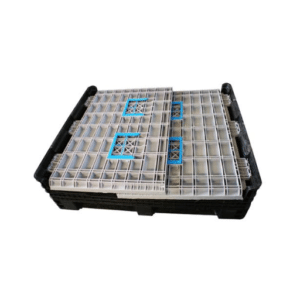
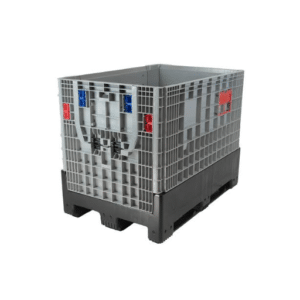
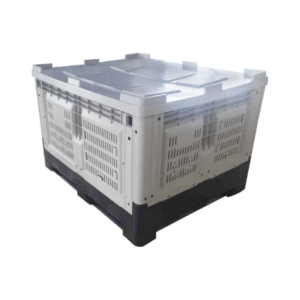
Overview of Pallet Types

In logistics and supply chain operations, there are two main options for loading pallets: wooden and plastic. Preference for wooden pallets arises from their universal availability, lower initial cost, and ease of repair. Generally, these pallets may be fabricated from recycled timber or timber from sustainable sources, with the implication that the material is renewable. Plastic pallets offer great value in terms of durability, resistance to environmental conditions such as moisture and chemical interference, and uniform dispensing–ideal for automated systems. Either has its own set of advantages depending on the application, shipping necessities, and sustainability considerations.
What are Single-Use Pallets?
Single-use pallets are also known as disposable pallets or one-way pallets because they complete one transport cycle, and the returned service is never expected. Most preferably, they serve export shipments because of their relative cheapness and their observance of international shipping regulations such as ISPM-15 through heat treatment or fumigation against pest infestation.
Single-use pallets are engineered to keep the weight and costs low and are hence made of materials like lightweight woods, compressed wood fibers, or even cardboard. Industry statistics show that a single-use wooden pallet may range anywhere from 10 to 20 pounds, depending on its dimensions and the types of materials used in its construction, thus making it more convenient to handle and ship. Finally, many single-use pallets are developed from recyclable or biodegradable materials, fulfilling the sustainability goal.
Single-time use pallets, to be economical in design, provide a load capacity for most cargoes ranging in weight from light to medium-weight shipments of about 2,200 pounds. Being less sturdy as compared to the reusable ones, they are not ideal for long-term use or multiple transport cycles. The need for these pallets to be low-cost and functional makes them one of the major pillars in the global supply chain, especially for sectors that consider cost efficiency and expedited operations in transport logistics.
Understanding Reusable Pallets
Reusable pallets are meant for durability and repeated uses-the greener solution for those industries that pay attention to long-term cost efficiency and environmental friendliness. Reusable pallets, built from materials such as HDPE, polypropylene, or sturdy wood, can withstand several transit operations while maintaining integrity. They usually bear loads heavier than single-use pallets, some of them even more than 3,000 pounds.
Reducing the production of waste is one of the principal advantages of reusable pallets in the chain of supply. Recent industry analyses in the western world have cited considerable drops in overall shipping and warehousing costs, by 20% up to the maximum of 30%, for reusable-based pallet systems usually considered by manufacturer and the transportation industry in a closed-loop supply chain over their single-use counterparts. Life-cycle analysis further confirms that, due to fewer demands for the craft and fewer rates of disposal, reusable pallets have much less carbon emissions compared to their non-reusable siblings. The automotive, electronics, and pharmaceutical industries have proffered reusable pallets for their sturdy nature and for the fulfillment of sustainability objectives.
On account of a gradual transformation toward circular supply chain models, the significance of reusability in pallet design has only increased. Today, RFID tags and barcodes are integrated into most pallet designs for real-time tracking and inventory management. These technologies foster efficiency in operations and foster the accountability and transparency of the logistics chain as a whole.
Comparing Wood Pallets and Other Materials
When it comes to wood pallets as opposed to plastic, metal, or cardboard, the critical considerations used to evaluate the choice would be cost, durability, environmental friendliness, and suitability for certain applications.
1. Cost
Cost-wise, wood pallets are the most attractive option, generally less expensive than plastic or metal types. Yet the shorter lifespan of wood pallets makes their replacement liable to incur an extra cost after some time.
2. Durability
Wood pallets are strong and bear heavy loads; however, they’re sometimes more vulnerable to damage, warping, and getting splintered when placed under adverse treatment in plastic or metal. Plastic pallets resist moisture and hence corrosion; ideal in scenarios where hygiene is a criterion, which may otherwise involve exposure to liquids. Metal pallets offer strength in spots where it matters so much that the weight rarely qualifies as a disadvantage.
3. Environmental Impact
When sourced from certified forests, wood pallets are sustainable and usually recyclable or even reusable, hence producing less environmental waste. Conversely, plastic pallets, despite being reusable, are problematic at end-of-life disposal owing to the few recycling schemes that accept non-biodegradable plastic. Metal pallets are recyclable, but their production is resource-heavy, as opposed to wood. This means that they have a higher carbon footprint.
4. Specific Applications
Wood pallets, due to their versatility and availability, find wide usage across many industries. Plastic pallets find use in such industries where hygienic conditions are needed, including pharmaceuticals or food and beverage. Metal pallets find use in heavy-duty or specialized applications where extra strength is required, such as for military or chemical transport.
Some optimal pallet material depends heavily on application requirements, budget considerations, and the lifecycle. Through these trade-offs, businesses can choose their solutions in accordance with their logistical and environmental goals.
Environmental Impact of Pallet Use

Effects on the environment abound when it comes to pallets: the major ones are raw material sourcing, production, transportation, and end-of-life disposal. Wooden pallets are the most common and can cause deforestation if not sourced sustainably; however, they are biodegradable and recyclable. Plastic pallets, in their turn, offer the benefit of being longer-lasting than wooden ones, but being petroleum-based means the dilemma about continuous consumption of fossil fuel and resulting accumulation of waste if they are not recycled properly. Metal ones are sturdy and highly recyclable; however, the energy requirements of their production are high. To lessen these effects, companies would adopt various sustainable options: for one, use pallets made from recycled materials; another, employ repair and reuse options for pallet disposal; and another, end-of-life recycling to minimize waste.
Waste Generation from Disposable Pallets
Disposable pallets, mainly made from materials intended for single use, such as cheap wood and plastic, are also responsible for waste generation. Such pallets are cast away after one or two uses, thereby piling lots of rubbish in landfills. Although wood-based disposable pallets are biodegradable, they can still cause some environmental problems if disposed of unfit-for-purpose manner, contaminating the soil, or being chemically treated. Plastic pallets, on the other hand, lose the advantages of being biodegradable and will pose long-term environmental threats since they will linger there forever. The main contributors to solid waste are the absence of standard processes for recycling and the inefficiencies in recovery practices. Intending to find solutions to this problem, the industry should focus on improving collection and recycling infrastructures, preferably using biodegradable materials, and employing circular economic approaches toward minimizing the environmental impact of disposable pallets.
Sustainability of Reusable Pallets
Longer in lifespan, release fewer wastes, and accommodate circular economy processes, reusable pallets are sustainable alternatives to disposable pallets. According to prominent sources, reusable pallets are generally made from sturdy materials, such as wood, metal, or plastic; this strength allows them to be placed into service numerous times before requiring any kind of maintenance or repairs. This extended lifespan, therefore, immensely reduces the need for constant manufacture, which means saving on raw materials and environmental degradation. Additionally, reusable pallets help cut down on costs throughout supply chains as they eliminate the repeated payment for single-use options. In order to strengthen their sustainable value, organizations should implement pallet pooling, where pallets are shared, returned, and refurbished in a closed-loop operational environment. Emphasizing reusable pallets offers an excellent opportunity for industries to lower their contributions to landfill sites, increase resource utilization, and uphold worldwide sustainability efforts.
Life Cycle Assessment of Pallet Options
In a life cycle study of pallet options, one typically considers the impacts throughout the entire life span of the pallet: raw material sourcing, manufacturing, transportation, usage, and management of end of life. Wood pallets are generally seen as more environmentally friendly concerning biodegradability and renewable material sourcing, although these could be limited depending on the durability of the wood. Plastic pallets, on the other hand, are made from inherently non-biodegradable polymers and stand for a longer life span, given their great durability and resistance to wear. This layer of security, however, makes their very existence bad, in a way, for carbon expenses and mostly from fossil fuels.
It has been regularly demonstrated by studies that the environmental impacts of pallets can be mitigated by employing closed-loop approaches, including pallet pooling, where wooden and plastic pallets are kept in circulation, shared among parties, refurbished, recycled, etc. LCAs also show that the number of reuse cycles is important for the sustainability of the pallet; plastic pallets, for example, become environmentally favorable with heavy reuse over time. Also, energy recovery and recycling minimize the ecological footprint on both materials during the end-of-life phase.
Hence, the decision between wooden and plastic pallets should be based on the operational considerations and regional recycling set-up, along with the feasibility of implementing green alternatives like reuse and refurbishment. An LCA-based systematic approach permits companies to better align pallet decisions in terms of good economic outcome and good environmental stewardship.
The Role of Pallets in the Circular Economy

Pallets are the key asset set in the circular economy by way of being reusable and repairable assets that prevent the domination of short-life choices. For instance, wooden pallets can be repaired a thousand times. On the other hand, they are then recycled into other useful products such as particleboard or bioenergy. Plastic pallets are considered the more durable of the two, as the majority can be recycled fully at the end of their lifespan. Proper pallet pooling schemes also widen the scope of circularity with pallets that are shared and reused by many users, so that the least waste is produced. By focusing on maintenance, reuse, and recycling, companies can turn pallets into a closed-loop system, thereby minimizing their environmental footprint and maximizing operational efficiencies.
Defining the Circular Economy
A system of economics that seeks to eliminate waste and achieve the continuous utilization of resources is called a circular economy. The circular economy endeavors to uphold three main doctrines: to design out waste and pollution, to keep products and materials in use, and to regenerate natural systems. Whereas the linear, classic economy model follows a take-make-dispose format, the circular economy promotes resource efficiency through the reuse, repair, refurbish, and recycling of materials to maintain a closed-loop system. Hence, it considerably diminishes environmental impacts while encouraging innovation, lowering production costs, and enhancing sustainability since it ensures that resources reach the highest level of utilization.
How Reusable Pallets Fit into a Circular Model
The circular economy discoloration emphasizes reusable pallets by minimizing waste and promoting resource efficiency in all industries. Unlike single-use pallets that are disposed of after limited applications, reusable ones are meant for many cycles of use; this, in turn, greatly reduces the raw material consumption. Depending on the requirement, these pallets can also be repaired and refurbished so as to enlarge their life span, which aligns them with the working principles of the closed-loop circular economy. At the conclusion of their working life, reusable pallets are often machines in recycling facilities with high priority for waste reduction and material recovery.
From an industry perspective, pallet procurement and disposal costs are all reduced, thereby decreasing the environmental footprint of a product. Reusable pallets are an example of sustainability-focused innovation as they improve supply chain logistics and reduce dependence on disposable materials. Their durability and standardization make them highly efficient to use, pointing to a very key instance of circular model incubation in the modern-day supply chain.
Case Studies on Pallet Reuse
Case Study 1: Retail Industry Applications
An international retail chain used a reusable pallet system to improve supply chain efficiency and make a positive environmental impact. The shift from using single-use wooden pallets to durable plastic pallets resulted in a 30% reduction in pallet-related costs over five years. Also, since reusable pallets come in standardized dimensions, stacking in warehouses became more efficient, and damage during transport was reduced. Closed-loop logistics of the pallet system enabled pallets to be regularly collected and reused, supporting the sustainability goals of the organization.
Case Study 2: Manufacturing Sector Example
One of the prominent automotive companies adopted a pallet pooling system to render its component distribution network more efficient. The high-strength pallets were reusable and did away with disposable packaging, pursuant to which the overall waste production in the supply chain dropped by 25%. The use of intelligent tracking technology in pallet systems allowed real-time monitoring, influencing the optimization of distribution routes and bringing down the emission levels during transportation. The initiative further enhanced operational efficiency and, subsequently, contributed to the company’s objectives of zero waste to landfill.
Case Study 3: Food and Beverage Supply Chains
When pallets are reused for the shipment of goods, the beverage production company entrusts the third-party pool with doing so. It avoided the continuous purchase of pallets and upheld rigid hygiene regulations that are a must in the food industry. Over six years, logistics costs fell by 18% and their carbon footprint greatly shrank during this period. Resistance to the enduring efficiency of the pooling decreased market pressure on quality and safety.
All these case studies highlight and show the big environmental and bulk savings that come with choosing a reusable pallet system as a key tool toward sustainable supply chain practices.
Transportation and Packaging Considerations
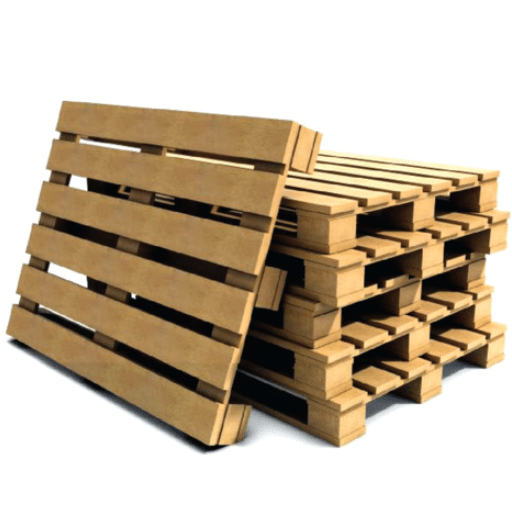
In transportation and packaging, the planning is done with product integrity, cost minimization, and environmental safety under consideration. Reusable pallets are one of the examples of how these goals are best served. The design enhances the stability of the load, thus preventing damage to the product during handling and transportation. However, reusable pallets and containers are less likely to be damaged or broken, which results in fewer pallets being discarded into landfills, conserving landfill space and saving costs. From the environmental perspective, the reusable system will reject less landfill waste than its disposable alternative, which all pays to make supply chain operations greener. Optimization of space inside a transport vehicle is another factor of efficiency brought by standardized pallet sizes. With all these taken together, reusable pallet systems stand as a better option for modern logistics needs.
Choosing the Right Pallet for Shipping
Choosing a given pallet for shipping depends on many factors and whether it bears emphasis on efficiency or on cost. First, think about what kind of material these pallets could be made from: wood, plastic, or metal. Wooden ones are quite common as they are inexpensive and recyclable; however, they tend to be easily damaged and must be treated for international shipment. Plastic pallets are durable and lightweight, offering good resistance to moisture, which makes them preferable for the food and pharmaceutical industries where hygiene is crucial, but they do carry a higher upfront cost. Metal pallets would be best where strength is an all-important factor: heavy loads or special applications, though these, too, carry a high purchasing price and are heavy in nature.
The size of the pallet must be determined according to the standard requirements of the shipping region. For instance, in North America, the commonly used size of a pallet is 48″×40″ because this fits the standards of truck dimensions and container dimensions quite well enough to optimize costs and space.
Finally, ascertain the maximum load it can carry in conjunction with your inventory and handling system. That is, a pallet being singular while its strength supports the weight of the goods being transported, whereas a forklift or pallet jack is required by the handling system. Selecting a pallet that suits your operational needs while lessening compromising logistics cost and impact on the environment is made possible with the assessment of these factors.
Durability and Efficiency of Reusable Pallets
Because reusable pallets are made to be used over and over for long time periods, such a pallet would certainly be the most cost-effective and environmentally sustainable choice for the supply chain operations. Since they have the best protection against various stresses, including heavy loads and impacts from weather, such as moisture, to extremes of temperature, they must be made from extremely durable materials such as high-density polyethylene, metal, or various composites. Such heavy-duty treatment lengthens the service life of the pallet, saving more in his investment because replacements do not need to occur often.
Up until just recently, the sought-after characteristic of any pallet is its operational efficiency. Their standard dimensions make them fully compatible with automated and palletized warehousing and transport systems. Some reusable pallets are purposely designed with reinforced edges, anti-slip surface treatments, or stackables to maximize storage space and minimize damage to goods. They are lighter, making them inexpensive to ship and easier to handle in some respects when compared to wooden ones.
Having durability and operational efficiency as the selling points makes reusable pallets a much better solution for overall supply-chain improvement while competing with environmental protection concerns in waste minimization and resource conservation.
Environmental Benefits in Transportation
Reusable pallets offer a wide range of environmental benefits when it comes to transportation, waste reduction, and the carbon footprint of logistics. Their longevity and durability decrease the demand for single-use alternatives, which often find themselves in landfills or are recycled through energy-intensive processes. Their lighter weight further contributes to a reduction in fuel consumption and thereby to the decrease in greenhouse gas emissions, in comparison with a traditional wooden pallet. A majority of reusable pallets are also made from recycled materials, reducing pollution considerably and promoting the circular economy. Upon large-scale implementation, the sustainable endeavors of enterprises are enhanced all the way through the improvement of supply chain efficiency.
Pros and Cons of Each Pallet Type

| Pallet Type | Pros | Cons |
|---|---|---|
| Wooden Pallets |
|
|
| Plastic Pallets |
|
|
| Metal Pallets |
|
|
| Reusable Pallets |
|
|
Advantages of Disposable Pallets
Because disposable pallets are often cheaply made with light materials such as cardboard, fiberboard, or plastic, they enjoy several distinct benefits, especially in industries focused on the low-price end of the supply chain and distribution side:
- Low Initial Cost: Disposable pallets cost much less than reusable ones. Thus, their ideal use lies in single-use logistics and one-way shipment, where the double-unit cost diminishes somewhat the financial burden caused by fast turnover operations.
- Lightweight Design: Less weight means lower shipping costs and easier manual handling, thereby minimizing labor effort and costs.
- Compliance and Hygiene: Many disposable pallets conform to international shipping standards such as ISPM-15 for heat-treated wood, lowering the hurdles of regulatory concerns. It is common for them to be resistant to contaminants, thus offering a sanitary concern for industries such as pharmaceutical and food handling.
- Reverse Logistics are Not Required: Unlike reusable pallets, disposable pallets need not undergo reverse logistics, thus simplifying supply chain operations and eliminating the procedure of tracking or recovery.
- Waste Management Advantages: Several disposable pallets are biodegradable or recyclable; thus, disposal is easier and environmentally friendly if done correctly.
These benefits make disposable pallets the choice for businesses seeking to optimize their operations under tight cost constraints while decreasing the complexity involved in global supply chains.
Benefits of Choosing Reusable Pallets
- Cost Efficiency Over Time: By investing in durable materials, reusable pallets minimize recurring expenses associated with buying single-use ones. This long-term approach substantially cuts down overall operating costs.
- Environmental Sustainability: Reusable pallets lessen the amount of waste because they are used multiple times before they are disposed of. This, in turn, aligns my business with sustainable methods and reduces landfill contribution.
- Durability and Strength: Built from sturdy materials like wood, plastic, or metal, reusable pallets have much better load capacity and hence are more reliable for repeated use.
- Standardization and Compatibility: Usually, reusable pallets are standardized in size, being intended for use with equipment and systems in various industries to yield efficient and consistent operations in my supply chain processes.
Cost Considerations in Pallet Selection
Now, let us turn to the cost considerations that hinder the selection of pallets, barring an evaluation of initial and considered use expenses of different types of pallets. Wood pallets, for example, generally tend to be the cheapest in terms of initial cost because of their low cost of production; they do not last very long and are subject to losing value when damaged, and hence their frequent replacement could make them a costly option in the long run. On the other hand, plastic pallets require much initial investment for the great advantages of being long-lasting, moisture-resistant, and reusable, for great savings over time through their multiple cycles of use. Metal pallets are the most expensive, being highly durable and strong, with usage in very heavy-duty applications or industries, instilling strict sanitation, wherein it is acceptable, either in pharmaceuticals or food processing.
Another economic factor to consider is the interchange between one-way pallets and reusable pallets. In the case of one-way pallets, which are usually utilized in export shipments, the emphasis is on reduced initial costs without building long-term value. Conversely, reusable pallets attain cost efficiency in the multiple-use cycles, especially alongside closed-loop logistics systems. Apart from these, companies would have to consider ancillary costs for upkeep, cleaning, disposal, freight weight, and storage efficiency, all of which will affect the overall operational budgets. Balancing among these variables will optimize the pallet selection to satisfy operational requirements as well as the financial goals of the company.
Reference Sources
1. Circular Digital Devices: Lessons About the Social and Planetary Boundaries
2. Operational Concept of an Innovative Packaging Management System
Frequently Asked Questions (FAQs)
Main differences between disposable and reusable pallets include:
Disposable pallets are manufactured with less durable materials and are thus single-use and discarded after one trip. Reusable pallets, on the other hand, are prepared with robust materials for carrying out several trips, thus becoming the most sustainable option for materials management, considering that they save the company from the cost of waste disposal.
How do reusable pallets impact the circular economy?
Since reusable pallets have the ability to promote recycling and reuse of materials, they serve as key pillars in maintaining the circular economy. Instead of being disposed of after a single use, these pallets are returned to the provider to be refurbished and redistributed, therefore lessening the waste and ensuring environmentally friendly transport and packaging practices.
Are reusable pallets cheaper than disposable pallets?
Usually, reusable pallets cost more upfront but are far more cost-beneficial over the long haul due to multiple times of uses and the much longer lifespan of the pallet. Companies save money on pallet exchange and waste disposal if they shift to reusable devices, more so, by properly weighing of durability against the cheap, single-use pallets.
What material goes into making reusable pallets?
Generally speaking, wooden, plastic, or metal goods go into making the reusable pallets. Wood for such pallets is a very popular choice due to its ability to provide structural strength and durability. Along with this strength and durability, these materials also further the environmental goal of waste reduction by being designed for many uses throughout their life.
What are the environmental benefits attached to reusable pallets?
Reusable pallets enable the direct reduction of disposables generated by single-use pallets. Using sturdy pallets that undergo maintenance and repairs for reutilization largely contributes to lessening the carbon footprint of a company, thus conserving resources and strengthening logistics and transportation toward a sustainable environment.
Are reusable pallets rentalable?
Many solutions are available for renting reusable pallets, so businesses can have access to durable solutions without the higher upfront cost of purchasing. This proves to be especially useful for companies whose inventory needs vary during the year, or for those testing the waters with reusable pallets before a commitment.