
Chen Wei stared at the splintered wooden pallet on his warehouse floor. This marked his third operational loss for this month. A shipment of precision electronics had tipped during transport. The damage claim would eat into his quarterly budget. Chen established his logistics operations according to the standard practices used by 90 percent of global logistics managers. The hidden expenses of his operation began to accumulate quickly. The system experienced moisture damage. ISPM-15 fumigation delays. Nails from the system damaged conveyor belts. His supply chain required better solutions.
You have probably faced a version of this problem. The choice of pallet material at your distribution center which serves a specific region or your manufacturing network, which operates across multiple countries, determines your operational expenses and productivity levels and the happiness of your customers. This article explains why industries are shifting to plastic pallets. You will learn how different pallet types match specific applications, what the data says about plastic versus wood, and how an integrated packaging approach can transform your entire logistics operation.
At Shandong Lile Holding Group, we do not just manufacture pallets. We engineer complete packaging ecosystems. With 16 subsidiaries and a presence in 108 countries, we have helped thousands of companies like Chen’s reduce costs and improve reliability with our durable plastic pallets, custom plastic pallets, and integrated packaging systems. Let us show you what is possible.
What Are Plastic Pallets?
Plastic pallets are flat transport structures made from high-density polyethylene (HDPE) or polypropylene (PP). They provide a stable platform for storing, handling, and shipping goods across supply chains. Unlike wooden pallets, they resist moisture, chemicals, and pests. They maintain consistent dimensions and weight, making them ideal for food, pharmaceutical, and automated logistics operations.
Why Industries Are Switching to Plastic Pallets

The Shift from Wood to Plastic in 2025
The global plastic pallet market was valued at USD 8.3 billion in 2024. It is projected to grow at a compound annual growth rate of 5.8% through 2034. That growth is not happening in a vacuum. Stricter hygiene regulations, the rise of automated warehouses, and international shipping complexity are pushing food, pharmaceutical, and electronics sectors away from wood.
Despite this momentum, roughly 90 to 95% of shippers still use wooden pallets. The reason is usually upfront cost. Wood is cheap to buy. But the total cost picture tells a different story. Durable plastic pallets last 7 to 10 years or more. They resist moisture, chemicals, and pests. They do not splinter, warp, or require chemical fumigation for export. For high-turnover and closed-loop supply chains, the math increasingly favors plastic.
Key Performance Advantages
Plastic pallets offer four core advantages that explain the industry shift:
- Durability. High-density polyethylene (HDPE) and polypropylene (PP) construction withstands extreme temperatures, heavy loads, and repeated handling cycles.
- Hygiene. Non-porous surfaces prevent bacterial growth and mold. They are easy to sanitize and meet FDA, EFSA, and HACCP standards.
- Consistency. Uniform dimensions and weight make plastic pallets ideal for automated storage and retrieval systems (AS/RS), robotic arms, and conveyor networks.
- Export readiness. Unlike wood, plastic pallets are exempt from ISPM-15 phytosanitary regulations. You skip heat treatment and fumigation entirely.
These advantages are not theoretical. According to ORBIS Corporation, companies using plastic pallets in automated systems report significant reductions in operational damage and downtime.
Types of Plastic Pallets for Every Application
Industrial Plastic Pallets
Industrial plastic pallets are constructed to endure extreme weight loads within extremely hostile environments. The industrial plastic pallets of Shandong Lile company provide steel-reinforced pallet options which enable dynamic weight capacity support above 1000 kilograms. The standard material for automotive parts and heavy machinery and bulk raw materials uses this material as its default option.
Rackable designs allow safe storage on warehouse racking systems. Full-perimeter bases distribute weight evenly. For operations which require protection against pallet failures industrial-grade plastic provides the most secure investment.
Nestable and Stackable Designs
Nestable plastic pallets solve a problem that wooden pallets cannot: empty storage. Nestable designs function as operational units which. Some configurations reduce storage space requirements by up to 50%.
Stackable pallets, by contrast, maximize vertical storage of loaded goods. The retail distribution industry and e-commerce fulfillment centers and agricultural operations widely use them. The lighter weight of plastic, typically 30% less than comparable wood units, also reduces fuel consumption during transport.
Hygienic Pallets for Food and Pharma
Food and pharmaceutical logistics demand cleanliness. Wooden pallets absorb liquids, harbor bacteria, and shed particles. Plastic hygienic pallets feature smooth, sealed surfaces with no cavities or nails. The steam cleaning and chemical washing processes can be applied to them without causing any material degradation.
Many of our food-grade pallets are manufactured from virgin HDPE to meet the strictest contamination-control requirements. The special pharmaceutical cold chain models operate within a -25°C to +70°C temperature range without experiencing any cracking or warping issues.
Plastic Pallets vs. Wooden Pallets: A Data-Driven Comparison
Total Cost of Ownership
The initial expense of plastic pallets costs three to five times more than the expense of wooden pallets. The total cost of ownership (TCO) assessment shows that the financial difference between both options starts to diminish. Plastic pallets need almost no maintenance. The products decrease the frequency of damage assessments during their transport. The solution removes fumigation expenses that apply to international freight operations. The solution’s reduced weight results in decreased fuel expenses for all transported goods.
A logistics operation that handles 10,000 pallet movements annually will find that plastic materials reach their break-even point between 18 and 30 months. The savings begin to multiply after that point. iGPS, a North American pallet pooling provider, reports that companies using plastic pooling programs can save up to $4 per pallet load while reducing greenhouse gas emissions.
Durability and Lifespan
Plastic pallets have an average lifespan of 7 to 10 years. High-quality models survive 200 to 400+ use cycles. Wooden pallets, by comparison, average 3 to 5 years and often fail after just 5 to 30 cycles in demanding environments.
The difference comes down to material science. HDPE and PP do not absorb moisture. The materials maintain their original form because they do not decompose or break apart after coming into contact with chemical substances. A plastic pallet loaded today will maintain its original dimensions and weight six months from now. The ability to forecast operations accurately plays a crucial role in running automated facilities.
Plastic Pallets vs. Wooden Pallets: Quick Comparison
| Feature | Plastic Pallets | Wooden Pallets |
|---|---|---|
| Lifespan | 7–10+ years | 3–5 years |
| Weight | ~30% lighter | Heavier |
| Hygiene | Easy to sanitize | Absorbs moisture/bacteria |
| Export compliance | ISPM-15 exempt | Requires heat treatment |
| Repair needs | Minimal | Frequent |
| TCO break-even | 18–30 months | N/A |
Sustainability and Recyclability
Sustainability remains the main point of contention between supporters of plastic and wood materials. A 2023 Penn State University lifecycle assessment found that wooden pallets can have a smaller carbon footprint when sourced from certified, sustainably managed forests. The statement represents a valid argument.
The situation requires understanding through its entire background. For closed-loop systems, high-turnover operations, and export-heavy supply chains, reusable plastic pallets often win on environmental impact. Using reusable plastic pallets throughout five years of operation can decrease total greenhouse gas emissions by 40%. The advanced economies of the world recycle more than 85% of their plastic pallets. The products contain between 40% and 58% recycled materials from previous consumers and can be fully recycled after they complete their useful life.
Ready to see the numbers for your operation? Explore our complete range of plastic pallets and request a TCO analysis tailored to your supply chain.
Industries That Rely on Plastic Pallets
Food and Beverage
Maria Santos operates quality control duties for her Southeast Asian dairy processing facility. Two years ago, a wooden pallet contaminated with mold spores caused a batch recall. The incident cost her company over $200,000 in lost product and regulatory fines. She switched to hygienic plastic pallets immediately.
Today Maria’s facility uses color-coded plastic pallets to separate raw milk processed goods and finished products. Sanitation takes minutes instead of hours. The organization has experienced no contamination incidents since they implemented the new pallet system. Food and beverage operators need plastic pallets because they require the material for their operational requirements.
Pharmaceuticals and Healthcare
Pharmaceutical supply chains operate under strict Good Manufacturing Practice (GMP) guidelines. Contamination risks are unacceptable. Plastic pallets provide the cleanability and dimensional consistency that pharmaceutical logistics demand. The products maintain full compatibility with all temperature-controlled environments which include standard cold storage and deep-freeze distribution.
Automotive and Manufacturing
Automotive manufacturers move heavy, high-value components through just-in-time supply chains. A pallet failure can shut down an entire assembly line. Industrial plastic pallets with steel reinforcement can handle engine blocks and transmission assemblies plus stamped metal parts without flexing or collapsing. Their standard dimensions work together with automated guided vehicles AGVs and robotic handling systems.
E-commerce and Retail Logistics
E-commerce fulfillment centers process millions of units with razor-thin margins. Speed and space efficiency are everything. Lightweight, nestable plastic pallets decrease handling time while they create maximum trailer cube usage. RFID-enabled models allow real-time tracking through warehouse management systems. The system enables retailers to achieve quicker product turnaround times while decreasing their shipping expenses for each individual product.
Beyond Pallets: Integrated Packaging Solutions
Most manufacturers sell pallets as standalone commodities. At Shandong Lile, we take a different view. Your pallet is just one node in a larger packaging ecosystem. When pallets, pallet boxes, and corrugated plastic products work together, the result is greater than the sum of the parts.
Plastic Pallet Boxes for Bulk Storage
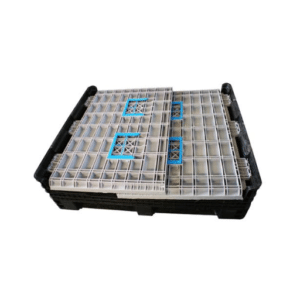
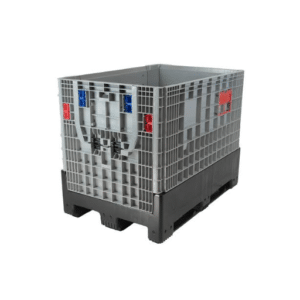
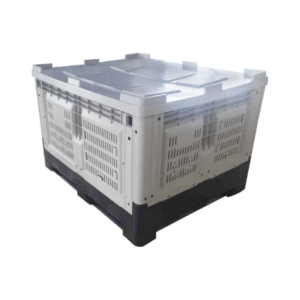
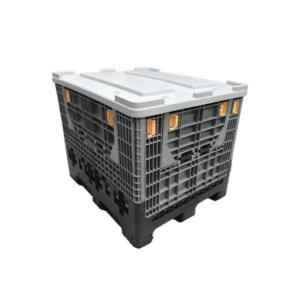
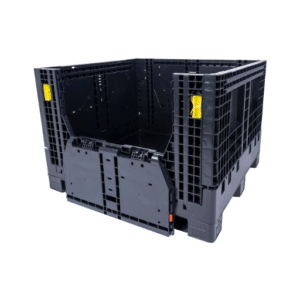
Plastic pallet boxes combine the footprint of a standard pallet with the protection of a rigid container. They are ideal for bulk agricultural produce, automotive components, and retail distribution. The global foldable plastic pallet box market alone is valued at roughly USD 2.7 billion in 2025.
Collapsible and Rigid Options
Our collapsible plastic pallet boxes fold flat when empty, slashing return shipping costs. Rigid pallet boxes offer maximum durability for long-term, high-cycle applications. Shandong Lile produces both configurations in standard and custom sizes. Whether you need a space-saving returnable transport package or a heavy-duty rigid bin, we have a solution that fits.
Corrugated Plastic Products
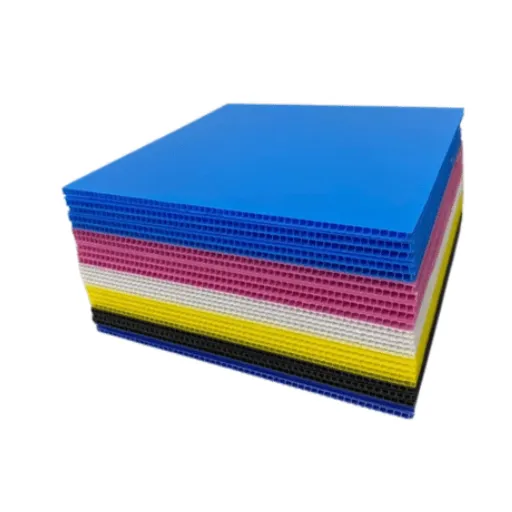
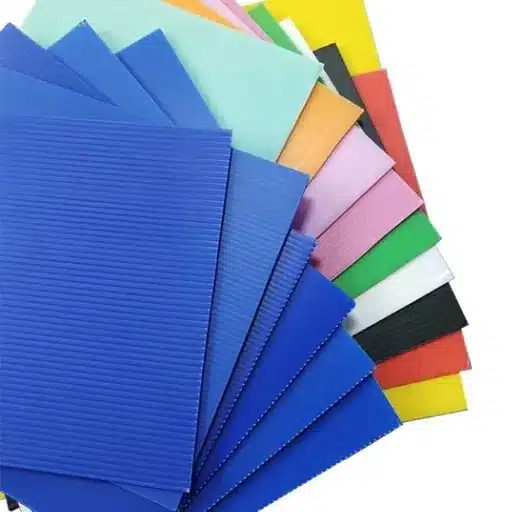
Corrugated polypropylene (PP) sheets add another layer of versatility. They are lightweight, waterproof, and fully recyclable. Our corrugated plastic products include custom-fabricated boxes, dividers, and sleeve systems that integrate directly with pallet bases. This creates a complete, reusable packaging system tailored to your exact dimensions and load requirements.
Looking for a packaging system, not just a pallet? Contact our team to discuss how integrated plastic pallets, pallet boxes, and corrugated products can streamline your operation.
Custom Plastic Pallets and Packaging Solutions Tailored to Your Supply Chain

Custom Sizes, Colors, and Load Ratings
The uniqueness of each supply chain leads to challenges for ready-made solutions. Shandong Lile specializes in custom plastic pallets and custom plastic solutions engineered to your specifications. Our company provides the ability to modify pallet dimensions and wall thicknesses and load ratings and color codes. Our company provides Pantone color matching services and logo branding options for OEM and retail visibility programs.
The company operates a manufacturing facility that covers 178000 square meters and contains 18 major production machines. The company possesses sufficient capacity to fulfill customer requests because of its operational scale which exceeds that of typical small businesses.
OEM and Branded Packaging Programs
Klaus Mueller manages exports for a German automotive parts supplier. His customers in North America and Asia require consistent branding across all packaging materials. We worked with Klaus to develop a unified OEM program: custom-colored plastic pallets, matching collapsible pallet boxes, and branded corrugated dividers.
The result produced a professional packaging system which maintained brand consistency throughout all customer interactions. The time required to complete standard custom orders decreased to 15 to 20 workdays. His customers noticed the difference.
Export-Ready and ISPM-15 Exempt Solutions
The shipping process becomes easier to manage through the use of plastic pallets which most people fail to recognize as a valuable benefit. Wooden pallets must undergo heat treatment or fumigation procedures in order to meet ISPM-15 standards. The requirements lead to increased expenses and extended delays and additional documentation needs. Plastic pallets are exempt.
The international shipping exemption provides businesses with a strategic edge when they operate in different countries. Customs clearance is more efficient. The need for treatment certificates has been eliminated. You can rest assured that shipments will not face port rejections due to pallet compliance violations.
How to Choose the Right Plastic Pallet for Your Needs
Selecting the right pallet starts with understanding your operational requirements. Here is a simple framework to guide your decision.
Evaluate Load Requirements
The maximum weight of your pallet should begin with its total capacity to carry both moving loads and stationary loads. Industrial applications typically require rackable pallets with dynamic load ratings of 1,000 kg or more. Lighter retail loads may be fine with nestable designs rated at 500 to 800 kg.
Consider Storage and Transportation Conditions
Think about temperature extremes and chemical exposure and moisture. Food and pharma operations need hygienic, easy-to-clean surfaces. Cold storage facilities need materials that resist brittleness at low temperatures. Outdoor storage demands UV-stabilized formulations.
Factor in Long-Term ROI and Sustainability Goals
Calculate the total cost of ownership over a 5-year horizon not just the purchase price. The calculation should include savings from reduced damage and lower shipping weight and eliminated fumigation fees and longer replacement cycles. If your company has sustainability targets you need to consider both recyclability and the ability to use post-consumer recycled content.
Our engineering team will help you select the right specification when you need guidance about which option to choose. We have done this for companies in 108 countries. We can do it for you.
Why Plastic Pallets Are the Future of Global Logistics
The shift from wood to plastic is no longer a niche trend. It is a strategic response to the demands of modern global logistics. Plastic pallets deliver durability, hygiene, consistency, and export readiness that wooden alternatives simply cannot match. When integrated with plastic pallet boxes and corrugated plastic products, they become the foundation of a more efficient, cost-effective supply chain.
Here are the key takeaways:
- Plastic pallets last 7 to 10+ years and reduce long-term total cost of ownership.
- They are exempt from ISPM-15 regulations, making international shipping faster and cheaper.
- Automated warehouses and regulated industries rely on plastic for consistency and cleanliness.
- Custom solutions allow you to match dimensions, colors, load ratings, and branding to your exact needs.
- An integrated packaging approach, pallets plus boxes plus corrugated products, delivers the greatest operational benefit.
At Shandong Lile Holding Group, we bring together advanced manufacturing, global logistics expertise, and a customer-centric approach to solve your packaging challenges. Your operation deserves more than a commodity pallet. It deserves a solution engineered for your success.
Get a free quote today and discover how our plastic pallets and integrated packaging solutions can transform your supply chain.