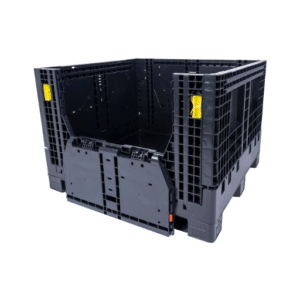
Plastic pallets serve as essential materials for various industrial sectors because they offer long-lasting strength and reusable properties and affordable pricing. However, companies need to maintain their cleanliness because they must meet hygiene requirements that apply to food processing and pharmaceutical and logistics industries. Through proper sanitation practices plastic pallets experience extended usage time while companies reduce product contamination risks and damage threats. The guide shows you the best methods and best maintenance techniques which you need to clean plastic pallets. The complete resource will provide you with technical information because you need to maintain your pallets in perfect condition whether you want to improve your operations or follow strict industry standards.
Understanding Plastic Pallets
Types of Plastic Pallets
Plastic pallets are generally categorized based on their design, material composition, and intended application. The primary types include:
Stackable pallets: Feature a flat bottom for stable stacking
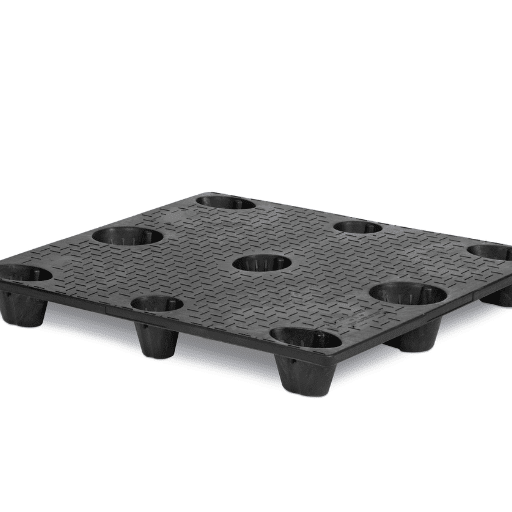
Nestable pallets: Have bottom feet that enable efficient nesting when the pallets are not needed
Rackable pallets: Designed to be used on racking systems that support heavy loads
Export pallets: Lightweight and typically used for single delivery purposes to reduce shipping expenses
The production of plastic pallets utilizes multiple materials which include high-density polyethylene (HDPE) for its durable chemical-resistant properties and polypropylene (PP) for its superior impact-resistant capabilities. The operational requirements of an organization together with its weight load demands and its need to meet particular industry regulations determine which pallet type should be selected.
Benefits of Using Plastic Pallets
Durability
Endures multiple uses without experiencing damage which wooden products would suffer
Lightweight Design
Enables lower transportation expenses while retaining sufficient strength to support heavy weight loads
Chemical Resistance
Maintains resistance against moisture, chemicals, and pests for improved sanitary conditions
Recyclability
Can be recycled which supports environmental protection efforts
Plastic pallets function as an economical and durable solution which supply chains require in contemporary times because of their multiple advantageous features.
Importance in the Supply Chain
Plastic pallets serve a fundamental function within present-day supply chain systems because of three essential features which include their ability to endure use, their consistent performance, and their capacity to fulfill stringent cleanliness requirements. The product’s lightweight structure results in reduced shipping expenses while it also decreases the energy requirement for equipment handling in both storage and transportation processes. The pallets work with automated systems which include conveyor belts and robotic palletizing systems to enhance logistical processes while meeting the increased efficiency requirements of international supply chain networks. Plastic pallets serve as essential components which help businesses improve their supply chain operations through their combination of strong performance capabilities and environmentally sustainable features and flexible use options.
Methods for Cleaning Plastic Pallets
Manual Pallet Cleaning Techniques
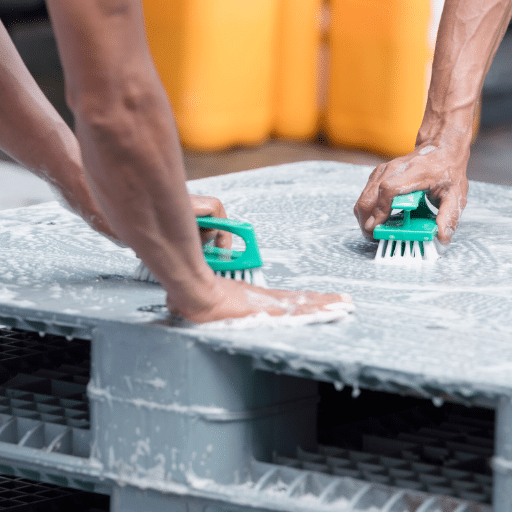
The process of cleaning pallets requires workers to use fundamental equipment which consists of brushes and scrapers and cleaning cloths together with cleaning products that include mild detergents and disinfectants to eliminate all types of waste materials from plastic pallets. The cleaning process requires the application of suitable cleaning products which must be safe for materials and should cover every part of the object including its most hidden areas. The process of rinsing pallets with clean water and allowing them to dry in the air prevents the development of microorganisms. The method provides businesses with a cost-efficient solution which functions effectively when they have minimal resources for automated cleaning equipment.
💡
Key Equipment for Manual Cleaning
Brushes and scrapers
Cleaning cloths
Mild detergents
Disinfectants
Clean water for rinsing
Using a Pallet Washer
A pallet washer is a specialized machine designed to automate and streamline the cleaning process for plastic pallets. The washers use three cleaning methods which include high-pressure water jets and rotating brushes and industrial-grade cleaning agents to achieve effective removal of dirt and bacteria and other contaminants. The majority of pallet washing machines allow users to modify operational parameters through their control systems which let users choose between different washing cycles and washing temperatures and detergent compositions. The use of pallet washers enables businesses to achieve better cleaning results together with reduced need for workers which results in improved cleanliness standards for food production and pharmaceutical logistics operations.
Industrial Pallet Washing Solutions
Modern industrial pallet washing solutions use advanced technologies which provide both efficient cleaning systems and environmentally friendly cleaning operations. The system uses high-pressure washing nozzles together with exact temperature controls and environmentally safe detergents to achieve complete cleaning while using minimal water and energy resources. The operation of multiple models becomes effortless through their automated conveyor systems and real-time monitoring features which enable integration with current business processes. The equipment develops to fulfill strict hygiene requirements which makes it suitable for food processing and logistics and pharmaceutical industries while it ensures regulatory compliance and improved operational performance.
Cleaning Method
Best For
Advantages
Considerations
Manual Cleaning
Small operations, low volume
Cost-efficient, minimal equipment
Labor-intensive, time-consuming
Pallet Washer
Medium to high volume
Automated, consistent results
Initial investment required
Industrial Solutions
Large-scale operations
Eco-friendly, highly efficient, automated
Higher cost, requires integration
Sanitizing Plastic Pallets
Steps to Sanitize Plastic Pallets
1
Inspection
Conduct a visual assessment of plastic pallets to find any existing dirt, broken parts, or unwanted substances. Manually remove all large items from the area.
2
Pre-Wash
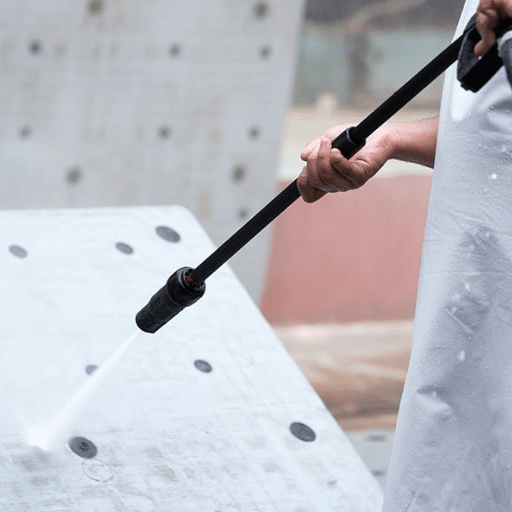
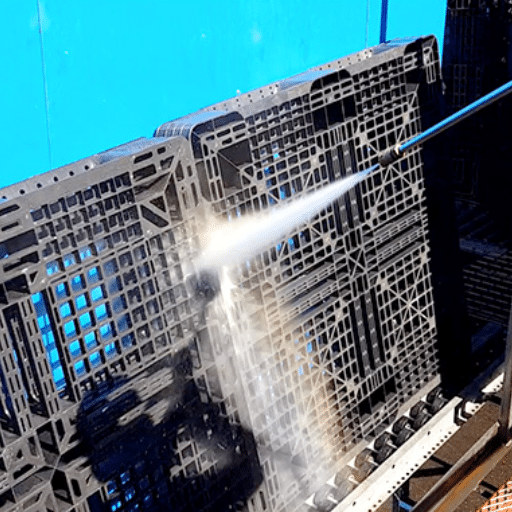
Perform a pre-wash treatment using water washing to remove all loose dirt and other materials. This step requires high-pressure water systems to perform effectively.
3
Detergent Application
Use a proper detergent that meets all industry standards. The detergent needs to meet eco-friendly requirements while serving as a cleaning solution for industrial plastic materials.
4
Scrubbing
Use automatic cleaning machines or manual scrubbing to clean all areas including both corners and hidden parts. Ensure thorough coverage of all surfaces.
5
Rinsing
Use clean water from high-pressure systems to rinse and remove all cleaning products and loosened dirt from the pallets.
6
Disinfectant Treatment
Apply an industry-approved disinfectant that kills all microbial life. Follow established guidelines for proper contact time requirements.
7
Drying
Ensure pallets reach 100 percent drying before use, as any remaining moisture will lead to microbial growth. Use air-drying systems or climate-controlled facilities for faster results.
✓
Select EPA-approved disinfectants that can kill multiple types of pathogens including viruses and bacteria
✓
Follow manufacturer instructions exactly for dilution and contact time requirements
✓
Sanitize frequently touched areas and contaminated surfaces while using required personal protective equipment (PPE)
✓
Use automated or hands-free cleaning systems to improve operational consistency
✓
Perform regular audits and staff training sessions to ensure compliance with safety standards
Common Sanitizing Solutions
Solution Type
Composition
Applications
Effectiveness
Alcohol-based disinfectants
70% or more isopropyl/ethyl alcohol
General disinfection
Eliminates various pathogens
Quaternary ammonium compounds (Quats)
Quaternary ammonium salts
Food preparation areas
Effective and safe for food contact
Hypochlorite solutions
Diluted bleach
Heavy-duty sanitation
Kills bacteria and viruses effectively
Hydrogen peroxide
H₂O₂ solutions
Delicate surfaces
Safer, milder cleaning power
Important: Optimal performance and safety results from proper dilution and application guidelines which manufacturers provide for their products.
Keeping Your Plastic Pallets in Top Condition
Regular Maintenance Tips
🔧 Maintenance Checklist
Following these practices will help ensure the longevity and safe use of your plastic pallets.
Storage Recommendations for Clean Plastic Pallets
🌡️ Temperature Control
Maintain cool, dry conditions with adequate air circulation
☀️ UV Protection
Keep away from direct sunlight and extreme temperatures
💧 Moisture Prevention
Keep storage area dry to prevent mold and material distortion
🏗️ Proper Stacking
Store in an organized manner to prevent excessive structural pressure
Outdoor Storage Tip: Use protective covers or special pallet shelters to protect against rain, dust, and other environmental elements.
Signs of Wear and Tear
Pallets show their common signs of wear and tear through material damage. Regular inspections for these signs are crucial to maintaining safety and functionality during use.
⚠️ Warning Signs to Watch For
Visible cracks, splinters, and breaks that decrease load-bearing capacity
Warping, rotting, and mold growth (for wooden pallets) from moisture contact
Discoloration, brittleness, and deformation from extended UV radiation exposure and temperature fluctuations
Loose or missing fasteners indicating structural instability
Structural instability of the pallet base
Safety and Compliance Considerations
Regulations for Sanitizing in the Supply Chain
Sanitizing regulations within the supply chain are governed by standards that vary based on industry, but key guidelines often come from organizations such as the FDA, USDA, and WHO.
Key Regulatory Frameworks
Food Safety Modernization Act (FSMA)
Requires that all surfaces and containers which touch food must undergo proper cleaning and sanitization processes to prevent contamination
Good Manufacturing Practices (GMP)
Establishes requirements for regular sanitization procedures throughout operations
Hazard Analysis and Critical Control Points (HACCP)
Defines approved cleaning agents, required sanitization intervals, and compliance documentation requirements for activity tracing
Organizations must comply with these regulations because they protect safety while maintaining product quality throughout the entire supply chain.
Health and Safety Guidelines
Organizations must follow current standards and regulations to achieve health and safety compliance. The latest guidelines emphasize several critical areas:
Risk Assessments Conduct proper evaluations to identify workplace dangers
PPE Training Train employees on personal protective equipment use
Ventilation Systems Establish effective air circulation and quality control
Equipment Inspections Conduct regular checks on all cleaning equipment
OSHA Compliance Monitor regulatory changes and maintain protocols
Hygiene Practices Maintain proper sanitation throughout the workplace
Environmental Impact of Cleaning Solutions
The environmental impact of cleaning solutions depends on both their chemical composition and their ability to break down into natural elements.
Solution Type
Environmental Impact
Recommended Alternative
Conventional Cleaners
Contains phosphates, VOCs, non-biodegradable surfactants causing water pollution and habitat damage
Biodegradable, eco-friendly products
Hazardous Chemical Products
Air contamination and greenhouse gas emissions during production and disposal
Environmental Best Practice:
The organization promotes environmental protection through practices which create less environmental damage and support the development of healthier natural environments by utilizing environmentally safe cleaning products that break down in nature, contain no hazardous chemicals, and use recyclable packaging.
References
Center for Crop Diversification (University of Kentucky): This document discusses the use of clean, sanitizable plastic pallets in food safety and packing. Read more here.
Cornell Waste Management Institute: This resource provides best practices for recycling and maintaining clean agricultural plastics, including plastic pallets. Read more here.
University of Vermont Extension: This guide highlights the importance of using durable, easily cleaned materials like plastic for produce handling. Read more here.
Frequently Asked Questions (FAQ)
❓ What is the best way to clean plastic pallets and keep plastic pallets sanitary?
The best way to clean plastic pallets is a combination of removing loose debris, washing with detergent and water, and then rinsing with high-pressure hot water or a pressure washer to ensure thorough cleaning. The cleaning process for plastic pallets used in food and pharmaceutical supply needs to follow hygienic cleaning procedures which include cleaning and sanitizing steps that begin with pre-scrape work. The selection of plastic pallets together with their polymer materials which resist staining and enable easier cleaning will extend their useful life while protecting against contamination.
❓ How do automated pallet washers compare to washing pallets manually?
The use of automated high-pressure washers and automated pallet washers provides faster and more dependable results compared to manual pallet cleaning methods which become less effective when handling multiple pallets. Automated systems use their capabilities to move pallets through the entire cleaning process which includes applying detergent and high-pressure hot water and conducting drying cycles to achieve clean pallets with reduced labor needs. The pallet washer models provide better value for operations which require high throughput in warehousing and manufacturing operations than the continuous manual operation of pressure washers and scrub brushes.
❓ Can you safely use a pressure washer or high-pressure washers on all types and models of pallet?
The plastic pallets require cleaning with high-pressure washers however you must confirm their pallet type and the plastic polymers which compose their structure because some low-density or damaged pallets will lose their shape when exposed to extremely high-pressure hot water. The construction of plastic pallets includes hygienic design elements which enable their use in high-pressure cleaning operations. The cleaning method for wood pallets requires different treatment than the one used for plastic pallets. The user should select a lower-pressure option or an automated pallet washer that matches their pallet specifications when they experience uncertainty.
❓ What is the proper procedure to clean and sanitize pallet boxes and crates, including nestable plastic pallets?
The process begins with the complete emptying of pallet boxes and crate containers which must be pre-rinsed to eliminate all remaining dirt. Nestable plastic pallets together with all other plastic pallets must be washed using detergent while staff members must scrub all difficult areas before they begin to rinse the pallets using high-pressure hot water. After drying, an approved sanitizer must be applied to achieve sanitization of the pallets. The design of nestable plastic pallets makes cleaning easier because it creates fewer areas where dirt can accumulate while proper cleaning methods keep pallets clean throughout the entire supply chain process.
❓ How often should I clean plastic pallets in a warehouse or manufacturing process to prevent contamination?
The frequency of cleaning requirements differs based on which materials are used. Hygienic pallets need to undergo cleaning and sanitization procedures after each use or throughout the day when they remain in constant operation. The washing schedule for general warehouse operations should follow the existing pallet turnover and soil accumulation patterns with weekly and monthly inspections serving as adequate assessment methods. The first critical point occurs after spills and contaminant exposure, and the second critical point happens when equipment leaves areas that need to stay clean to stop bacteria from spreading and to maintain equipment lifespan.
❓ What tools and pieces of equipment are used to clean plastic pallets?
Common tools and pieces of equipment used to clean plastic pallets include brushes, pressure washers, high-pressure hot water systems, and automated pallet washers. The polymers that compose the pallets determine their ability to withstand chemical substances and high temperatures and their capacity to undergo cleaning processes without sustaining damage. The solid structure of plastic pallets together with their hygienic design which features smooth surfaces and limited crevices allows for straightforward cleaning, whereas complex designs and damaged pallets result in dirt accumulation. Choose cleaning chemicals and equipment that match both your pallet material and your desired sanitary level.
Ready to Optimize Your Pallet Cleaning Process?
Implementing proper cleaning and sanitization practices for your plastic pallets ensures compliance with industry regulations while extending the life of your equipment and protecting product quality throughout your supply chain.