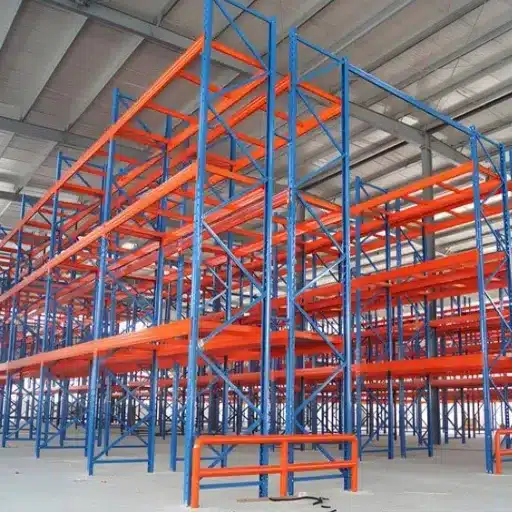

In 2026, pallet racking costs range from 50to50to850 per pallet position depending on the system type, with basic selective racking starting at 80to80to200 per position fully installed. The real surprise for most warehouse managers is not the equipment price — it is the stack of additional expenses that turn a 50,000quoteintoa50,000quoteintoa75,000 invoice.
Marcus Chen thought he had done his homework. As operations manager for a mid-sized distribution center in Ohio, he gathered three quotes for a new selective racking system. The winning bid came in at 85,000for1,200palletpositions—wellwithinhis85,000for1,200palletpositions—wellwithinhis100,000 budget. Six months later, his final invoice hit $127,000. Installation, seismic engineering, freight, and accessories he had not anticipated ate through his contingency and then some. The racking worked perfectly. His budget did not.
If you are planning a warehouse storage project, you already know that pallet racking cost is one of the largest capital investments you will make. You have probably seen the equipment-only figures that suppliers post online. Those numbers are real, but they are rarely complete. This guide breaks down every cost factor for every major racking system type, with actual 2026 pricing, hidden costs most buyers overlook, and a total cost framework so you can budget with confidence. We will also show you why your choice of pallets — plastic versus wood — directly affects your racking investment in ways most cost guides ignore.
Key Takeaways
- Pallet racking costs range from 50to50to850 per position depending on system type; selective racking is most affordable at 80to80to200 installed.
- Installation, freight, accessories, and permitting typically add 30% to 50% to equipment-only quotes.
- Plastic pallets reduce long-term racking maintenance through consistent dimensions, uniform load distribution, and zero splinter damage.
- Total cost of ownership over five years often favors higher-density systems when floor space and maintenance are included.
- The cheapest upfront quote is rarely the cheapest once installation, compliance, and lifecycle costs are factored in.
What Is the Average Cost of Pallet Racking by System Type?
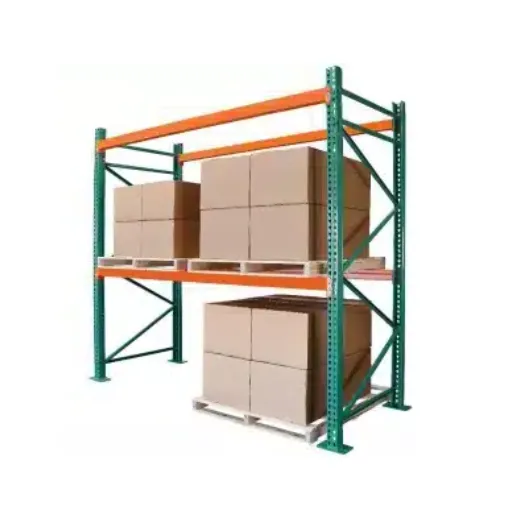
Most suppliers quote by the pallet position — the storage slot for one pallet. That metric makes comparison easier, but the range is wide because system complexity varies dramatically. The table below gives you the equipment-only and installed cost ranges for every major racking type in 2026.
| Racking System | Equipment Only | Installed (Est.) | Best For |
|---|---|---|---|
| Selective Pallet Racking | 50–50–120/position | 80–80–200/position | High SKU variety, FIFO compliance |
| Double-Deep Racking | 80–80–150/position | 120–120–300/position | Medium density, LIFO or FIFO |
| Drive-In / Drive-Through | 60–60–200/position | 115–115–500/position | High density, low SKU count |
| Push-Back Racking | 150–150–300/position | 220–220–400/position | Fast-moving inventory, LIFO |
| Pallet Flow (Gravity) | 200–200–450/position | 300–300–700/position | FIFO, high throughput |
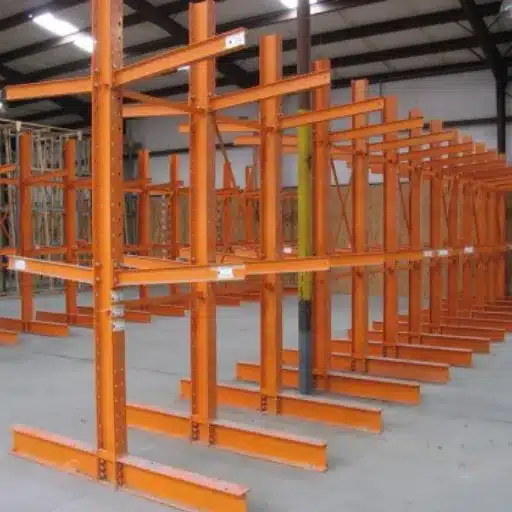
| Cantilever Racking | 100–100–200/arm | 150–150–350/arm | Long or bulky loads |
| Mobile Racking | 120–120–200/position | 200–200–600/position | Maximum space optimization |
| Shuttle / AS/RS | 300–300–500/position | 500–500–1,000+/position | Automation, high volume |
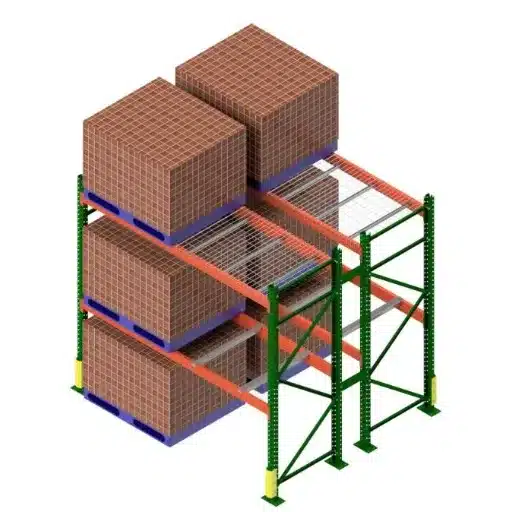
Selective pallet racking is the starting point for most warehouses because it offers 100% accessibility at the lowest entry price. Every pallet is reachable without moving another, making it ideal for operations with high SKU variety. The trade-off is lower storage density.
Drive-in and drive-through systems flip that equation. Forklifts drive directly into the rack structure, eliminating aisles between rows and boosting density by 60% to 75%. Installation is more complex, and pallets at the back are not accessible until front positions are empty.
Push-back and pallet flow systems sit in the middle-to-upper price range. Push-back uses nested carts on inclined rails; pallet flow uses gravity rollers. Both reduce labor time and improve pick speed, which is why e-commerce fulfillment centers pay the premium. The return comes from labor savings and faster throughput, not just storage density.
For warehouses using selective racking — the most common and cost-effective system — the right pallet choice matters just as much as the rack itself. Inconsistent pallet dimensions force wider beam spacing and reduced load confidence, which inflates your effective cost per position over time. Explore our range of plastic pallets engineered for selective racking systems to see how consistent specifications improve rack efficiency.
How Much Does Pallet Racking Cost by Warehouse Size?
Budgeting by warehouse size gives you a reality check that per-position pricing cannot. Aisles, docks, and open floor space mean your total cost per square foot of building is always lower than your cost per square foot of racked storage.
Small Warehouse (under 10,000 sq ft, ~500–1,000 positions)
Expect an all-in investment of 25,000to25,000to100,000. Small facilities usually run selective racking because SKU count is high relative to volume. Installation is straightforward, and permitting is simpler. The challenge is maximizing vertical space — low ceilings limit rack levels.
Medium Warehouse (10,000–50,000 sq ft, ~2,000–5,000 positions)
All-in costs typically fall between 100,000and100,000and500,000. This is where system choice matters financially. A facility with low SKU count might justify drive-in or push-back. One with high SKU variety will stick with selective. The difference can be $100,000 or more.
Large Distribution Center (50,000+ sq ft, 5,000+ positions)
Budget 400,000to400,000to1,500,000 or more. Large facilities often mix system types — selective for fast movers, drive-in for bulk storage, push-back for seasonal inventory. At this scale, a 10% savings on equipment cost translates to tens of thousands of dollars. But the same scale also means that installation complexity, permitting, and operational disruption multiply.
For perspective, selective racking averages 20to20to35 per square foot of racked area installed. High-density systems run 30to30to70 per square foot. Automated systems start at $60 per square foot and climb based on software integration.
Equipment Cost Breakdown: What You Are Actually Paying For
When a supplier sends you a line-item quote, you are looking at four core components. Understanding each one helps you spot where you are over-specifying and where cutting corners will cost you later.
Upright Frames (50–50–130 each)
Uprights are the vertical columns that carry the load. Price depends on height, depth, and steel gauge. A standard 12-foot upright might run 65;a20−footheavy−dutyuprightcouldcost65;a20−footheavy−dutyuprightcouldcost120 or more. Thinner steel saves money upfront but dents more easily from forklift impact.
Horizontal Beams (25–25–85 per pair)
Beams span between uprights and hold the pallet weight. Cost is driven by length and capacity rating. A 96-inch beam rated for 3,000 lb per pair costs less than a 144-inch beam rated for 5,000 lb. Longer beams need higher capacity because deflection increases with span. If your pallets are not uniform, you may need to size beams for the heaviest expected load — which means paying for capacity you do not always use.
Accessories (10–10–500 per component)
Wire decking adds 12to12to21 per position. Column protectors run 8to8to30 each. Row spacers cost 15to15to40 each. Safety barriers and guard rails for high-traffic aisles can reach 200to200to500 per section. Pallet stops, back stops, and aisle markers add smaller amounts that still accumulate across thousands of positions. Most buyers budget for decking and protectors, then forget about the rest.
Freight and Delivery (500–500–3,000+)
Freight is rarely included in equipment quotes. Distance, liftgate requirements, and delivery type all affect the final number. For a full truckload of racking, expect 1,500to1,500to3,000.
New vs. Used vs. Refurbished
Used selective racking typically costs 30% to 50% less than new equipment. For standard teardrop-style roll-formed racks, used is often a smart choice if the components match and show no visible damage. The risk increases with structural racking, high-bay systems, and any installation in seismic zones — those applications demand engineering confidence that used components may not provide.
A hybrid approach is common: new uprights for structural integrity paired with used beams for cost savings. Just make sure gauges and connector styles match — mismatched components are a safety hazard.
When FreshPack Foods upgraded their Wisconsin cold storage facility, they faced a decision most managers overlook. Their wood pallets were splintering in sub-zero temperatures, and broken boards damaged rack beams. After switching to HDPE plastic pallets, their rack maintenance costs dropped by nearly 30% over two years. The pallets cost more upfront, but the racking stayed in better shape.
Installation Costs: What Drives the 15–35% Premium
Equipment is only part of the pallet racking cost equation. Installation labor typically adds 15% to 25% for selective systems and 20% to 35% for complex systems like drive-in, push-back, or pallet flow. Mobile and automated systems can push installation to 35% to 50% of equipment cost.
Standard installation rates run 50to50to150 per hour depending on your region. A crew of four can install roughly 50 to 80 selective rack positions per day on a clean site. Complex systems with rail systems, inclines, or motorized components take longer.
Several factors push installation costs above the standard range:
- Seismic zones require engineering review and reinforced anchoring, adding 20% to 30%.
- High-bay systems over 25 feet need specialized lifting equipment.
- Existing obstructions like columns or uneven floors slow progress.
- After-hours installation adds a 25% to 50% labor premium.
- Cold storage requires slower work pace and special tools.
For timeline planning, expect one to two weeks for a 500-position installation. A 5,000-position project takes eight to twelve weeks. Automated systems add four to eight weeks for software integration.
Hidden Costs Most Buyers Overlook
The gap between quoted equipment price and final invoice is where most budget surprises live.
Permitting and Compliance (500–500–5,000+)
Most jurisdictions require building permits for racking taller than approximately five feet nine inches. High-pile storage permits from the fire marshal add another layer. Seismic zones require engineering stamps. Skipping them risks fines, shutdowns, and forced redesigns.
Floor Preparation and Anchoring
Racking must anchor to concrete that meets thickness and strength specifications. Cracked or thin floors need repair before installation. Mobile and flow systems are especially sensitive to levelness — uneven surfaces cause rails to bind.
Specialized Material Handling Equipment
Very narrow aisle (VNA) systems need specialized forklifts at 18,000to18,000to35,000. Double-deep racking requires double-reach trucks at 15,000to15,000to30,000. If your current fleet cannot handle the configuration, the forklift purchase belongs in your total budget.
Insurance and Warranty Requirements
Self-installation often voids warranties and creates liability exposure. Professional installation is required for most insurance coverage. Improperly installed racks also violate the OSHA General Duty Clause.
Maintenance and Inspection (500–500–2,000 per year)
Annual inspections, component replacement, and load placard updates are ongoing costs that do not appear in the initial quote. Over five years, maintenance can add 2,500to2,500to10,000 to total ownership cost.
How Pallet Choice Affects Your Racking Investment
Here is the cost factor that no racking supplier includes in their quote: the pallets themselves. And more specifically, how pallet material and construction affect your rack design, maintenance, and total storage cost.
Pallet Weight and Beam Capacity
Every beam is rated for a maximum load per level. That rating includes the pallet weight plus the product weight. A standard wood pallet weighs 25 to 30 kg with significant variation. A plastic pallet weighs 22 to 26 kg with batch-to-batch consistency of ±2 mm. The lighter, more consistent tare weight of plastic pallets means you can optimize beam capacity for product rather than over-engineering for pallet uncertainty.
Dimensional Consistency
Wood pallets absorb moisture, swell, shrink, and splinter. Dimensional drift forces wider beam spacing and reduced stacking confidence. Plastic pallets hold their dimensions across temperature cycles and humidity changes, keeping your rack configuration optimized.
Rack Damage and Maintenance
Wood pallets break. Splintered boards and protruding nails damage rack structures, scratch beams, and create fire hazards. Plastic pallets fail predictably — they crack or deform visibly — and produce no sharp debris. Less rack damage means fewer maintenance calls and lower total cost.
Load Distribution
Wood pallets distribute weight unevenly because of board gaps and knots. Point loads concentrate at nail locations. Plastic pallets with continuous runners distribute weight uniformly across the beam length. Uniform distribution means predictable beam stress and safer operations.
When you factor in pallet replacement frequency — wood pallets last 8 to 15 trips in racking before repair or replacement, while plastic pallets last 5 to 7 years or 200+ trips — the total storage cost story changes significantly. The rack and the pallet are not separate purchases. They are a single storage system, and optimizing one without the other leaves money on the floor.
Need pallets that match your racking specifications? At Shandong Lile, we manufacture rackable plastic pallets with steel reinforcement and custom sizing for existing footprints. Request a custom quote and our engineering team will assess your requirements.
5 Ways to Reduce Pallet Racking Costs Without Sacrificing Safety
- Optimize your layout before purchasing. Reducing aisle width or adding one vertical level can increase capacity by 15% to 20% without changing system type.
- Match beam capacity to actual loads. Over-specifying is expensive. If your heaviest pallet weighs 1,200 kg, you do not need beams rated for 2,500 kg.
- Consider used selective racking for standard applications. Quality used racking can cut equipment costs by 30% to 50%. Verify component compatibility and inspect for damage before purchase.
- Standardize your pallet specifications. Consistent dimensions allow tighter rack optimization. Plastic pallets with tight manufacturing tolerances eliminate the dimensional uncertainty that forces over-engineering.
- Get quotes from specialized installers, not general contractors. A crew that installs racks daily works 30% to 40% faster and makes fewer alignment errors.
Total Cost of Ownership: Looking Beyond the Purchase Price
The equipment invoice is just the starting point. A five-year total cost of ownership (TCO) model gives you the real number for comparison between system types and suppliers.
Consider a 2,000-position selective racking installation for a medium-sized warehouse:
| Cost Category | Amount |
|---|---|
| Equipment | 160,000–160,000–240,000 |
| Installation | 40,000–40,000–60,000 |
| Accessories | 20,000–20,000–40,000 |
| Pallets (2,000 units, plastic) | 50,000–50,000–90,000 |
| Maintenance (5 years) | 5,000–5,000–10,000 |
| 5-Year TCO | 275,000–275,000–440,000 |
The same facility using wood pallets would show a lower initial investment — perhaps 30,000to30,000to50,000 — but higher replacement frequency and rack damage. Over five years, the wood scenario often converges with or exceeds the plastic pallet TCO.
CentraLogistics, a Dallas fulfillment provider, modeled five-year TCO before expanding. Their selective system at 120perpositionseemedobvious—untilthespreadsheetshowedthatpush−backat120perpositionseemedobvious—untilthespreadsheetshowedthatpush−backat280 per position actually cost less over five years by eliminating the need to lease an additional 8,000 square feet.
Frequently Asked Questions
How much does pallet racking cost per pallet position?
Pallet racking cost per position ranges from 50to50to200 for selective systems, 150to150to400 for push-back, and 300to300to700 for pallet flow. Fully installed costs — including labor, accessories, and freight — typically run 30% to 50% above equipment-only prices.
What is the cheapest type of pallet racking?
Selective teardrop pallet racking is the most cost-effective system, with equipment costs starting at 50perpositionandinstalledcostsaround50perpositionandinstalledcostsaround80 to $120 per position. It is also the most versatile, which is why approximately 70% of industrial facilities worldwide use it as their primary or secondary storage system.
How much does pallet racking installation cost?
Installation adds 15% to 25% to equipment costs for selective racking and 20% to 35% for complex systems. Regional labor rates vary from 50to50to150 per hour. Seismic zones and high-bay work push percentages higher.
Do I need a permit to install pallet racking?
Yes. Most jurisdictions require permits for racking taller than approximately five feet nine inches. High-pile storage requires fire marshal approval. Seismic zones need engineering stamps.
Can I install pallet racking myself?
Self-installation is strongly discouraged. It compromises structural integrity, voids warranties, and may violate the OSHA General Duty Clause. Professional crews work 30% to 40% faster and deliver code-compliant results.
What is the difference between roll-formed and structural racking cost?
Roll-formed costs 30% to 40% less than structural steel. It suits standard environments with moderate forklift traffic. Structural racking costs more but offers superior durability and better performance in freezers or high-impact zones.
Is used pallet racking safe?
Used selective racking is safe from reputable dealers with proper inspection. Avoid bent components, mismatched gauges, or unknown load history. Never use used racking in seismic zones without engineering review.
What accessories do I need to budget for?
Essential accessories include wire decking (12–12–21 per position), column protectors (8–8–30 each), row spacers (15–15–40 each), and safety barriers (200–200–500 per section). Smaller items like pallet stops and load placards accumulate across large projects.
How often does pallet racking need maintenance?
Conduct visual inspections monthly and comprehensive audits quarterly. Annual professional inspections are recommended for high-traffic facilities. Replace damaged components immediately. Budget 500to500to2,000 per year for maintenance on a medium-sized installation.
Conclusion
Pallet racking cost is not a single number. It is a stack of decisions — system type, equipment specs, installation complexity, compliance requirements, and pallet choice — that together determine what you will actually spend. Successful managers look past the equipment quote and model the full project before signing.
The cheapest upfront bid is rarely the cheapest over the life of the system. Installation, accessories, permitting, and maintenance add 30% to 50% to most quotes. The pallets you choose directly affect rack capacity needs and repair frequency.
At Shandong Lile, we engineer plastic pallets that help your racking investment perform at its best. From rackable designs with steel reinforcement to custom dimensions for your footprint, we deliver solutions that reduce total storage cost. Explore our plastic pallet range or request a custom quote.