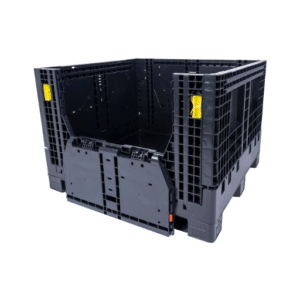
Quality, safety, and conformity to regulations are the main focuses of the production of pharmaceuticals. The selection, usage, and maintenance of pallets, which is a very important aspect of the whole process, is often neglected or overlooked. Since pharmaceuticals are so sensitive, they require strict compliance that the highest level of Good Manufacturing Practices (GMP) must be followed at every stage of the supply chain. This, however, raises the question of what that really means for your pallets? This guide takes you through the must-have features of pharmaceutical pallets in such a way that your operations are in compliance with GMP. Whether you are dealing with regulations or you simply want to make your processes quicker, this post will provide you with the necessary knowledge and skills to confidently and accurately handle one of the industry’s most practical challenges.
Understanding Pharmaceutical Pallets

Definition and Importance of Pharmaceutical Pallets
Safeguarding and streamlining the storage and transport of pharmaceutical products is the main purpose of developing pharmaceutical pallets. These pallets not only protect the products during their journey but also through these, the compliance with strict Good Manufacturing Practices (GMP) and regulatory requirements are ensured. The pharmaceutical pallets are very essential in the protection of the delicately pharmaceutical goods like medications, vaccines, and raw materials against contamination, destruction, and fluctuations in temperature. As per the latest data, the need for compliant, high-quality pallets has exploded as the pharmaceutical supply chain has been gradually moving towards larger volumes and stricter requirements, thereby making the demand for these pallets grow tremendously. The materials used in the manufacture of pharmaceutical pallets, usually sanitary plastic or metal, possess many favorable properties, they are resistant to moisture and chemical effects, easy to clean, and thus highly contribute to hygiene. Their importance is so significant that they can protect the product throughout the distribution process and ensure that the medicines delivered to the consumer are safe and unaltered, thus becoming an integral part of the entire process of pharma logistics.
Different Kinds of Pharmaceutical Pallets
Different kinds of pharmaceutical pallets are made available, with every type of palet suiting to the specific need of the supply chain. The following are the most typical types:
Plastic Pallets: Besides being impermeable, these plastic pallets also provide a clean surface, and they comply with very strict hygiene regulations, being a little more expensive than wooden pallets. They are not hard to clean but to maintain proper sanitation, they should also be replaced from time to time.
Metal Pallets: Stainless steel or aluminum, which is very common due to its toughness and ability to resist extreme temperatures (both hot and cold), are the materials of these metal pallets. Primarily, these pallets are meant for the movement and storage of heavy or ultra-sensitive pharmaceutical items.
Composite Pallets: A composite pallet is one that comes from a blend of wood and resin or plastic and fiber. They create a very good synergy of strength and lightness, of the wood and resin, respectively. Cost-effectiveness is sometimes associated with such pallets due to matching the required standards.
Hygienic or Cleanroom Pallets: The use of HDPE or stainless steel in pallet production indicates that these pallets are suitable for sterile environments and being very high-grade materials, they are responsible for delivering such top-quality cleanroom pharmaceutical production and storage.
Temperature-Controlled Pallets: These are the pallets that possess insulation or active cooling systems and help to keep the cold chain intact while shipping heat-sensitive products like vaccines, biologics, and specialty drugs.
Choosing the suitable pallet type is a matter of balancing product’s sensitivity, weight, storage requirement, and transport distance. The variety of types ensures the maintenance of good quality of pharmaceutical products throughout the journey.
Importance to the Pharmaceutical Sector
The pallets’ function in the pharmaceutical sector is not limited to simply storing and moving but it also takes part over the whole process. Undoubtedly the supply chain is extremely dependent on the proper application of these instruments as they are and thus the safe and efficient handling of the most sensitive medications becomes possible. According to the newest figures, the continuously increasing global requirement for temperature-sensitive pharmaceuticals, such as vaccines and biologics, makes it even more crucial to maintain an uninterrupted cold chain. The proper selection and maintenance of pallets will mean that the products retain their potency, being untainted, and at the same time are complying with extremely strict regulatory requirements. Innovations in pallets together with advanced tracking and temperature monitoring technology are changing the trajectory of the industry regarding the delivery of quality medicines to patients throughout the world.
GMP Compliance for Pharmaceutical Pallets

What is GMP?
Good Manufacturing Practice (GMP) is a term that refers to a system of regulations, guidelines, and standards that guarantee the quality of products produced and controlled throughout their life. It is mainly used in the pharmaceutical industry but also applies to food, cosmetics, and medical devices. The GMP regulations cover every aspect of the manufacturing process, from the acquisition of raw materials to the disposal of finished products, thereby ensuring that the products are safe for the consumers and are effective for their intended use. Worldwide regulatory bodies like the FDA (Food and Drug Administration) and EMA (European Medicines Agency) uphold the GMP compliance, thus making it a very crucial factor in the industry for the production of drugs that are legally and safely available.
GMP Requirements for Pallets
Pallets that are used in GMP-certified facilities have to pass extremely demanding hygiene as well as material standards to prevent any possible contamination of the pharmaceutical products. The material used has to be not only tough and non-porous but also easy to clean and chemical resistant, like plastic or stainless steel. Wooden pallets are generally excluded for the same reasons that render them unsuitable namely their porous nature which allows bacteria to thrive or liquids to be absorbed. Pallets are the main culprit for contamination and dirt, hence, they must be regularly cleaned and maintained. Moreover, the premises will have to ensure that the pallets are properly allocated to different areas in order to minimize the risk of cross-contamination and are regularly checked to conform to the GMP standards.
Consequences of Non-Compliance
The violation of Good Manufacturing Practice (GMP) regulations would lead to very tough consequences for the pharmaceutical and health care sectors. The US Food and Drug Administration (FDA) and the European Medicines Agency (EMA) are two of the agencies that carry out the regulation of safety, quality and efficacy of the market and the customers’ expectations; and the non-observance of such rules might bring about very harsh penalties. The companies may suffer from monetary fines, the removal of marketing approvals, or even the complete shutdown of their production units. Moreover, there will be a loss of customer trust and damage to the company’s reputation which will result in financial and operational impact for a long time. There are indications that in the past year, the authorities have tightened up the scrutiny and inspection measures and the frequency of inspections has increased which means that the companies have to be very alert in following the GMP procedures.
Choosing the Right Plastic Pallet

Benefits of Plastic Pallets for Pharma
The pharmaceutical industry enjoys a lot of plastic pallets advantages like hygiene, firmness, and legal regulations. The plastic pallets are very similar to the wooden ones, but the non-porous characteristic of the plastics results in a much lower risk of contamination and easier cleaning and sanitizing. The durability of the pallets is the biggest reason for the cost-saving that comes with it because the less replacement frequency that is allowed. In addition, many of the plastic pallets are designed to the strictest GMP and FDA rules, thus the pharmaceutical industry always has a partner in compliance with the regulations. They are light, recyclable, and add to the handling and sustainability efforts, and thus they are the preference of the pharma industry.
Hygienic Considerations
The plastic pallets would be exotic in the case of drugs and pharmacies, which is very hard to picture if the situation is not the same all over the world. A very recent study shows that more and more companies are searching for hygiene-centric logistics solutions as the need to keep things sterile and prevent contamination becomes their top priority. Using plastic pallets gives the manufacturers what they need as the latter are impervious to moisture, bacteria, and fungus and the former are thrown away since they are infested with allergens or pests. The surfaces of these pallets are non-porous allowing for cleaning and sanitizing to be more effective thus they are in the good books of health regulations. Low maintenance along with strong structure has led to the adoption of plastic pallets as the best choice for a company that wants to be hygienic, efficient, and sustainable.
Stackable vs Nestable Plastic Pallets
Stackable Plastic Pallets:
The stackable pallets are made with either a flat bottom or a solid base that can support the weight securely stacking one over the other. The construction increases the vertical storage space and thus becomes the ideal for storage and warehouses while space saving is the first concern. They are usually used in high-rack systems or during the process of transporting from one place to another, thereby providing stability and strength. These pallets can be used in many industries such as manufacturing, automotive, and logistics where they can always support heavy loads and the versatility to be used in other manufacturing processes. Depending on the type of the stackable plastic pallets in use and the material that is being used, they can support loads of 2,500 to 5,000 lbs and the load is static.
Nestable Plastic Pallets:
Nestable pallets are constructed in such a way that they stack into one another when not in use, thus they highly reduce the area taken in storage or transportation. They are made in such a way that they can be easily handled hence it is pretty much the same any businesses that see cost and space savings as number one priority will get them. The pallets produced are light yet they are also strong enough to support a load between 1,500 and 3,000 lbs in dynamic use. Nestable pallets can be considered the best option for export because their compact design not only reduces the shipping costs but also makes the process environmentally friendly by cutting down the carbon released during transport.
Key Differences:
Space Utilization: In the contest of the maximum vertical storage, stackable pallets are the champions, while on that of the least space occupied during the returns the latter triumphs.
Load Capacity: In general, stackable pallets have much higher load-bearing capacities than the others thus making them more suitable for the latter’s application.
Cost and Efficiency: Nestable pallets are typically the lightest and the cheapest which makes them economically the most viable solution for export and one-way shipping.
Just selecting whether to have stackable or nestable plastic pallets according to the precise operational situation will allow companies to make their storage capacity larger, decrease costs, and improve the whole supply management’s efficiency.
Minimizing Contamination Risks

Sources of Contamination
Supply chain operations are susceptible to contamination from various sources, including the improper handling of materials, unclean storage areas, and commingling of different products during transport. In particular, pallets can be a significant source of contamination due to the accumulation of dust, dirt, and even residues of hygiene products. If these pallets are used to transport food, drugs, or other items that require careful handling, there is a risk of contamination. Furthermore, the use of broken or extremely old pallets can never be completely avoided, leading to a further decline in product quality. Therefore, cleaning protocols, regular maintenance, and the application of hygiene standards should be the very basics of any operations that need to control these risks.
Hygienic Practices in Pallet Management
Well-executed hygienic practices in the management of pallets are bound to influence and ensure that the safety and quality of goods in industries such as that of food and pharmaceuticals are at their best. To the newly gathered data and insights, the most significant point is maintaining a constant cleaning cycle utilizing proper sanitation techniques like power washing or steam cleaning. Being oblivious to the fact, it is widely accepted that wooden pallets are still infested with germs of the likes of E. coli and Salmonella, which not only cause but also are the unwanted ones in the food chain.
What is more is that the recent data suggests that the non-porous nature of plastics is what makes them preferred among the users of pallets. They are easy to clean, hence they do not absorb much water or polluting materials. Stacking practices that are good such as lifting the pallets above floor level to prevent air pollution are also significantly important. The application of automated pallet tracking is one of the ways that can be put into place to make the monitoring and maintenance schedules even more effective and thus make the chances of poor sanitation less likely. The combination of strict adherence to cleaning protocols with strategic management systems will allow businesses to claim that their pallet operations conform to safety regulations and industry-accepted best practices.
Using Blue Smooth Top Plastic Pallets
Plastic pallets with a blue smooth top are the most suitable option for industries that not only demand absolute cleanliness but also durability and efficiency. These pallets have a non-porous top surface and as such, cleaning and sterilization are very easy to carry out. Consequently, they are highly recommended for the food and drug industries, which place the utmost importance in hygiene. Blue smooth top pallets not only can withstand harsh moisture and chemical conditions but also can be a factor in keeping the product quality intact throughout its entire lifecycle from storage to transport. Moreover, the same smooth design offers ease of stacking and compatibility with automated systems. Consequently, the manual risks are reduced while the productivity is maintained. This terrific mix of hygiene, durability, and efficiency makes them the top choice in Supply Chain Management and Logistics today.
Supply Chain Considerations for Pharmaceutical Pallets

Importance of Pallet Compatibility
Pallets’ compatibility is still a key issue in the pharmaceutical supply chain that greatly influences effectiveness and the safety of the drug. Pallets must have the right sizes and good working conditions for storage, transport, and automatic systems to avoid delays and losses. Some of the compatibility criteria are: very low risk of contamination, supporting the compliance with the industry regulations, and very easy connection between the different points in the supply chain. Selecting the pallets that are of the same standard and are made of similar materials will not only facilitate a very smooth integration process, but also curb disruptions and maintain the quality control of the pharmaceutical products during transit.
Logistics and Transportation
The logistics and transportation activities, when carried out properly, become the main factors for the buzzing in and securing of the pharma products in time. The whole treatment is under temperature-controlled trucks, strong monitoring, and secure wrapping to preserve the quality of the product during its journey. Adhering to the regulations and choosing routes with short delays, contamination, and timely delivery are added advantages. If the companies are able to reach the quality standards, then they not only possess the quality and potency of their products but also the whole supply chain backed by logistics that is a great advantage.
Impact on the Pharmaceutical Supply Chain
The use of efficient transportation methods in the pharma supply chain have a great impact as it guarantees the effectiveness of the sensitive products like vaccines, biologics, and medications that need the cold chain during the whole delivery process. Companies that have temperature-controlled vehicles and comply with very strict regulatory requirements can successfully avoid the situations that cause contamination and degradation of the products. This is not just a way of protecting patients but also of controlling the costs associated with the spoilage and rejected shipments, which could be a result of delay. Thus, the whole process of transportation becomes a streamlining factor that adds to the reliability of the supply chain, which in turn helps in the timely delivery of medicines that are critical in supporting the health care system and in eliminating the trust gap between distributors, hospitals, and patients.
References
-
Improve the efficiency and effectiveness of material handling for a pharmaceutical factory – A study from MIT’s DSpace repository discussing material handling in pharmaceutical factories.
-
AN ASSESSMENT ON PHARMACEUTICAL STORAGE SYSTEM IN THE CASE OF ARSI ZONE GOVERNMENTAL HEALTH CENTERS – A paper addressing challenges in pharmaceutical storage systems, including pallet usage.
-
ASSESSMENT OF THE STATUS OF PRIVATE AND NON-GOVERNMENTAL PHARMACEUTICALS SUPPLY WAREHOUSES IN GAZA STRIP, PALESTINE – A study discussing the use of pallets for better air circulation in pharmaceutical warehouses.
Frequently Asked Questions (FAQ)
Are hygienic plastic pallets the best option for pharmaceutical storage and shipment?
In the pharmaceutical industry, hygienic plastic pallets have been regarded as the best choice for storage and shipment due to their properties of being not easily soaked by water, being resistant to microbial contamination, and being easier to clean than wooden pallets. Plastic pallets for pharmacy applications eliminate insect infestation completely and chemical residue when treated, which is a common occurrence with wood pallets meant for pest control. They allow excellent manufacturing and distribution practices (GMP and GDP) to be followed during drugs’ storage and shipment by giving a hygienic surface to the drugs. Many companies associated with pharmaceuticals production use plastic or FDA-compliant polyethylene blue smooth top designs for easy checking and tracking. However, the choice has to consider load capacity, stackable or nestable requirements, and automation compatibility at the manufacturing site.
How do pallets for pharmaceutical applications help mitigate contamination risks in the pharma supply chain?
When it comes to reducing contamination risks in the supply chain, pallets for pharmaceutical applications help significantly as they are non-porous, cleanable platforms which limit the absorbency of water and a place where fewer contaminants than wood pallets can be found. It is much less likely that pharmaceutical plastic pallets will be hiding insects or will need some chemical treatment which would consequently be a source of potential product contamination and loss of quality of raw materials and finished medical products. The use of reusable hygienic pallets throughout the pharmaceutical supply chain guarantees compliance with GMP and FDA-sanctioned handling practices and that product integrity is maintained during distribution and storage. Moreover, the introduction of sterilization protocols and proper handling pallet procedures will aid in further diminishing contamination risks.
What advantages do pharmaceutical plastic pallets offer over wooden pallets for pharma industry logistics?
Among the many advantages, pharmaceutical plastic pallets are lightweight, reusable, recyclable and have uniform dimensions, which mean that both automation and racking systems will benefit from it. They will not absorb any water, and therefore will not require any chemical treatment or fumigation, which in turn will prevent the entry of contaminated pallets into the pharmaceutical supply chain. On the contrary, plastic pallets meet the requirements of most industries, being FDA-approved or Fda-compliant for certain applications, and can be produced as stackable or nestable, thus resulting in better warehouse efficiency and lowering bacteria-harboring risks. This leads to increased productivity and better distribution across the whole logistics chain, whether it is inbound or outbound.
Can hygienic pallets be used in cleanroom and GMP areas at pharmaceutical manufacturing sites?
Hygienic pallets are not a problem in cleanrooms and GMP areas as long as they are chosen to match the facility’s sterilization and hygiene requirements. Plastic pallets meant for both sanitary and pharmaceutical use can be included in validated-cleaning protocols and hence, be a part of keeping the cleanliness of the pharmaceutical storage and processing areas. They, unlike wooden pallets, not only bring down the number of particulates and contaminants but also make it easy to do inspections and perform routine sterilizations due to their smooth surfaces. Facilities need to check the compatibility of materials (e.g. polyethylene) and any regulatory requirements like FDA or industry-specific guidelines.
What should pharmaceutical companies consider when choosing plastic pallets for pharma distribution?
When choosing plastic pallets for pharma distribution, companies should take into account the load capacity of the pallets, whether to go for stackable or nestable designs, if they are compatible with automation and handling equipment, and how easy it is to clean and sterilize the pallets. Also assess if the pallets are fda-compliant or meet certain standards regarding the use of plastics in the pharmaceutical industry and consider the total cost of ownership which includes potential reuse, repair, and recyclability. Identifying risks of contamination, the possibility of warping under load, and whether the pallets can keep away pests and other insects will then determine the long-term choice of supply chain for resilience. Lastly, it is good practice to involve suppliers early in the process so that the pallet specifications are in line with the warehouse layout, shipping requirements, and regulatory obligations.