In the complex world of logistics, the humble pallet is the unsung hero. These structures form the backbone of supply chains, ensuring goods move safely and efficiently from warehouses to their final destinations. As demands for durability and load capacity grow, standard pallets are often not enough. This is where reinforced pallets come in, offering enhanced strength and reliability. Understanding these innovations is crucial for any business looking to optimize its logistics, reduce costs, and ensure product safety.This guide explores the essentials of reinforced pallets. We will cover the different materials used, the benefits of reinforcement, and the key technologies driving these advancements. For logistics managers and business owners, selecting the right pallet is a strategic decision that impacts everything from operational efficiency to the bottom line. By examining the features, applications, and future trends of reinforced pallets, you can make more informed choices that strengthen your supply chain.
The Importance of Reinforced Pallets in Logistics
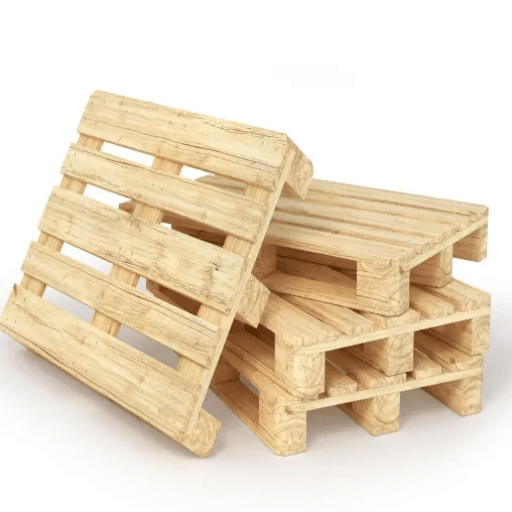
Understanding Pallet Types: Plastic vs. Steel
The choice between plastic and steel pallets often depends on the specific application and budget.
- Plastic Pallets:These are lightweight, moisture- and chemical-resistant, and easy to clean. They are a popular choice for industries with strict hygiene standards, such as the food and pharmaceutical industries. While standard plastic pallets may lack the strength of steel, reinforced plastic pallets bridge this gap, offering impressive durability and load capacity without the excessive weight.
- Steel Pallets:Known for their exceptional strength and longevity, steel pallets are ideal for weighty loads and harsh industrial environments. However, they are heavier, more expensive, and susceptible to rust if not properly coated. Their weight also increases transportation costs.
Reinforced plastic pallets often present a compelling middle ground, combining the benefits of plastic with strength that rivals steel, making them a versatile and cost-effective solution for many businesses.
Benefits of Using Reinforced Plastic Pallets
Reinforced plastic pallets provide a host of advantages that can significantly optimize logistics and supply chain operations. Their design and material composition make them a superior choice for a wide range of applications, especially those demanding high performance and reliability.
Key benefits include:
- Increased Durability:Reinforcement with materials such as steel or fiberglass rods dramatically increases the pallet’s strength and impact resistance. This makes them less prone to breaking under heavy loads or rough handling, thereby extending their service life.
- Higher Load Capacity:Reinforced pallets can support significantly heavier static and dynamic loads compared to their non-reinforced counterparts. This allows for more efficient stacking and storage, maximizing warehouse space.
- Enhanced Safety:The structural integrity of reinforced pallets reduces the risk of failure, helping prevent costly product damage and workplace accidents. Their stability is crucial in automated systems and high-rack storage.
- Consistency in Weight and Dimensions:Plastic pallets are manufactured using molds, ensuring uniform size and weight. This consistency is vital for automated material handling systems, which rely on precise specifications to operate smoothly.
- Resistance to Environmental Factors:Unlike wood pallets, plastic pallets are resistant to moisture, chemicals, and pests. They do not absorb liquids, which prevents contamination and makes them easy to clean and sanitize.
Heavy Duty Applications of Reinforced Pallets
The robust nature of reinforced pallets makes them indispensable in several heavy-duty applications.
- Automotive Industry:Used for transporting heavy components like engines and transmissions.
- Construction:Ideal for moving bags of cement, bricks, and other building materials.
- Food and Beverage:Suitable for handling large quantities of bulk ingredients and packaged goods.
- Pharmaceuticals:Used for the secure transport of medical equipment and bulk drug shipments.
In these sectors, the ability to safely handle heavy, valuable, and sensitive goods is paramount. Reinforced pallets provide the necessary performance to meet these demanding requirements.
Key Features of Reinforced Plastic Pallets
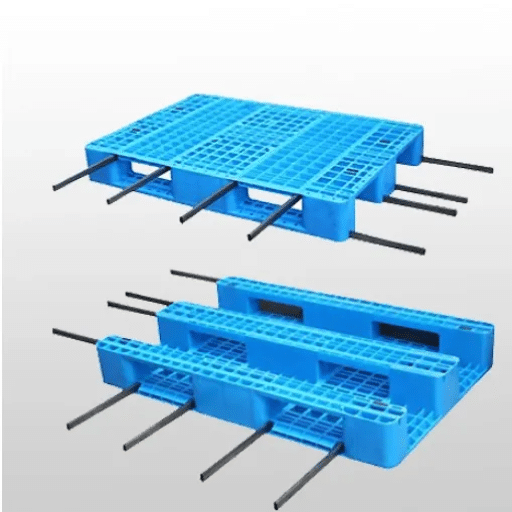
Load Capacity and Stability
Load capacity is perhaps the most critical feature. It is typically defined in three ways:
- Static Load:The maximum weight a pallet can hold when at rest on a solid surface. Reinforced pallets can often support over 20,000 lbs statically.
- Dynamic Load:The maximum weight a pallet can hold while being moved by a forklift or pallet jack. This is usually lower than the static load.
- Racking Load:The maximum weight a pallet can support in a racking system without any central support. This is the most demanding requirement, and where reinforcement is most crucial.
The stability provided by reinforcement ensures that the pallet does not bend or sag under load, which is essential for safe stacking and racking.
Dimensions and Design: 40 x 48 vs. Other Sizes
The 40 x 48-inch pallet is the de facto standard in North America, widely used across many industries. This standardization facilitates compatibility with handling equipment and transportation systems. However, other sizes are available to meet specific needs, such as for international shipping or handling uniquely shaped products.
The design of the pallet, including features like a 4-way entry for forklifts and an open or closed deck, also affects its functionality. A closed deck provides more surface area and is easier to clean, while an open deck is lighter and allows for better drainage.
Durability and Long-Term Reliability of Pallet Materials
Reinforced pallets are built for the long haul. The high-density polyethylene (HDPE) or polypropylene (PP) used in their construction is resistant to wear and tear. The addition of reinforcement rods prevents the plastic from fatiguing or warping over time, even with continuous use in demanding environments. This long-term reliability results in a lower total cost of ownership, as the need for frequent replacements is eliminated.
Innovations in Pallet Reinforcement Technologies

Fiberglass and Steel Reinforcement Methods
The two most common methods for reinforcing plastic pallets involve embedding rods into the pallet structure.
- Steel Reinforcement:Steel rods are inserted into the pallet’s deck and/or base during the manufacturing process. This significantly increases the pallet’s rigidity and racking capacity, making it suitable for weighty loads. Steel offers excellent strength but adds considerable weight to the pallet.
- Fiberglass Reinforcement:Fiberglass rods are a lighter alternative to steel. They provide substantial reinforcement without adding as much weight, which can help reduce shipping costs. Fiberglass is also non-corrosive and does not conduct electricity, which can be an advantage in specific environments.
The choice between steel and fiberglass depends on the specific balance of strength, weight, and cost required for the application.
New Materials Enhancing Pallet Performance
Beyond traditional reinforcement, material science is introducing new possibilities. Composite materials, which blend plastics with other materials such as wood fibers or recycled materials, are being developed to offer enhanced performance. These materials can offer a unique combination of strength, weight, and sustainability, often at a competitive price. Research is also ongoing into advanced polymers that have inherent strength, potentially reducing the need for separate reinforcement elements.
Case Studies of Successful Reinforced Pallet Implementations
Many companies have realized significant benefits by switching to reinforced plastic pallets.
For example, a major automotive manufacturer transitioned from wooden pallets to steel-reinforced plastic pallets for transporting heavy engine components. The result was a dramatic reduction in product damage and a safer working environment. The durability of the plastic pallets also led to substantial long-term cost savings, as they outlasted their wooden counterparts by a wide margin.
In another instance, a large grocery chain adopted reinforced plastic pallets for its distribution centers. The uniform size and weight of the pallets improved the efficiency of their automated storage and retrieval systems (AS/RS). The improved hygiene of the plastic pallets also helped them comply more easily with food safety regulations. These case studies highlight the tangible returns that can be achieved through a strategic investment in high-quality pallets.
Considerations for Selecting the Right Reinforced Pallet

Evaluating Rackable vs. Non-Rackable Options
- Rackable Pallets:These are designed with the necessary structural support to be safely stored in pallet racks. They typically feature bottom runners and are continually reinforced to prevent sagging. If your warehouse uses a racking system, rackable pallets are a necessity.
- Non-Rackable Pallets:Often called “stackable” or “nestable” pallets, these are designed for stacking or floor loading. They are generally less expensive but cannot be used in racks. Nestable pallets are particularly space-efficient when empty, as they fit inside one another.
Assessing Environmental Factors in Shipping
Consider the environmental conditions your pallets will face. Will they be exposed to extreme temperatures, moisture, or corrosive chemicals? Plastic pallets are inherently resistant to many of these factors, but the type of plastic (HDPE vs. PP) can affect resistance. HDPE is more flexible and performs well in cold temperatures, while PP is stiffer and better suited for warmer climates.
Cost-Benefit Analysis of Reinforced Pallet Investments
While reinforced pallets have a higher initial purchase price than wood or standard plastic pallets, their long-term value is often far greater. To conduct a cost-benefit analysis, consider:
- Lifespan:Reinforced pallets can last for many years and hundreds of trips.
- Reduced Product Damage:Their strength protects your goods from damage.
- Operational Efficiency:Consistent dimensions improve automation and handling speed.
- Safety:Reduced risk of pallet failure leads to a safer workplace.
- Resale Value:Used plastic pallets often retain some value and can be sold or recycled.
When these factors are considered, the higher upfront cost is frequently justified by the total cost of ownership.
Future Trends in Pallet Technology

Emerging Innovations in Reinforced Pallet Design
The future of pallet design lies in smarter, more connected solutions. We can expect to see pallets integrated with IoT (Internet of Things) technology, such as RFID tags or GPS trackers. This will enable real-time tracking of shipments, monitoring of environmental conditions such as temperature and humidity, and improved inventory management.
Designs will also continue to become more lightweight without sacrificing strength, thanks to advanced modeling software and new composite materials. This will further help reduce transportation costs and carbon emissions.
Impact of Sustainability on Pallet Production
Sustainability is a major driver of innovation in the pallet industry. There is a growing demand for pallets made from recycled materials. Many reinforced plastic pallets are already manufactured using recycled plastics, and at the end of their long life, they can be ground down and recycled again to create new pallets. This creates a closed-loop system that minimizes waste and conserves resources.
The industry is also exploring bio-based plastics and other eco-friendly materials to reduce the environmental footprint of pallet production further.
Predictions for the Future of Logistics and Shipping
Looking ahead, logistics will become increasingly automated and data-driven. Reinforced pallets, with their consistent dimensions and durability, are ideally suited for the computerized warehouses of the future. Their ability to be integrated with smart technologies will make them a key component of a more visible and efficient supply chain. As companies strive for greater resilience and efficiency, the role of high-performance pallets will only become more critical.
Frequently Asked Questions (FAQs)
What is a reinforced pallet, and how does it ensure stability?
A reinforced pallet is designed with additional materials, such as steel reinforcement, to enhance its stability and durability. This type of pallet can support heavy loads while maintaining structural integrity during transportation and storage. The reinforcement allows the pallet to withstand significant weight without warping or breaking. Additionally, a reinforced pallet can offer greater resistance to environmental factors, making it suitable for a range of applications. Manufacturers often use durable materials, such as high-density polyethylene, for these pallets, ensuring they last longer in demanding conditions. The design considerations for these pallets include load distribution and rack compatibility.
How does a plastic pallet compare to wood pallets?
Plastic pallets offer several advantages over traditional wood pallets, including better hygiene and greater chemical resistance. Unlike wood pallets, which can harbor pests and bacteria, durable plastic pallets are easier to clean and maintain. They are also less susceptible to moisture damage and can withstand heavy loads without splintering. Moreover, plastic pallets are often designed to be stackable, optimizing storage space. While wood pallets may be less expensive initially, plastic pallets’ longevity and durability can make them a more cost-effective choice in the long run. Additionally, plastic pallets can be engineered for specific applications, including RFID integration for inventory management.
What are the benefits of using steel reinforcement in pallets?
Steel reinforcement in pallets significantly enhances their load-bearing capacity and overall reliability. This added strength allows them to endure heavy loads without compromising structural integrity, making them ideal for industrial applications. Reinforced pallets can also improve safety during material handling and transportation, reducing the risk of breakage. Moreover, the use of steel allows for a lightweight design, which facilitates easier handling with pallet jacks. This combination of strength and flexibility makes reinforced pallets suitable for a wide range of environments, including warehouses and distribution centers. The durability of steel reinforcement also contributes to the longevity of the pallets.
How can I obtain a quote for reinforced pallets?
To obtain a quote for reinforced pallets, contact manufacturers or suppliers specializing in material handling solutions. Many companies provide online forms where you can specify your requirements, including quantity, dimensions, and any specific design considerations. Be sure to mention if you need additional features, such as molded-in logos or RFID capabilities. The more details you provide, the more accurate your quote will be. Some suppliers also offer bulk discounts, so it’s beneficial to inquire about pricing for larger orders. Once you receive the quote, you can compare options to find the best solution for your needs.
What load capacity should I consider for my pallet needs?
When determining the load capacity for your pallet needs, it’s essential to evaluate the types of products you will be transporting and storing. Reinforced pallets are available in various weight capacities and are often designed to accommodate heavy loads effectively. Consider the total weight of your unit load, including any packaging materials. Additionally, assess how the pallets will be handled and whether they will be used in racking systems. It’s also crucial to account for dynamic loads during transportation, as these can differ from static loads. Consulting with an engineer can provide valuable insights into optimal load capacities based on your specific usage and demands.
Are reinforced pallets suitable for outdoor use?
Yes, reinforced pallets can be suitable for outdoor use, particularly those made from durable plastic or treated wood. These materials offer resistance to weather elements, ensuring the pallets can withstand exposure to moisture and UV rays. Moreover, the steel reinforcement provides added strength, enabling it to withstand heavy loads without succumbing to environmental stressors. For outdoor applications, it’s crucial to select pallets specifically designed for such conditions, as they will have the necessary durability and resistance. Additionally, using stackable designs can optimize space and facilitate easier transport and storage outdoors.