For industrial shipping and storage, it is important to know about the quality of pallets since this will directly impact efficiency, costs, and safety. The Grade C pallet is one of the most popular pallet classifications in the Global Material Handling (GMA) system. Our guide is intended to give a complete analysis of Grade C pallets by discussing their specifications, qualities, and their contributions to supply chain movements. If you are running a warehouse, managing logistics, or simply trying to maximize your operations, the GMA pallet grading will provide you with essential knowledge about which pallets to choose for your requirements. The article will highlight the major differences among the grades of pallets and will also discuss the pros and cons of using Grade C pallets in certain applications.
Understanding GMA Pallet Grades
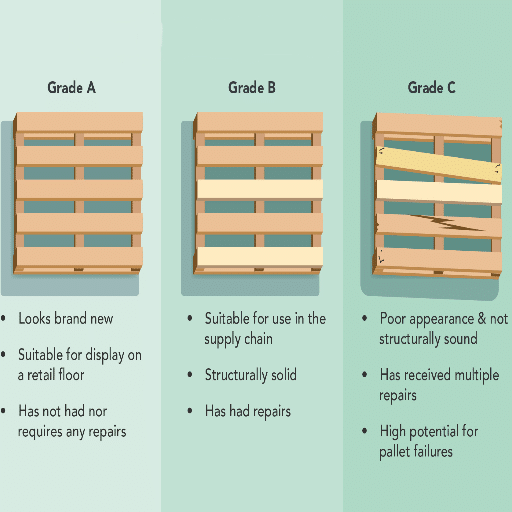
Grading of GMA pallets is a simplified process that classifies pallets according to their condition and application in different operations, which makes their selection and standardization easy. Pallets are mainly graded into three classes: A, B, and C, where each represents a different level of quality:
- Grade A pallets are the ones that have the best condition and are often brought back to life and sold as new at high-performance standards. They show no signs of use, are of a very solid structure, and are excellent for industries where premium-quality pallets are a must.
- Grade B pallets are those that are already used but still serviceable. They are the ones with the most signs of wear, like the fact that they might have had their stringers or deck boards replaced or repaired, but they are still good for general-purpose use.
- Grade C pallets are found to be the worst, having significant wear or extensive repair done. They are usually disposed of for one-time or light applications predominantly.
The selection of the right grade is determined by the operational requirements, and factors like cost, durability, and load capacity are weighed in the process.
Introduction to GMA Pallets
The term GMA pallets, an abbreviation for Grocery Manufacturers Association pallets, refers to the most common and accepted type of pallet in North America, which is widely used in the retail and wholesale sectors for its uniformity and productivity. Pallet dimensions are set at 48 inches by 40 inches, thus having the same design across the board and making it easy to manage the flow of goods in storage, transport, and distribution. GMA pallets are made mostly of wood and are designed to provide either partial or full four-way forklift access, which means they can be used with almost any other equipment for handling materials.
GMA pallets usually weigh from 33 to 48 lbs and are built to carry dynamic loads of 2,500 lbs and static loads of up to 5,500 lbs. The pallets are also sorted into grades A, B, or C according to their physical condition, the type of repairs done on them, and their intended use. Grade A is the best with slight wear and tear, while Grade C is the worst in terms of wear and tear, to be used for a limited purpose only. This system of classification not only helps the companies to choose the pallets that meet their specific needs in terms of cost, durability, and operation, but also contributes to the overall efficiency and environmental friendliness of supply chain logistics.
What are GMA Pallet Grades?
The GMA pallet grades represent a system of classification that is employed to evaluate the condition of pallets for usability in accordance with the standards set by the Grocery Manufacturers Association (GMA). The grades—A, B, and C—are assigned on the basis of different parameters like wear, repairs, and structural integrity. Grade A pallets or “premium” pallets are the ones that are in perfect condition with very few physical changes and exact measurements, which makes them suitable for the most demanding operations. Grade B pallets are those that have undergone moderate aging and have more noticeable repairs, but are still functional for general use in applications that are not too demanding. Grade C pallets are the ones that have been through heavy repairs and have obvious damage or inconsistencies; they are often suited for one-way shipping or low-priority tasks. This system of grading operates such that businesses can smoothly pick pallets that not only match their logistical requirements but are also within their financial limits.
Importance of Grading in the Supply Chain
Grading is an essential part of the supply chain as it makes the selection of materials based on their quality, functionality, and cost easier. The proper grading of components like pallets then leads to the strategic allocation of resources, which in turn decreases waste and increases production. For instance, the top pallets can be set aside for the most critical operations where precision and reliability are a must, while the pallets of lower quality can be used for the less intensive operations, being cost-sensitive, such as the one-way shipments. This not only brings down the operational costs but also allows for the productivity to rise as the right tools are used in the appropriate applications.
Moreover, grading is said to contribute to sustainability trends by giving materials more life. Items that are repaired or downgraded are still being used, but as something else, thus saving the environment and at the same time cutting down the costs of new materials. In addition, the use of a consistent grading system is effective in being a standard across various supply chain functions; it hence drives better forecasting, inventory management, and alignment with the industry standards through all those functions. The end-of-the-line benefits of grading, when it is well executed, are the improved performance of the supply chain and the realization of economic and environmental sustainability in the long run.
Characteristics of Grade C Pallets
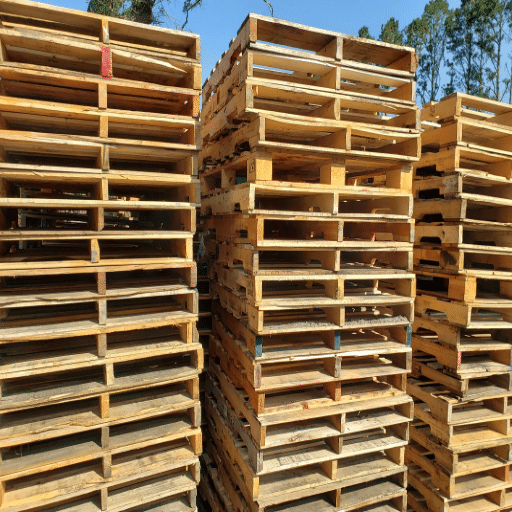
Grade C pallets are very much low-grade pallets and usually find their place in one-way shipping or in resources where durability is not the most important thing. These pallets have often been made from recycled materials and may have undergone several repairs, such as patched or replaced deck boards. They are indeed less structurally sound than the higher grades, but still, they can carry lightweight or non-critical loads. They are economical, but their life is short, thus making them great for interim use or for just one-trip disposals.
Defining Grade C Pallet Specifications
Grade C pallets are often called “economy” or “utility” pallets and are usually made with the help of dismantled parts of retired pallets or even repaired ones. With different kinds of stringer and deck board repairs, these pallets are usually reinforced by using plates or companion stringers. The overall wood quality of these pallets is comparatively lower, and very visible wear, discoloration, and even cracks are common in them.
The industry-standard Grade C pallets are sized 48×40 inches, though there are size variations. They are not heat-treated automatically unless there is a specific request, thus making them unfit for export without additional treatment. The typical load that these Grade C pallets can carry is less than that of the higher-grade pallets, with an average of 1,200 to 1,500 pounds for static loads, although this depends on the general construction quality. Nowadays, Grade C pallets are a popular choice for non-critical applications, single-use transport, or as one-way shipping solutions mainly because of their low price and easy availability in the market.
Comparing Grade C with Grade A and Grade B Pallets
Grade A Pallets Grade A pallets are marked as the best quality, usually made from new or almost new wood, with very little, if any, repair or cosmetic damage. Their construction and high capacity, which generally exceed 2,500 pounds for static loads, make them very dependable for critical applications. They find extensive use in the industries of pharmaceuticals or food distribution that demand durability and precision.
Grade B Pallets Grade B pallets are such pallets that are refurbished or repaired and exhibit more visible wear compared to Grade A, but are still sound structurally. Repaired stringers or plates may be included, and they are suitable for heavy-duty use, though their load capacity is slightly lower than Grade A pallets, generally between 1,500 and 2,200 pounds. Grade B pallets are the common middle ground for businesses wanting to meet both cost and performance requirements.
Grade C Pallets this comparison, the C pallets carry the lowest price tag and show the highest wear and tear, frequently with various repairs or lousy quality wood. Their load capacity and durability are considerably less than A and B grades, thus making them suitable for cost-sensitive, non-critical uses like one-way shipments. Although Pallets A and B serve high-load, reusable applications, the C pallets are only fit for temporary or disposable needs because of their fragile structure.
Common Uses for Grade C Pallets
In many instances where cost-benefit is more important than durability and structural strength, Grade C pallets are the best choice, and that is exactly what they are. It is the case that Grade C pallets are mainly used for one-way shipments, especially when the sender does not intend to get the pallet back. These pallets are used a lot in agricultural, construction, and recycling sectors for non-fragile goods that are to be moved with little protection. Moreover, Grade C pallets are frequently used as light storage or dismantled for making DIY projects like furniture or crafts. Their low price and abundant availability make them an economic choice for temporary or low-priority applications where low capacity and shorter life time are not critical factors.
Pallet Management and Lifespan
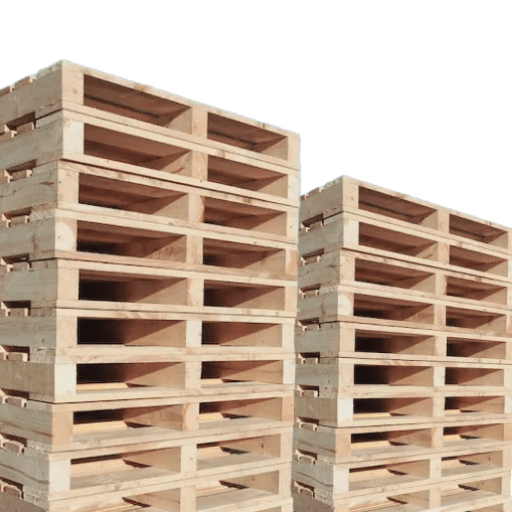
The proper management of pallets is crucial for maximizing their life while keeping safety and cost at a good level. To this end, regular inspections should be done mainly to detect damage such as cracks, broken boards, or loose nails. Besides, the damaged pallets should either be repaired quickly or taken out of the flow to avoid accidents or load unsteadiness.
The average life span of a pallet is contingent on several factors, including the kind of material used, the intensity of the usage, and the environmental conditions. Wood pallets, for example, can survive 5 to 7 years if properly handled and maintained, but their lifespan is drastically reduced with the overuse or lack of good storage conditions. A pallet tracking system is a very effective way to know the monitoring of the usage patterns, rotations, and repair needs, which in turn will help the businesses to optimize the resources and cut down on the replacements.
Managing Grade C Pallets in Your Warehouse
Grade C pallets, commonly known as “repair grade,” are usually made of recycled parts and might have been subjected to many repairs and adjustments over the years. These pallets are appropriate for light loads and non-critical use and are thus a cheaper solution for industries with less severe requirements. Even though they are not expensive, they still need to be handled with care and especially managed to be safe and to work efficiently in a warehouse.
Regular inspections and maintenance schedules are among the key points to consider when handling Grade C pallets. There are studies that show preventive maintenance can add 20% to the useful life of such pallets.
Warehousing environments should be the ones to practice proper storage first and foremost in order to prevent pallets from getting too moist, which leads to decay of the wood, and from getting too hot, which results in the weakening of the structure.
Moreover, it is suggested that Grade C pallets should be used only with lighter loads to avoid breakage during transport or storage. The data from the industry indicates that Grade C pallets can support an average load of around 1,500 pounds, depending on how they are built and their condition. In this way, the risk will be reduced and the downtime resulting from pallet failure will be lessened when warehouses assign these pallets only to those tasks that are within their load-bearing limits.
To enhance the use of Grade C pallets, some warehouses are now using pallet pooling services or tracking systems. These solutions are monitoring the rotation of pallets, the cycles of repair, and the total amount of utilization, and they are giving comprehensive insights for the improvement of operational efficiencies. Technological integration means the cost savings and the reliable functional performance of Grade C pallets are balanced.
Expected Lifespan of Grade C Pallets
The lifespan of Grade C pallets highly depends on the material used, usage frequency, weight limit, and the climate they are kept in. Generally speaking, a Grade C pallet made of recycled or lower-grade wood will only be able to survive approximately 3-5 trips under normal operating conditions, and if these pallets are already overloaded or not handled correctly, the lifespan can be even shorter. Inspection and repair, on the other hand, will prolong their “active” life by ensuring that the pallets perform well and that the companies will not have to replace them prematurely. Moreover, best practices that include storing the pallets away from moisture and ensuring that they are not overloaded can help the Grade C pallets retain their strength for a longer duration.
Maintenance Tips for Longevity
Regular maintenance and following best practices are important for the longevity of Grade C pallets. Start with the routine inspection that will lead you to the detection of cracks, splinters, and loose nails, and then solve the problem immediately to avoid more damage. Place the pallets in a dry, cool location to lessen the impact of moisture, which could otherwise result in wood weakening and mold growth. On the other hand, proper stacking of pallets and avoiding excessive loads can eliminate the possibilities of warping and strain on the structure. In case of outdoor usage, think of adding waterproof coatings or covering the pallets with tarps as an extra measure. Finally, teaching workers the right ways of handling, for instance, the proper lifting of pallets and even load securing, can make a significant difference in their lifetime and efficiency over the years. All these efforts together not only minimize the expenses related to the purchase of new pallets but also help to make the operation run very smoothly.
Pallet Specifications and Sizes

Pallet specifications and dimensions vary according to regional norms and the purposes they are going to be used for. In North America, the most prevalent pallet size is 48×40 inches, which is commonly referred to as the GMA standard pallet. This size is largely accepted in the retail and manufacturing industries.
The European standard (EUR or EPAL) pallet of 1200×800 mm and the Australian pallet of 1165×1165 mm are two examples of dimensions that are used worldwide. These numbers correspond to the global requirements in logistics, such as, for instance, the need for compatibility with shipping containers and storage systems in warehouses.
Before deciding on the pallet size, factors like load weight, the nature of the product, and equipment compatibility need to be weighed carefully to reap the maximum benefit in terms of supply chain efficiency.
Standard Sizes for GMA Pallets
GMA pallets (also known as GMA-standard pallets) are the most widely used in North America for general-purpose shipping and storage. Their specifications have been defined by the Grocery Manufacturers Association. The default dimensions for GMA pallets are 48×40 inches (1219×1016 mm). The construction of these pallets generally involves the use of hardwood or softwood and includes the four-way entry design, allowing perfect compatibility with virtually all forklifts and pallet jacks.
The maximum load that GMA pallets can satisfactorily support in the case of a static weight is 2,500 pounds (1,134 kg) uniformly distributed, while in the case of dynamic usage, the limit is about 1,500 pounds (680 kg). The standard approach assumed in the construction of these pallets is the use of top and bottom deck boards, stringers, and block style, which makes them strong and easy to handle. Their sizing standards assure the use of GMA pallets in containerized shipping and warehouse facilities, which in turn maximizes the supply chain operation and cuts down on handling expenses.
Before the shipment of a GMA pallet, it is necessary to check whether the pallet is already ISPM-15 compliant for international shipment. Non-compliance will lead to delays and incur extra costs due to the need for further inspections and treatments to remove the pests and pests eggs that may have been introduced during transport.
Choosing the Right Pallet for Your Business

Choosing the perfect pallet for your company demands consideration of several major factors, such as the material, load capacity, the size of the pallet, and its compatibility with your operations. Take a good look at the materials first—wood, plastic, and metal. Wooden pallets are the most economical option and are the most accessible, but they can also splinter and lose their quality over time. On the other hand, the plastic pallets are more expensive, but they are very strong, light in weight, and impervious to moisture; thus, they can be used for the transportation of hygienic products. Metal pallets are the strongest of all and can be used in the industrial sector where heavy loads are handled, but they also have high costs and are heavy.
Make sure that the size of the pallet coincides with your supply chain logistics, specifically with the regional pallet standards. For example, in North America, 48 x 40-inch GMA pallets are very common, but in some regions, Euro pallets or custom sizes might be preferred. Moreover, check the weight capacity to be sure it coincides with your load requirements, adding safety margins for stacking and handling. Compliance with relevant regulations, such as ISPM-15 for the international shipping of wooden pallets, and industry-specific requirements like FDA-approved pallets for food and pharmaceuticals must also be taken into consideration. All these factors will guide you to the most efficient and cost-effective solution that is customized to your business needs.
Wood vs. Plastic Pallets: Which to Choose?
In contemplating the choice of wooden or plastic pallets, one must weigh factors such as durability, price, reusability, and the specific requirements of the industry. The use of wooden pallets is still common because they are cost-effective and have great load-bearing capacity, which makes them ideal for shipping large quantities of goods at once or for heavy items. When they get damaged, they can be fixed easily and are also recycled, although they might attract moisture and germs and be roughly treated in the food or pharmaceutical sectors.
On the contrary, plastic pallets are very strong, do not get spoiled by water, and are always of good hygiene. They are lighter, can be used for long periods, and thus, in the case of closed-loop systems, their total cost might be lower. However, their higher initial cost and possible negative environmental impact from production may put some customers off. In the end, it is a matter of operational priorities; wood pallets are best for their low cost and short-term use, while plastic pallets are selected for their long-term durability and cleanliness.
Choosing the Right Pallet for Your Business
The perfect palette for your company varies according to your precise operational needs. If the price and temporary usability are your main concerns, wooden pallets will be good both as a practical and an economical option. On the other hand, if you need to maintain the pallet’s durability, moisture resistance, and cleanliness over a long period of time, then the plastic pallets will fit your requirements better. You should look at your budget, how often you will need the pallets, the storage conditions, and the transportation requirements to come up with a decision that is in line with your business goals.
Factors to Consider When Selecting Pallets
The choice of pallets for your activities must be made by considering various factors that will lead to the desired results and thus ensure that the process runs smoothly, is eco-friendly, and is economical. The following are the points that are a must to consider, with the details to help you make up your mind:
Material Composition: The main types of pallets are wood, plastic, metal, and, in some cases, cardboard. The market for wooden pallets is the largest, with their prices as low as $11-$13 and availability almost everywhere, but they do tend to get splinters and are likely to be infested by worms unless they undergo proper treatment. Plastic pallets, on the other hand, are much more expensive (costing anywhere between $25-$45), but they are long-lasting, moisture-resistant, and up to the required hygiene standards, which makes them fit for the pharmaceutical or food production industry. Metal pallets, likewise, are over $100 a piece but offer the highest strength and durability, making them the best option if the product is bulky, and are great for the chemical industry, where they have to be under extreme conditions.
Load Capacity and Durability: The weight the pallets carry is the most important aspect. The standard wood pallets of 48×40 inches in size, like the GMA pallets, can bear dynamic loads of up to 2,500 lbs. Plastic pallets are on par with the same load-carrying capacity, but they are the main winners in being resistant to environmental degradation; thus, they maintain their structure even under many usage cycles. Metal pallets, on the other hand, are capable of supporting even more weight; thus, they are the best solution for industries that deal with heavy loads, but their higher price makes them less frequent in use.
Hygiene and Sustainability Requirements: Hygiene issues are very important in the case of the food, pharmaceutical, or medical equipment industries. Smooth surfaces and easy cleaning make plastic pallets acceptable for the highest sanitation standards. Apart from being reusable, these pallets are also recyclable, thus raising the level of sustainability. In contrast, wooden pallets need heat treatment or fumigation in order to be eligible for international standards such as ISPM-15 for export. However, being able to repair wooden pallets makes them more environmentally friendly.
Storage and Environmental Conditions: The storage conditions are very important in deciding the type of pallet to use. Wooden pallets, for instance, will crack or decay in places with a lot of moisture, but plastics will still be the same. There should be a consideration of temperature changes as well, since high or low temperatures can have different effects on the materials—for instance, plastic can become hard at below-freezing temperatures unless it is specifically designed for such conditions.
Cost and Lifecycle Economics: Cost per unit is an important criterion for many buyers, but the total costs over the entire lifespan of the product should also be considered. Wood as a material for pallets is very cheap, but they have a tendency to be constantly replaced or repaired due to the wear and tear coming from heavy use. In contrast, plastic pallets with an expected life of hundreds of cycles often yield a lower total cost per use in spite of the fact that their initial cost is higher. It is advisable to carry out a total cost of ownership (TCO) analysis to ascertain which type of pallet will give the best value in your particular operational environment.
Compliance with Regulations: Regulatory burdens are the most important constraints when selecting pallets for certain industries. For instance, the FDA and USDA have guidelines for food-grade pallets with tight specifications that make plastic pallets even more justified in this case. Also, wooden pallets used in international shipping must comply with ISPM-15 standards, which is why checking the specs beforehand and assuring that they conform to your needs is critical.
By standardly analyzing these aspects and introducing them into the operational parameters, the companies can make a wise choice of pallets that will lead to increased efficiency in supply chains while also keeping safety, cost-effectiveness, and environmental friendliness.
How Grade C Pallets Differ from Other Types
Grade C pallets are mainly lower in quality and less suitable for certain uses than the other types of pallets. I think these pallets are usually recycled or repurposed several times, which leads to their lower structural integrity compared to Grade A or B. The use of visible repairs like re-boarded and re-plated is common and, in general, those pallets are used for non-demanding applications where look and maximum durability are not the main factors. Grade C pallets are cost-effective but are still not fit for other uses like back-and-forth shipment or internal storage, which are less massive weight-loads, securing their place in one-way shipping.
Pallet Sizes and Their Impact on Usage
The sizes of the pallets play a major role in their performance and selection for certain purposes because they set the limits of the areas where they can be used with other equipment, for transport, and for the acceptance of global standards. In North America, the 48 x 40-inch pallet is the most prevalent one, and it is often called the GMA (Grocery Manufacturers Association) pallet, as the dimensions are standardized and it is therefore extensively used in retail and food industries. The Europe region mainly has the Euro pallet, which measures 1200 x 800 mm, and is very much compliant with strict EPAL regulations, thus ensuring quality and compatibility across the European supply chain.
Moreover, the 42 x 42-inch or 48 x 48-inch pallets are other sizes that are especially designed for the beverage or chemical industries, where certain product dimensions demand alternate designs. In addition, custom sizes can be produced to meet unique shipping requirements, but these may lead to higher costs and issues with the interoperability of standard systems.
Pallet size has a significant impact on the optimization of storage and transportation efficiency. The right-sized pallets help to utilize the space in shipping containers and warehouse racks to their fullest extent, thus cutting down logistics costs. On the other hand, using pallets that do not match in size or that are not of standard size can result in inefficient loading and handling, along with the increased risk of damage and compliance problems in international trade. Hence, the choice of the pallet size is a very important decision that directly influences the efficiency of the supply chain and the cost-effectiveness of the operations.
Reference Sources
Frequently Asked Questions (FAQs)
What Are Grade C Pallets?
Usually, Grade C pallets are described as pallets that are at the point of their useful life but still fit for certain uses. They often show repairs, might be without parts, and are typically not used for movements of high-value goods. Their area of usage is mostly in the number of applications where the aesthetics and strength of pallets have less bearing.
How Do Grade Pallets Differ?
Depending on their state of wear, pallets are classified under various grades. A case in point is the classification of grade A pallets as being in excellent condition, while grade B pallets have been used a little and are still working. However, one may consider grade C pallets as being in a state of significant wear and tear and therefore, low-risk applications, for instance, are the only ones that can provide the functionality.
What Are GMA Pallet Grades?
For the food and beverage industry, standards for which pallets might be used are very strict, and the major factor contributing to the high cost of the pallets is the waste of the associations with GMA. GMA pallet grades consist of A, B, and C, with each grade having certain requirements about quality, the number of repairs, and suitability for various goods.
How Are Grade C Pallets Used in the Supply Chain?
In the shipping and logistics industry, these pallets are frequently the ones that are carrying or storing cheaper products. It is not a common thing that a consumer brand that is associated with high quality and good pallets would use them, but they still have a place in the less exacting world.
Can I Use Grade B Pallets for High-Value Goods?
They are better than grade C and may be allowed for some goods, but grade B is not suitable for high-value items. The best option would be grade A pallets, which have the quality and durability required by the highest standard.
What Are the Common Types of GMA Pallets?
The most common types of GMA pallets consist of the regular one that has very specific measurements, and it is made to last long. Other kinds might be specialty pallets that are made for particular industries or products. The knowledge of these types assists in the selection of the proper pallet for your needs.
Where Can I Find a Reliable Pallet Supplier?
There are numerous manufacturers and suppliers who deal with grade C pallets and other grades as well. It is critical to pick a good-quality pallet supplier who is experienced in the pallet industry and is able to direct you to the appropriate pallets depending on their state and your needs.
What Are the GMA Pallet Dimensions?
GMA pallets have fixed sizes, the most common being 48 x 40 inches. The whole industry adheres to these measures, and thus they are also significant for the easy use of forklifts or pallet jacks during the transport and storage of the goods.
What Types of Repairs May Be Needed for Grade C Pallets?
Grade C pallets can comprise different kinds of issues, such as broken boards, re-nailing fasteners, and, finally, in some cases, adding extra supports. Most of the manufacturers do not sell grade C pallets without having repaired them first; the reason is that they are usually refurbished to the point where they are user-friendly.