The contamination of our oceans with plastic is one such environmental challenge that has become very hard to handle, and with a huge impact on the marine ecosystems, biodiversity, and human health. The annual influx of plastic waste into the ocean is as heavy as millions of tons and affects marine life negatively by destroying the natural habitats and killing many marine species. Nevertheless, this problem cannot be solved by cleaning up alone; it requires a whole range of innovative approaches starting from its source. The text delves into how the recycling of marine plastics is one of the ways through which one can deal with the problem of oceanic plastics to a great degree. The process of turning plastics that are discarded into resources that are useful not only lessens the impact on the environment but also gives rise to scalable methods that will replace virgin plastic production. The article will open up the readers’ minds to the way recycling of marine plastics works, the difficulties and the innovations made in this area, as well as its potential to change the whole plastics scenario towards a sustainable future.
Understanding Marine Plastics

The term “marine plastics” pertains to those synthetic polymers that somehow find their way into the ocean, due largely to improper waste disposal, littering, or industrial discharges. These plastics range from large debris to microplastics (those smaller than 5mm), which pose a serious threat to marine ecosystems by either being ingested by or entangling marine organisms. These plastics last for ages and are non-biodegradable. Thus, they end up disturbing food webs and ecosystems on a global level. Solutions for this issue should involve the improvement of waste management systems, promotion of recycling, and creation of alternative materials that would help lessen the use of single-use plastics.
What Are Marine Plastics?
Anything made of plastic discharged into water bodies or shorelines can constitute marine litter, emanating from land- or water-based sources. Sources include rivers discharging into the sea, improper waste disposal, industrial runoff, discarded fishing gear, and ship activities. In the ocean, plastic items first enter a marine setting where they can exist for hundreds of years due to their non-biodegradable nature, while pieces of them will mechanically, chemically, or biologically slowly disintegrate into microplastics. These fragments then drift with currents, concentrating at certain points, such as the Great Pacific Garbage Patch. The widespread presence of marine plastics poses an immediate threat to marine animals and habitats, disrupts ecosystems, and introduces toxins into the food chain, thereby affecting human health and economic activities. Tackling the problem requires integrated global efforts to ensure stricter regulations are put in place, to ensure innovations in waste management technologies, and to promote a circular economy system for reducing plastic waste generation.
Sources of Ocean Plastic Pollution
There may exist two secondary origins of oceanic plastic pollution: land-based and sea-based. Given that 80% of plastic marine pollution originates from land, this category includes plastics generated from mismanaged waste with single-use plastics or packaging, or microplastics generated from industrial processes and consumer products. Urban runoff, along with littering and an inefficient waste disposal system, is all responsible for plastics trickling into smaller streams and rivers and then finally into the ocean.
And now the remaining 20% of pollution enters mainly through the fishing activity, shipping, and offshore industry. Fishing gear that gets lost or discarded is normally referred to as ‘ghost gear’ and constitutes a considerable portion of this category. Besides, plastics are also released in the sea by chance during maritime operations, or rather, from careless waste disposal on board ships.
Any universal waste management solution calls for an inextricable need for solutions in waste management, for sustainable investments in sustainable materials, and for some global collaboration to prevent plastic infiltration into the marine environment.
| Pollution Source | Percentage | Main Contributors |
|---|---|---|
| Land-Based Sources | 80% | Mismanaged waste, single-use plastics, urban runoff, industrial processes |
| Sea-Based Sources | 20% | Fishing gear (ghost gear), shipping activities, offshore industries |
Impact on Marine Life and Ecosystems
This is the phenomenon of marine plastic pollution occurring everywhere very big threat to marine life and ecosystems. Marine organisms, even just plankton and huge mammals, risk ingesting or getting entangled in plastic debris. Microplastics are mistaken for food, creating digestive blockage in these animals, malnutrition, and sometimes death. Larger debris, such as abandoned fishing nets, will entangle species such as sea turtles and seals, causing injury, restriction of movement, or drowning.
Equally severe are ecosystem impacts, for they alter habitats and disturb ecological balance. Coral reefs are physically abraded by plastics, and filter feeders ingest microplastics that result in a cascading effect on the food webs. Marine plastics quite literally may facilitate the dispersal of invasive species and harmful pathogens, worsen biodiversity loss, and undermine ecosystems. These questions demand urgent global policy intervention, an investigation into alternatives to plastics, and active restoration of the affected ecosystems.
The Importance of Recycling Ocean Plastic
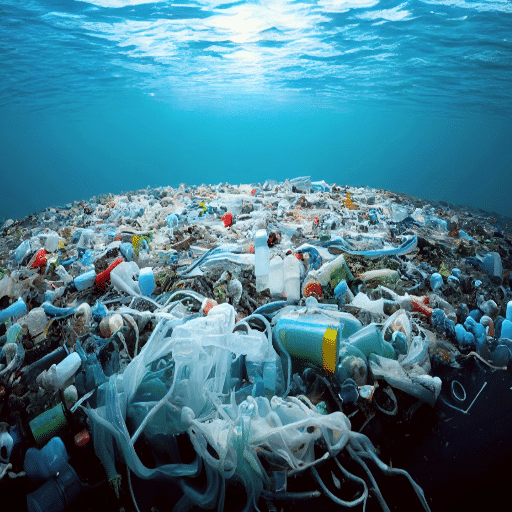
Recycling ocean plastics must be an urgent priority to limit environmental damage and protect marine ecosystems. We reduce pollution, prevent harm to be prevented to marine organisms, and limit the accumulation of microplastics in the food chain by collecting plastics from the ocean and giving them a new life. Recycling ocean plastic can also cut down on the production of virgin plastics; this tends to conserve myriad natural resources and reduce greenhouse gas emissions. Thus, a successful recycling program should be big, use advanced recovery technologies, and, most importantly, work with governments, industries, and local communities.
Benefits of Recycling Marine Plastic Waste
Recycling marine plastic waste yields a large variety of environmental, economic, and societal benefits. In environmental terms, the process reduces ocean pollution, lessens damage to marine ecosystems, and hinders the dispersion of microplastics in the water. These microplastics interfere with aquatic food chains and bioaccumulate in marine species. Recycling also helps minimize the need for virgin plastics, which supports the preservation of scarce fossil fuel resources and greatly reduces greenhouse gas emissions resulting from the manufacture of plastics.
Economically, reprocessing marine plastics into recyclables supports the creation of circular economy systems. Circular economy systems generate revenue streams while rendering waste management less costly and stimulating the inception of green innovation in manufacturing processes. Moreover, there will be opportunities for job creation in setting up and running recycling systems, thus building up local economies.
On a societal level, the recycling of marine plastics enhances global collaboration by encouraging partnerships among researchers, industries, governments, and communities. Successful programs increase public awareness about plastic pollution and promote sustainable consumption practices. Thus, investment in scalable technologies, better collection systems, and international policies is a must if these benefits are to be maximized.
| Benefit Category | Key Advantages | Impact |
|---|---|---|
| Environmental | Reduced ocean pollution, protection of marine ecosystems, decreased microplastics | Preservation of biodiversity, cleaner oceans |
| Economic | Circular economy systems, job creation, reduced waste management costs | Revenue generation, economic growth |
| Societal | Global collaboration, increased awareness, sustainable practices | Community engagement, behavioral change |
Recycled Ocean Plastic in the Circular Economy
Ocean plastic recycling is considered one of the main activities driving the circular economy, wherein materials are converted from trash into useful resources. Ocean materials are taken from water bodies and put through recycling processes to be reintegrated into manufacturing, thereby reducing the demand for virgin plastic and saving on other scarce resources. Advances in chemical recycling and mechanical sorting sit at the forefront of such developments to foster efficiency and scale in ocean plastic recycling.
In the spirit of pursuing a greener future, companies are increasingly committing to using recycled ocean plastics in producing packaging, textiles, and durable goods. Yet, prevailing challenges include the high costs involved in collection, the contaminants in marine plastics, and the lack of set standards and regulations that would ascertain the quality and safety of recycled materials.
The opportunity to fully embrace recycled ocean plastics within the circular economy calls for cross-industry cooperation between policymakers and waste management bodies. There are acts of corporate responsibility that need to be incentivized, improvements that need to be made in the collection infrastructure, and support that needs to be garnered for international protocols to counter marine plastic pollution as measures to take to amplify the impact. Furthermore, public campaigning should continue stressing the importance of reducing plastic usage and recycling, thereby closing the sustainability loop.
Challenges in Recycling Plastic Waste
Contamination poses one of the challenges in recycling plastic wastes: contamination occurs when non-recyclables or food residues dirty recyclable plastics, making them technically undesirable. Also, the vast array of plastics-they have to be separated by polymer type before processing-scales up the direct effort of recycling. The second major issue is that recycling is economically inefficient because the cost of collecting, sorting, and processing recycled plastics seldom equates to that of virgin plastic production. At another level, varying absence of system standardization in recycling programs limits the scope of such programs; underdeveloped public knowledge about correct recycling practices only aggravates the situation. Overcoming these impediments involves technological evolution, an efficient policy set, and most importantly, coordinated global efforts.
Methods of Marine Plastic Recycling

Methods for efficiently recycling marine plastics include mechanical, chemical, and thermal processes. Mechanical processing involves the collection and washing of plastic waste, then the melting of this waste to make new materials, mainly for low-grade uses. Chemical recycling separates plastics into molecules, which can then be used to make high-quality materials suitable for renewable use. Thermal recycling converts plastics into fuel or energy resources by pyrolysis. These processes require precise sorting of marine plastics to avoid contamination and to ensure the process’s efficiency-the opportunity thus exists for very advanced collection systems and technologies to be used in addressing marine plastic waste.
| Recycling Method | Process | Output | Best For |
|---|---|---|---|
| Mechanical Processing | Collection, washing, melting | New materials for low-grade uses | Clean, single-polymer plastics |
| Chemical Recycling | Separation into molecules | High-quality materials for renewable use | Mixed or contaminated plastics |
| Thermal Recycling | Pyrolysis conversion | Fuel or energy resources | Non-recyclable plastics |
Technologies for Recycling Ocean Plastics
Hydrothermal Liquefaction
Ocean plastic recycling utilizes cutting-edge technologies that cater to the special nature of marine waste. Hydrothermal liquefaction is one of the more widely discussed options being examined. It works on plastics through the use of extreme temperatures and pressure in the presence of water, being converted into liquid hydrocarbons, for either bio-crude or synthetic fuel. What gives this technology a special place is its capacity for processing mixed and contaminated plastic waste, which is the norm in the marine environment.
Enzyme-Based Recycling
Another inventive procedure for recycling plastics relies on specialized enzymes that degrade polymers into their original monomers. These treatments provide the best recycling material for reuse and have less environmental impact than typical chemical processes. Furthermore, AI-powered sorting solutions are being introduced to improve the identification and separation of ocean plastics recovered, accounting for minimal contamination, thus improving recycling.
These solutions remind us that research and collaboration are essential in creating sustainable, scalable methods to treat the ocean plastic crisis worldwide. They, however, address the environmental pressure and thereby offer options to integrate marine waste into circular economy models.
Case Studies of Successful Ocean Cleanup Initiatives
1. The Ocean Cleanup Initiative
Since 2013, The Ocean Cleanup has stood as one of the most famous projects undermining marine plastic pollution through the use of state-of-the-art technology. The organization’s flagship system, System 002 (nicknamed “Jenny”), is a U-shaped barrier that, by means of passive collection, gathers plastic debris with the ocean currents. Under the recent operations in the Great Pacific Garbage Patch, tens of thousands of kilograms of plastic have been removed in just weeks. By concentrating on the highest concentration areas, The Ocean Cleanup reduces the chances of plastic breaking down into microplastics, which poses an even more difficult challenge for the environment.
2. The Seabin Project
Originally focused on cleaning up harbors and marinas, the Seabin Project deploys these floating units that can act upon 3.9 kilograms (8.6 pounds) of waste per day. These devices operate nonstop from sunrise to sunset, collecting plastic debris, oil residue, and microplastics as small as 2 millimeters. The scalability of the project has allowed the installation in over 50 countries worldwide. The Seabin project really shines in showing how local technological solutions can be applied to pollution sources near the coastline and urban areas.
3. Program Net-Works
The Net-Works program marine conservation and community development effort that unites ocean plastic cleanup with community development. It functions by purchasing and collecting discarded fishing nets from coastal communities and converting them into nylon yarn for carpet-making. Therefore, by providing an economic benefit to the local communities and removing ghost fishing gear from the ocean, Net-Works cannot be other term apart from one of the best examples of sustainable social impact focused on marine conservation.
Key Takeaway: Such case studies illustrate the role that innovation in design, community engagement, and up-scaled solutions can play in achieving clear results in solving the ocean plastic pollution crisis.
Innovative Uses for Recycled Ocean Plastic
Across industries, recycled ocean plastics are being used in innovative approaches to sustainability and innovation. One is in the textiles industry, where ocean plastics are converted into high-performance fabrics to be used by brands such as Adidas and Patagonia for apparel, footwear, and accessories. Such materials are durable and environmentally friendly, making them highly sought after in the fashion and sports industries.
Another promising avenue toward becoming a plastic construction industry. Recycled plastics go into making building blocks, insulation, and conventional concrete substitutes that are tough. These materials present greener alternatives to the conventional building sector, which is heavily based on energy within its working day day-to-day basis.
The ocean plastics are really being used for packaging and electronics by many companies. There is a Dell computer company that uses ocean plastics for laptop and device casings so that it can lower resource consumption and environmentally account for the product. This way, not only is waste removed, but also an awareness is created of ocean conservation in line with consumers’ increasing requirements for environmentally friendly products.
These applications showcase how versatile recycled ocean plastics can be and how they can be harnessed towards sustainable solutions in diverse sectors, those that bear both economic and environmental concerns.
| Industry | Application | Notable Companies | Benefits |
|---|---|---|---|
| Textiles & Fashion | Apparel, footwear, accessories | Adidas, Patagonia | Durable, eco-friendly materials |
| Construction | Building blocks, insulation, concrete substitutes | Various manufacturers | Energy-efficient, sustainable building |
| Electronics & Packaging | Laptop casings, device components | Dell | Reduced resource consumption, ocean awareness |
Waste Management Strategies for Marine Plastics

Improved Collection Systems
Waste collection facilities must be established efficiently close to coastal areas to prevent plastics from reaching the ocean. Cleanup operations must undergo maintenance or expansion, alongside recycling programs in areas most vulnerable to ocean pollution.
Extended Producer Responsibility (EPR)
Call upon producers to take full responsibility for all stages in the life of their plastic products-from sustainable design to proper disposal systems.
Recycling and Repurposing
The sorting, cleaning, and repurposing capacity of marine plastics into new materials should be enhanced to lessen dependence on virgin plastics and thereby support a circular economy.
Public Awareness Campaigns
Impart knowledge to communities regarding the impact of marine plastics and the significance of proper disposal and recycling to bring about a behavioral change in the long run.
Policy Implementation
Regarding the enforcement of severe restrictions on single-use plastics, incentives may be provided for those who choose biodegradable alternatives. Hence, harmful plastics are being produced and consumed less.
Effective Waste Management Practices
Integration of Advanced Recycling Technologies
Advanced recycling techniques, i.e., chemical recycling and pyrolysis, can greatly increase the efficiency of plastic waste processing. These technologies break plastics down to their prime, so they can be made back into high-grade materials, reducing the use of virgin materials.
Decentralized Waste Management Systems
Having waste management facilities will ensure timely collection, segregation, and treatment of waste. A decentralized system prevents unnecessary carbon footprints from being wasted due to the movement, and it also prevents untended waste from piling up in urban areas.
Enhancing Waste Segregation at Source
Making source-level segregation strict by application of protocols to be followed, while making it lucrative for the households and industries that comply, will make the recycling processes more efficient. This will ensure better quality recyclables; hence, less contamination and higher value and usability of recovered materials.
Stakeholder Collaborative Efforts
Engaging in partnerships builds collaborations between government agencies, private industries, and NGOs to promote innovation and best practices in waste management. Collaborative programs-especially schemes such as extended producer responsibility (EPR), can promote corporations to make more sustainable products and systems.
Use of Digital Tools for Waste Tracking
A combination of technologies, such as IoT-enabled sensors, blockchain, and data analytics tools, can enhance waste monitoring and management. Digital tools would better track waste flows, locate inefficiencies, and manage resources to make proper waste treatments.
Role of Circular Economy in Reducing Plastic Pollution
The circular economy provides a systematic approach to curbing plastic pollution by favoring eliminating waste, reusing materials, and designing for sustainability. While in the common linear economy, materials are produced, used, and ultimately disposed of, the circular economy may ensure the continuous use of materials via effective recycling and various innovative reuse strategies. This shift then reduces the establishment of virgin plastics, thus cutting away the emissions of greenhouse gases; with that, less environmental damage.
Some of the key circular economy initiatives are plastic design for recyclability, closed-loop manufacturing systems, and scaling of refill-and-reuse systems. Extended Producer Responsibility (EPR) policies, for instance, make producers responsible for the lifecycle of their products, thus motivating sustainable design and better waste management systems. Advanced technologies for recycling and bio-based alternatives, meanwhile, provide yet another avenue to improve the quality and scalability of recycling, thus keeping plastics in the economy rather than ending up in landfills or marine environments.
Through the promotion of cross-sectoral collaboration involving industry, government agencies, and consumers, the circular economy aspires to engineer an efficient system where plastics maintain their value without harming nature. This particular strategy benefits from not only controlling plastics pollution but also aligning with wider sustainability goals on conservation of resources and economic resilience.
| Circular Economy Initiative | Description | Impact |
|---|---|---|
| Design for Recyclability | Creating products that can be easily recycled | Reduced waste, improved material recovery |
| Closed-Loop Manufacturing | Reintegrating recycled materials into production | Decreased virgin plastic use, lower emissions |
| Refill-and-Reuse Systems | Promoting reusable containers and packaging | Reduced single-use plastic consumption |
| Extended Producer Responsibility (EPR) | Manufacturers responsible for product lifecycle | Better waste management, sustainable design |
Policies and Regulations Supporting Plastic Recycling
Policies and regulations on plastic recycling are emerging as a major issue at the global scale in order to tackle environmental issues and promote sustainable use of resources. Some crucial legislations, like the EU Directive on Single-Use Plastics, seek to impose limitations on plastic waste and require member countries to act towards improving recycling systems and promoting the use of recycled materials for further production. On the other hand, in the US, initiatives such as the Save Our Seas Act work on combating marine plastic waste through the improvement of recycling programs and facilitating research into more innovative ways of waste management.
Extended Producer Responsibility programs are increasingly being implemented worldwide, requiring that manufacturers ensure end-of-life management of plastic products. These programs create incentives for the design of recyclable products and for investment in advanced recycling technologies. On an international level, agreements such as the Basel Convention have helped set up frameworks for the responsible handling and trade of plastic wastes across borders, thereby reducing risks of their improper disposal.
Such regulations serve as a means of enforcing systemic shifts within industries so that consumers become active participants in recycling, thereby crystallizing a global circular economy for plastics.
| Policy/Regulation | Region | Key Focus | Impact |
|---|---|---|---|
| EU Directive on Single-Use Plastics | European Union | Limiting plastic waste, improving recycling | Enhanced recycling systems, reduced waste |
| Save Our Seas Act | United States | Combating marine plastic waste | Improved recycling programs, research funding |
| Extended Producer Responsibility (EPR) | Worldwide | Manufacturer lifecycle responsibility | Sustainable design, recycling investment |
| Basel Convention | International | Responsible plastic waste trade | Reduced improper disposal, cross-border management |
The Future of Recycled Ocean Plastic

Innovative technologies will need to be scaled up around recycled ocean plastic, international collaboration will need to be enhanced, and public awareness will have to be intensively built. Chemical recycling and better sorting, for example, display much promise in converting ocean plastic into superior-quality materials for secondary applications. Global efforts led by the Alliance to End Plastic Waste are fostering partnerships among governments, industries, and NGOs to install systems to extract waste from marine environments back into production. Coordinated with tighter regulations and stronger incentives, recycled ocean plastic may become a truly attractive resource for the reduction of plastic pollution.
Trends in Recycled Plastic Products
One fast-evolving market in the recycled plastics sector is the interplay of growing requirements for sustainable materials and stringent rules against plastic waste. One important trend in advanced recycling technologies is chemical recycling, wherein plastics are broken down to their molecular components so that superior-quality materials can be obtained. This, in turn, allows hard-to-recycle plastics, such as multilayer packaging, to return to the manufacturing supply chains.
Another key trend is the usage of recycled plastics in consumer products. The fashion, automotive, and consumer electronics industries are increasingly onto recycled materials for the manufacture of their products to meet sustainability targets and will undoubtedly create a strong appeal to consumers who are environmentally concerned. Consequently, some major fashion houses may actually use ocean plastics to make garments and footwear, whereas car manufacturers utilize recycled plastics in interiors and components.
There is a rising trend in the transparency and certification of recycled plastic materials and products. Increasingly, companies are involved in certification programs such as Global Recycled Standard (GRS) to certify the recycled content in their products; this feature is expected by customers nowadays as an assurance of authenticity and accountability. Overall, this tends to establish recycled plastic as a core element in the intricate pathways of the circular economy for waste reduction and resource conservation.
Potential for Sustainable Marine Life
In my own understanding, the factors promoting sustainable marine life are really the processes of ocean pollution reduction, especially concerns related to plastic waste. The advancement of technologies leading to the recycling of materials, as well as an increased use of plastics made from certified recycled materials, will lessen the quantity of debris entering marine ecosystems. I think that promoting innovations in materials alongside the drive for global standards on sustainability is a necessary step toward marine biodiversity conservation on a balanced ecological level.
Creating Awareness for Marine Environment Protection
- Educational Initiatives: To heighten awareness for marine environment protection, initiatives are focusing on education, policy advocacy, and technological innovation. Educational measures should aim at imparting knowledge to local communities concerning marine pollution impacts, such as effects on marine biodiversity and human health. The use of digital platforms and social media campaigns would be excellent tools to emphasize the implementation of preventive measures by the global audience, some of which are reducing the use of single-use plastics and endorsing sustainable practices.
- Policy Advocacy: Advocacy for policies constitutes another crucial avenue since it needs to set up cooperation among governments, international organizations, and local workers to enforce laws aimed at curbing pollution and conserving marine ecosystems. These processes need strict laws on waste disposal from industrial activities, allowing the offering of awards to companies that embrace environmentally friendly practices, thereby reducing damage done to the ocean promptly.
- Technological Solutions: All the resources are available with technological solutions to clean the ocean, from a more advanced debris removal tool to waste recycling methods and alternative biodegradable materials to replace traditional plastics. Associating with the world over and funding research could result in the development of sustainable frameworks with oceanic benefits for the long term. Promoting education, enforcement, and innovation collectively is the pathway to achieving any serious stride in ocean conservation.
Key Areas for Marine Environment Awareness
- Digital Platforms & Social Media: Leveraging technology to reach global audiences
- Community Education: Local knowledge sharing about pollution impacts
- Government Cooperation: International collaboration for policy enforcement
- Industrial Regulations: Strict waste disposal laws and compliance incentives
- Research Funding: Supporting development of sustainable solutions
- Biodegradable Alternatives: Promoting replacement of traditional plastics
Conclusion
Marine plastic pollution represents one of the most pressing environmental challenges of our time, threatening marine ecosystems, biodiversity, and human health on a global scale. However, through comprehensive recycling initiatives, innovative technologies, and collaborative global efforts, we have the tools and knowledge necessary to address this crisis effectively. The transformation of discarded ocean plastics into valuable resources not only reduces environmental impact but also creates sustainable alternatives to virgin plastic production, supporting the transition toward a circular economy.
The success stories of initiatives like The Ocean Cleanup, Seabin Project, and Net-Works demonstrate that combining technological innovation with community engagement can yield tangible results. Meanwhile, the growing adoption of recycled ocean plastics across industries—from fashion and construction to electronics and packaging—showcases the versatility and potential of these materials in creating a more sustainable future.
Moving forward, the key to maximizing the impact of marine plastic recycling lies in scaling up advanced technologies, strengthening policy frameworks, enhancing collection infrastructure, and fostering international cooperation. Extended Producer Responsibility programs, stricter regulations on single-use plastics, and increased investment in recycling technologies are essential components of this transformation. Equally important is raising public awareness and encouraging behavioral changes that reduce plastic consumption at the source.
The future of our oceans depends on the collective actions we take today. By embracing marine plastic recycling as a critical component of environmental stewardship, we can protect marine life, preserve ecosystems, and create a cleaner, more sustainable planet for future generations. The journey toward ocean conservation requires commitment from governments, industries, communities, and individuals alike—but with continued innovation and collaboration, a plastic-free ocean future is within our reach.
Join the Movement to Save Our Oceans
Every action counts in the fight against marine plastic pollution. Whether you’re reducing single-use plastics, supporting recycling initiatives, advocating for stronger environmental policies, or choosing products made from recycled ocean plastics, you can make a difference. Together, we can transform the tide of plastic pollution and ensure a healthier, more sustainable future for our oceans and the planet. The time to act is now—let’s work together to protect our precious marine environments for generations to come.
Reference Sources
1. A Comparative Bibliometric Analysis on Plastic Waste Recycling
2. Plastic Waste Management Using a Life Cycle Assessment (LCA) Approach
3. The Importance of Regulating Plastic Marine Pollution in Indonesia
Frequently Asked Questions (FAQs)
How does plastic get into the ocean?
Plastic enters the ocean through varied means such as improper waste management, littering, unregulated Industrial runoff, and many more. According to estimates, millions of metric tons of plastic waste enter the ocean annually; the North Pacific gyre is among the many areas infected with trillions of plastic pieces.
How does recycling marine plastic help with cleanup efforts?
Marine plastic recycling holds a significant position in the clean-up activities through attending to the systematic removal of plastic waste from the surface of the sea. Marine plastic recycling collects plastic debris and, by recycling it into materials, limits the plastic waste and helps improve the status of the marine environment.
What are the mechanical properties of recycled plastic as used in products?
The mechanical properties of recycled plastics differ according to plastic type and the recycling procedure followed. Normally, recycled ocean plastics, wherein PET bottles and HDPE plastic are very common, maintain decent physical properties and can be used in a range of applications, mostly including durable consumer applications, construction materials, etc.
How does UV radiation affect marine plastics?
UV radiation contributes greatly to the degradation of marine-strength plastics through breaking down plastic polymers into smaller particles referred to as microplastics. In this process, microplastics are further distributed into marine waters, influencing marine life: these smaller particles can be ingested by seagulls and other marine creatures.
How can we protect marine life against plastic pollution?
To protect marine life against plastic pollution, efficient waste management should be in place, recycling establishments for marine plastics ought to be promoted, and direct ocean cleanup programs should be actively undertaken. Additionally, public awareness campaigns will foster better attitudes towards the recycling and responsible use of plastics, thereby limiting the plastic waste entering the ocean.