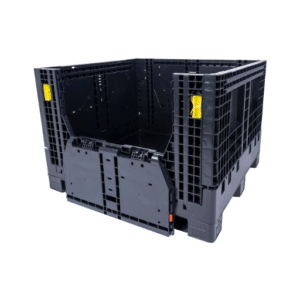
When looking at how to make logistics work and optimize operations, pallet design just has to get it right. The proper custom design of different pallets provides solutions tailored to the very idiosyncratic nature of your business. These might include load stability improvement, better warehouse space utilization, or cheap transport costs. This blog will shed light on the ability of custom pallets to solve industry-specific problems, increase efficiency, and support sustainable methods. So via this journey, we will discuss some pros of tailor-made pallet solutions and how they can change your supply chain forever.
Understanding Custom Pallets
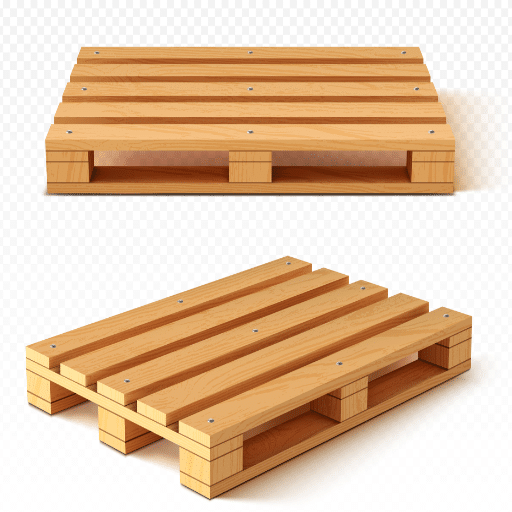
Custom pallets are designed specifically in accordance with the needs of a particular business or industry. Unlike stock pallets, these are designed in size, material, and function to best serve the storage, transport, and handling of goods. These pallets build efficiency on one hand in using space and in regard to load stability. On the other hand, they save costs from damage to the product and more accurate logistics operations. Also, custom pallets promote sustainability when made from eco-friendly or highly durable materials that require less replacement over time.
What are Custom Pallets?
Custom pallets are thousands of dollars, advantageous for different industries, as they are designed for unique products and processes. Records say that with the use of tailor-made pallets, companies may improve up to 30% in space utilization during storage and transportation. Custom pallets could be made from anything, including wood, plastic, and composite materials, each having a place of use depending on the weight of goods or sanitary transport, or in terms of long life.
One interesting aspect is that they fit various industries, such as automotive, pharmaceutical, food and beverage, and e-commerce. For instance, the pharmaceutical industry mainly uses plastic pallets to keep everything clean and ensure compliance with the required stringent hygiene standards. The food industry, on the other hand, considers ISPM-15 heat-treated wooden pallets as the most appropriate option to reduce any risk of contamination and pest hazards during international shipping.
Custom pallets also highlight sustainability aspects by incorporating materials that could be reused or recycled instead of leaning on virgin materials. Many manufacturers now deploy smart tracking systems, including RFID chips hidden inside pallets that deliver the real-time data needed to further optimize logistics within the supply chain. These technological enhancements combine with material optimizations to improve transport efficiency and, therefore, represent a cost-saving option over time. Custom wooden pallets have been an indispensable cog in industrialized demand and modern logistics.
Types of Custom Wood Pallets
Though custom wood pallets come in many varieties, most are adapted to explicit needs and industrial applications. Below are some of the main types:
Two-Way Pallets
In order to save users some money, two-way pallets are designed to allow forklift entry from just two opposing sides. Hence, such pallets are useful whenever the storage of goods or their transport needs to be kept simple.
Four-Way Pallets
Being the most versatile kind of pallet, they can be lifted from all four sides, and thus they find a receptive use in busy warehousing and industrial units that do a lot of pallet handling.
Block Pallets
Made from robust wood blocks or composite material, block pallets are very strong and durable. Their design supports four-way access; hence, they are meant for heavy-duty and high-stress applications.
Stringer Pallets
There are two parallel stringers on stringer pallets positioned between deck boards. They are used for lighter loads, often with customized notches to allow for partial four-way entry.
Heat-Treated Pallets
Heat-treated pallets are basically for export shipment needs, phytosanitary requirements such as ISPM-15, preventing pest spread, and making international trade in accordance.
Custom-Sized Pallets
Industries that deal with unique product dimensions or special load requirements frequently use custom-sized pallets to ensure that their products fit properly and are secured well during transport.
Every type of custom wood pallet can also be designed with features such as reinforced corners, extra deck boards, or coatings to provide further durability, depending on the specific operational needs.
Designing for Specific Needs
To address particular operational needs, pallet designs must be fashioned with due regard for practicalities and efficiencies. Custom wood pallets are designed considering and depending on the type of material, load weight capacity, dimensions, and purpose of use. For heavy-load-transporting firms, a reinforced hardwood pallet is usually a first choice due to its durability. Otherwise, companies aiming to reduce shipping costs may use lightweight softwood or composite pallets. A heat treatment feature offers international shipping conformity, such as ISPM-15, while customized coatings or treatments guard against moisture or chemicals, thereby extending pallet life.
Meeting industry standards and engaging the resources of specialists would enable a business to design pallet solutions that best balance the economies, sustainability, and operational precision. Central to the design must be consideration of such factors for long-term reliability, yet tailored to the specific needs of a particular set of logistics or shipping requirements.
Benefits of Custom Pallets

- Optimized Efficiency: As custom pallets are designed according to precise product dimensions, they encourage maximum space efficiency and better handling opportunities during transportation and storage.
- Saving in Costs: Less waste of materials and minimized risk of product damage by means of custom pallets equate to lower shipping and handling prices.
- Enhanced Durability: Different materials and designs are tailored specifically to impart strength to the pallets, considering the nature of loads they are supposed to carry, thus making them reliable and longer in life.
- Sustainability: Recycling material or reusable design options are available with custom pallets to help the businesses lessen their environmental impact.
- Improved Safety: Custom pallets reduce accidents by ensuring better stability of loads and compatibility with transportation equipment.
In this way, customizing pallets helps an organization to cater to the logistics requirements peculiar to its set-up and, at the same time, improve operational outcomes.
Cost Efficiency in Custom Design
Custom pallet design skills are promotional towards the enhancement of functionality and, later on, are linked to more cost savings in the long run. By tailoring pallets to the precise dimensions and weights of the products, livelihood companies limit wastage arising from the pallets and utilize that space for storage. For example, making use of lightweight yet durable materials such as engineered wood or corrugated fiberboard can translate to lower transportation costs against weighing more during shipment.
Another advantage of custom design is to enhance the lifespan of the pallets through structure reinforcement or by offering reusability, thereby limiting the frequency of replacement. Studies show that the use of custom pallets will reduce by 25-30% the supply chain costs annually due to the mitigation of damage to goods and improvement in logistical efficiency. Also, when pallet configurations are optimized in terms of transportation, maximizing truckload capacity and/saving on fuel cost and carbon emissions can be achieved.
Such efficiencies are good examples of how an ideal custom pallet could save both presently and in the long term, thus increasing profitability and, as such, supporting sustainability initiatives.
Enhanced Durability with Wood Pallets
That said, every international trade, whether in raw materials, semi-processed goods, or finished consumer articles, makes use of wood pallets. This meant that export businesses needed additional wood pallets to send back goods requiring replenishment, and increased domestic industries that ship wood pallets for their output. An average wood pallet supports weight loads between 2800 and 4600 pounds, depending heavily on its design and the wood used. This strength theoretically protects goods during transit from damage and possible loss.
Better still, wood pallets are also imparted with longevity if given good care. Many can be repaired and reused multiple times, which prolongs their lifespan and hence reduces costs. Ideally, they should last anywhere between three to five years, and if that happens, the businesses will surely benefit on a tremendous scale from it in terms of reasonable costs and sustainability compared to those that use one-time alternatives.
These pallets, owing to their durability, are of particular value in high-pressure applications like international shipping, where consistent performance matters. Treated wooden pallets repel pests, moisture, and wear-a triple threat that enhances their dependability. When maintained properly, wooden pallets remain a viable and environmentally friendly choice in today’s supply chains.
Improved Crate Design for Storage
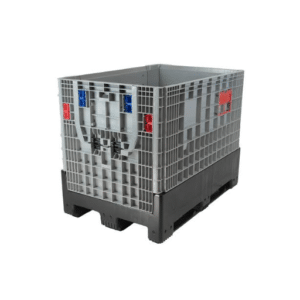
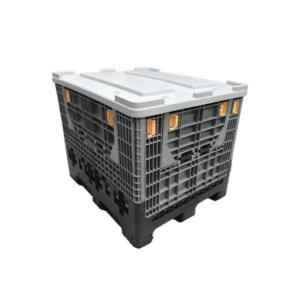
Modern crate designs have evolved to become more adaptive in storage and logistics activities, enhancing functionality and reducing operational costs. Considerations of newer materials, such as light composites and reinforced plastics, are increasingly embraced in crate construction to ensure that the crates are durable and lightweight. For instance, crates constructed of High-Density Polyethylene (HDPE) give superior resistance to impacts, chemicals, and extreme temperatures, being best suited for long storage and transportation.
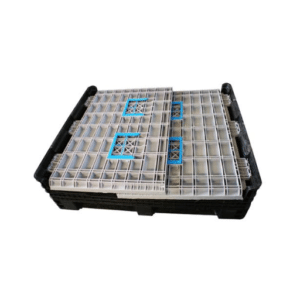
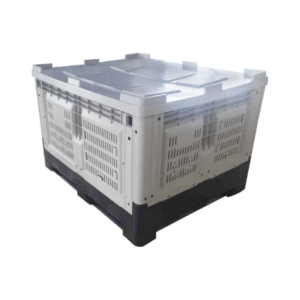
Adaptive designs include stackability and collapsibility, reducing space requirements while in storage by as much as 70%. Other crates come with ventilated sides to help control temperature and humidity, which is very good for perishables. Crates also incorporate RFID tracking and QR code labeling, easing inventory management and alleviating supply-chain visibility.
The data suggest that the switch to optimized crates will curtail handling time and labor costs by 25% at the very least. Their long life and maintenance needs mean that operating costs are kept low through the years, also aiding sustainability targets by way of waste minimization. These design upgrades basically talk about the continual effort to blend increased functions and adaptability in storage.
Custom Pallet Design Process
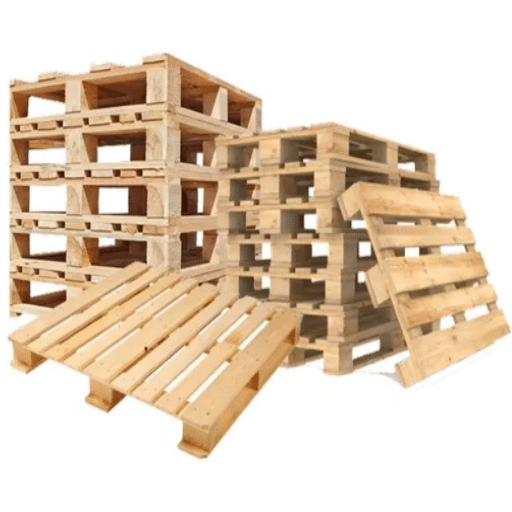
Custom pallet design involves the following basic phases:
- Assessment of Needs: Specific factors concerning the application, such as load capacity and product dimensions, are considered. Storage conditions and methods of transport may also affect the design.
- Design and Material Selection: Based on the needs analysis, the pallet is designed and materials chosen to ensure adequate durability within cost constraints relevant for the intended application.
- Prototype and Testing: In this phase, a prototype of the custom design is developed and tested against criteria for performance and safety before it goes into full production.
Hence, this process ensures that the pallet is designed to optimize its use for the best combination of application, longevity, and cost.
Initial Consultation and Needs Assessment
The first step is, in fact, to gather important information about your particular needs. Will the pallet store or transport goods? What weight capacity must it have? Will it be handled manually or automatically? Should chemicals or moisture be considered in the design? Applications also differ based on whether the pallets are intended for use domestically or internationally, with different regulations to consider. These considerations help design a pallet suited to fit operational needs while improving efficiency and cost-effectiveness.
Designing and Prototyping Custom Pallets
The first consideration in the design and prototyping of custom pallets begins with the type of goods being transported, their weight, and specific handling requirements. Hardwood or engineered plastic are the materials to choose for heavy or delicate products because they provide the necessary strength and durability. Will the pallet be handled manually or through automation? For the design, this question is crucial as it will affect something as simple as dimensions, ports of entry, and compatibility with lifting devices.
Considering an environmental factor may require pallets to withstand temperature or humidity variations. For example, wooden pallets need heat treatment for international shipments to comply with ISPM-15 regulations, whereas plastic pallets are resistant to moisture. Also, mold your pallet design to match your supply chain sizing and weight capability requirements, since custom sizing can help in better storage and transportation.
Before final production, there are testing and validation considerations that must be taken care of with prototyping. Use any CAD software for initial drawings or designs so that modifications can be made or possibly simulated in real-world scenarios. The physical prototype can be tested under loads, for durability, and for functionality to establish whether the pallet complies with safety and operational standards. By evaluating practicality, compliance, and innovation, custom pallet design ensures logistics optimization at lower costs.
Finalizing and Implementing Custom Designs
For customizing and effectively implementing a custom pallet design, first go through the results of prototype testing and effect changes if needed. Check and cover other materials, if necessary, between the chosen materials and the operational requirements, such as weight-load capacity, durability, and safety. Upon finalization of the design, cooperate with manufacturers to develop clear production specifications for the scaling and consistency of their manufacturing. Implementation will then proceed with extensive quality control during production and pilot testing in real-life settings to ensure the performance of the design. Training warehouse and logistics staff on the handling and use of custom pallets allows them to be integrated smoothly into current operations for seamless day-to-day operation and efficiency very quickly.
Industry Applications of Custom Pallet Design
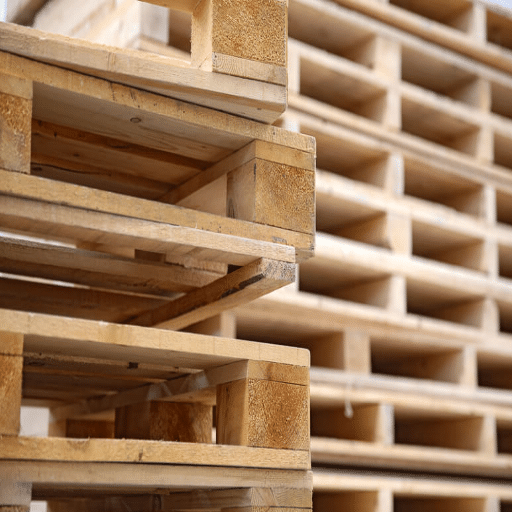
An ideal custom-designed pallet is now necessary for many industries to fulfill specific operational needs.
- Retail and E-Commerce: Custom pallets help store, handle, and transport different kinds of products, thus allowing for faster order fulfillment.
- Food and Beverage: They are utilized for handling perishable goods, ensuring safety, wherein, for hygienic grounds, materials used for custom pallets may be edible-grade.
- Pharmaceuticals: Custom pallets maintain a high degree of precision to preserve product integrity and regulatory transport requirements.
- Automotive: Heavyweight-touch custom-made pallets are for larger loads or components of irregular shapes, thus easing inventory and assembly.
- Manufacturing: Customized solutions let one optimize workflow by implementing efficient handling of raw materials and finished goods.
Designer pallets customize operations in terms of industrial requirements to promote efficiency, safety, and reliability in supply chain operations.
Custom Pallets in the Retail Industry
Custom pallets are remodeled to meet the retail industry’s peculiar demands of diverse goods and operational necessities. While sustainability is never compromised on, it has much to do with the efficiency of stocking companies that adopt tailored pallet solutions. According to industry data, wooden pallets transport almost 94% of consumer goods in the United States, with numerous custom designs ascending to meet the needs of goods of different shapes and sizes.
Custom pallets are considered very valuable for the safe handling and transport of fragile or high-value goods, such as electronics or luxury cosmetic products risk of damage during transit being much higher. On top of that, customs would help optimize storage in warehouses, as the custom pallets could be designed to take maximum advantage of the space available in storage facilities. This solution harmonizes with tendencies for reusable and recyclable materials, thus favoring retailers’ sustainability initiatives and long-term cost reduction.
By implementing custom pallet systems, retailers can streamline inventory, reduce wastage, and ensure the adaptability of their operations in an increasingly dynamic market.
Logistics and Distribution Solutions
An efficient logistics and distribution system is essential to a successful supply chain to allow businesses to meet customer demands at the lowest operational cost. Modern ingredients are reshaping the industry, with automation and artificial intelligence being two of the most important. Automated warehouses streamline inventory management processes, decreasing errors by as much as 70% and speeding up order fulfillment. With less fuel consumption and sustainability, AI and analytics allow companies to predict demand patterns, optimize routes for delivery, and reduce fuel consumption.
Last-mile delivery has become one of the major areas of consideration, the very last leg of delivery covering nearly 53% of total shipping costs incurred by businesses. Businesses are looking at ways to reduce transit time so they can offer fast and reliable delivery, including micro-fulfillment centers and delivery service partnerships. The very cutting edge technologies to disrupt distribution would include the drone and autonomous vehicle delivery, which would cut the delivery time and increase reach to remote areas.
By leveraging these innovative technologies within their logistics and distribution options, businesses stand to increase operational efficacy at the least environmental cost, all while providing a better customer experience in an increasingly competitive space.
Plastic Pallets vs. Wood Pallets
Some of the aspects that need to be considered in cases of plastic pallets versus wood pallets are durability, cost, sustainability, and application.
| Aspect | Plastic Pallets | Wood Pallets |
|---|---|---|
| Durability and Longevity | Highly durable and resistant to moisture, chemicals, or pests, making them preferred for long-term use and strict hygienic industries such as agriculture and pharmaceutical. | Cheaper from the beginning, but due to being prone to moisture, fungus, or repeated usage, have much lesser life expectancy than plastic. |
| Cost | Costlier at the purchase time, however, can pay themselves off over time due to greater reuse with less maintenance cost. | Usually cheaper upfront, thus making them a common one-time shipment choice or a budget-tightening industry. |
| Sustainability | Usually recyclable and might be reused over and over, decreasing rejection from landfills. However, exploiting non-renewable sources for their manufacture is a negative step. | Make use of natural and renewable materials and are, in turn, biodegradable; but if not managed sustainably, their production and disposal could lead to deforestation and landfill issues. |
| Application | Well-suited to major industries where stringent hygiene standards are imposed during storage or transport over extended periods. | Fit the heavy-duty work, lesser lesser-regulated industry, and single-use basically. |
Each type of pallet comes with its set of benefits, and the appropriate choice would depend on the business’s specific requirements, which could include cost-prohibition, the number of times to be used, and environmental concerns.
Pallet Management Best Practices

- Regular Inspections: Carry out routine checks for the damaged ones to remove them from circulation so that no accident or product damage occurs.
- Proper Storage: Pallets should be stored in clean, dry, well-organized areas so as not to contaminate, with easy accessibility to the staff.
- Load Limitations: Consider the limits in weight and stacking guidelines so as not to overload or cause instability during transportation.
- Repair and Reuse: Damaged pallets should be repaired where possible to reduce wastage and save cost.
- Employee Training: Train employees on proper handling techniques to reduce wear and tear on pallets and minimize injuries.
- Sustainability: Recycling of pallets is top on the priority list for those whose reuse is not possible; otherwise, they may consider a pallet buy-back program or recovery programs with suppliers.
By adopting these, companies can increase pallet life, optimize their operations, and minimize their impact on the environment.
Managing Custom Pallet Inventory
Managing custom pallet inventory effectively calls for creating a structure to track, store, and maintain pallets. First, something as simple as an inventory software application should be adopted for the maintenance of records and keeping track of use to ensure the appropriate amount is always maintained. Second, be sure that there is a working relationship with the suppliers such that the pallet supply matches actual operational needs, the solution to overstocking, and under-supply. Third, develop a maintenance routine; the result is that pallets undergo inspection and repair to minimize costs and improve safety. Also, set up policies for the return and recycling of used pallets. All these strategies enhance operational efficiency while promoting sustainability goals.
Tracking and Maintenance of Custom Designs
A successful tracking-maintenance system for custom designs should be organized to investigate the workings and durability of the custom design. Track with inventory management software configured to custom designs, registering materials, specifications, and production deadlines. Periodic inspection for signs of wear and tear should be scheduled so that, if it appears, remediation can be effected before it escalates. Records of design modifications and maintenance history should also be maintained to ensure continuity and to prevent errors from occurring should updates come into play. Also, manufacturers or designers should be consulted to source replacement parts or to resolve issues affecting the rather unique component of the custom design. Such a system would not only give diagnostics but would also spur greater efficiency, saving long-term costs.
Reference Sources
2. Operational Concept of an Innovative Packaging Management System (2023)
3. Towards an Intelligent Architecture: Creating Adaptive Building Systems for Inhabitation (2021)
Frequently Asked Questions (FAQs)
How does a custom pallet design make for better pallet management?
Better pallet management means that the pallet is designed around the specified weight capacity and its requirements for handling with respect to the individual product or products it carries. This essentially creates a tailored solution to the unit load design, helping to make stacking and transport simpler, and as a result, save costs and increase the level of efficiency.
What are the standard materials for custom pallet design?
Custom pallets can be produced using different sorts of material, including wood, plastic, or composite. Wood pallets are generally regarded as being stronger and better to repair, while plastic pallets are preferred for being lightweight and water-resistant. The material used depends on the requirements of the particular industry and the end use of the pallets.
Can custom pallets be prepared for international shipping?
Yes, custom pallets can be designed in conformity with international shipping requirements such as ISPM-15, so that they fulfill all the necessary criteria for treatment and marking and can, therefore, be used in transit without hindrance, great if it is to prevent damage to products.
How much would the design of custom pallets cost?
Cost Custom Pallet Designs according to various criteria that include size, choice of material, and the complex design itself. One may think that the initial cost of a custom pallet may be higher than that of a standard pallet. In fact, custom pallets can save costs in shipping, handling, etc., and hence they are very cost-effective or profitable in the long run.
How do custom pallets fit into specific needs?
The custom pallet offers exactly the dimensions and specifications of your product and fits practically any application of your own. This option offers better load stability, less product damage during transport, and higher operational efficiency while taking into account the special application.
How is pallet design software used to create custom pallets?
Pallet design software serves as a very helpful application for manufacturers who make custom pallets. This software allows pallet designs to be modeled very accurately and provides a simulation to optimize pallet specifications such as weight capacity, dimensions, and stacking patterns, further making handling and transport processes more efficient.
How do I go about finding a pallet manufacturer that specializes in custom designs?
To find a pallet manufacturer that specializes in custom designs, one may perform online research, browse through industry directories, and select such a supplier with genuine credentials in custom pallet production. It would help to go through their portfolio and customer reviews, ensuring they indeed can deliver according to your specific requirements.