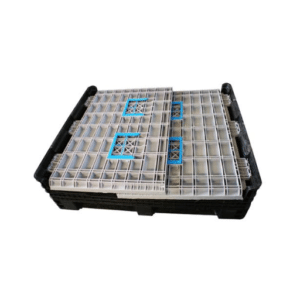
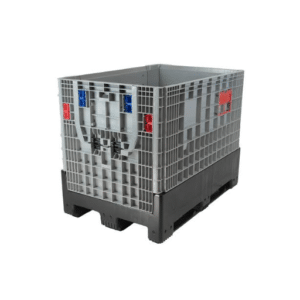
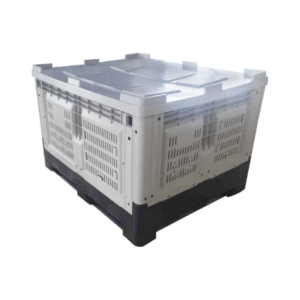
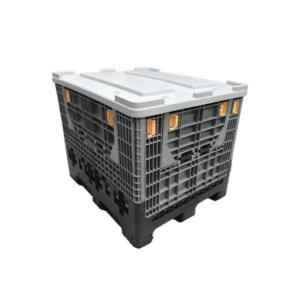
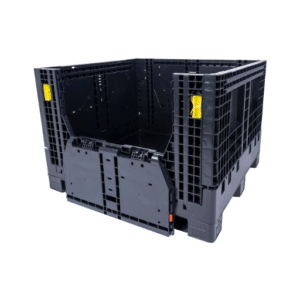
In general, pallets made of plastic are rather convenient in production, but it must be noted that there are differences between them. In terms of chemical resistance, hardness, and utilitarian features, High-Density Polyethylene (HDPE) pallets possess incomparable features compared to others. This paper identifies the main factors of HDPE material that help make special chemical-resistant pallets out of it, as well as the other uses of HDPE in different industries. It should also be noted that the following aspects will be investigated in depth: PPEs’ value in reducing the exposure risks of dealing with chemicals with the aid of HDPE pallets and promoting the efficiency of the respective protective mechanisms in place. Whether it be manufacturing, pharmaceuticals, or warehousing, each industry would benefit from the characteristics of HDPE to augment its processes and safeguard its goods.
Introduction to Chemical-Resistant Pallets

Chemical-resistant platforms are storage units that can be used for transporting products without being affected in any way by harsh chemicals. They are usually made from high-density polyethylene (HDPE) or similar tough materials. Such pallets are non-absorbent, they do not rust, nor do they degrade when subject to sugary, acidic, or basic media. These stop potentially hazardous substances, provide extended service life under heavy-duty use better than other products, and meet specific safety standards required in this industry. These features are beneficial not only to industries such as drugs, manufacturing, and chemistry because of the high chances of interactive substances in these fields, but they also do not fail in such cases due to their capacity.
Industrial Significance
High durability and safety are essential requirements of operations; chemical-resistant pallets come into play since they are specifically made for such tough industrial environments. Such pallets are commonly made from materials such as polyethylene, polypropylene, or fiberglass, which do not corrode, degrade, or wear out physically. In contrast to wooden or steel pallets, chemical-resistant pallets do not absorb liquids, deteriorate upon contact with harsh chemicals, oils, or acids, making them durable and safe.
Utilization of chemical-resistant pallets is of considerable significance in several industries as it assists in enhancing operational efficiency as well as safety. They are prominently employed by industries such as the pharmaceutical, agriculture, and chemical industries and processing, where robust guidelines on handling and storage exist. The non-porous surfaces of these materials boast bacteria-free environments and food-grade forms. Also, they are lightweight but strong in nature, hence reducing ergonomic disorders, while their ease of use in automated systems optimizes the workflow. Different industries have adopted the use of chemical-resistant pallets to minimize wastage of goods, keep abreast with legal frameworks, and realize a sustainable process by offering options such as re-use and recycling.
Key Properties of Chemical-Resistant Pallets
| Property | Description |
|---|---|
| Pallet Surface Treatment | Specialized chemical coatings or additives act as an impermeable sheet against corrosive substances. |
| Deformation Resistance | Maintains linear dimensions under extreme low or high temperature regimes. |
| Impact Resistance | Mechanically robust structures avert deformation caused by physical assault or chemical attack. |
| Non-Reactivity | Chemically inert materials prevent contamination and damage to goods. |
What is HDPE, and why is it used for Pallets?

HDPE (High-Density Polyethylene) is a type of thermoplastic resin that is characterized by its substantially high strength in relation to its density, long-lasting nature, and high capability to resist several environmental conditions. One very high-profile application of this plastic is in the construction of pallets; the structural chemical resistance of HDPE is phenomenal, the high strength of the material when loaded, and it operates efficiently regardless of severe thermal conditions. Moreover, since it is low in weight, malleable, and capable of recycling, utilizing HSHT industrially is most economical and reasonable. In this regard, chemical-resistant pallets are also helpful in maintaining the functionality as well as the structural design of the storage and transport systems that are utilized.
Chemical Composition
The High-Density Polyethylene (HDPE) formulation is a linear thermoplastic polymer synthesized by polyethylene chains under low pressure employing either Ziegler-Natta or metallocene catalysts. Highly linear molecular chains characterize HDPE, with very few branches contributing to the high tensile strength and durability of the material. The chemical structure consists of recurring -CH2-, thereby creating macromolecules embedded with carbon and hydrogen that are tightly bonded. Few side chains enhance the molecular alignment and crystalline structure, giving its high density (between 0.93 and 0.97 grams per centimeter cubed) and also make it impervious to moisture, chemical, and impact forces.
“`
“`
Key properties of HDPE relevant to pallet production:
- Durability: Outstanding overall resistance to cracking and warping for intensive industrial use.
- Chemical Resistance: Known for not breaking down in the presence of acids or bases while in transit or storage.
- Lightweight: Lowering transportation costs and speeding up handling mobility without compromising strength.
- Thermal Stability: Maintains its characteristics over a good temperature range for cold and hot storage applications.
Benefits of HDPE Chemical-Resistant Pallets

The chemical-resistant pallets made from HDPE are very durable because they are not affected by chemicals, water, or rust. This makes them indispensable in the storage or transport of acids, bases, or other corrosive chemicals. Their seamless surfaces allow easy cleaning in accordance with the sanitary standards of the pharmaceutical and food industries. In addition, HDPE pallets can easily be recycled, making them eco-friendly and able to withstand heavy weight, providing an economical as well as ecologically viable option for shelving or transportation.
Enhanced Durability Comparison
Plastic pallets last longer than wooden and metal ones as they are less affected by water, chemicals, or changes in temperature. Plastic pallets do not break easily, do not rot, and do not get infested by any insects, even in watery or damp conditions, as opposed to wooden ones, for instance. However, as strong steel pallets tend to rust and corrode, especially in very high humidity or in environments with a fair level of chemicals. In terms of chemical-resistant pallets, which are high-density polyethylene or similar, they resist wearing out for a long period of time and require less upkeep. Consequently, the replacement cycle is not as frequent, and the operating costs associated with these storage and transportation solutions are efficient and effective.
Resistance to a wide range of chemicals, including acids, alkalis, and corrosive materials.
Because of the high molecular density and the subsequently high chemical rejection abilities of the HDPE material, one can easily conclude how they are able to withstand a wide range of chemicals and acids, including the strongest of acids, bases, and other agents that are known to be very corrosive in nature. The same can be said for chemical operations that are highly dependent on very aggressive and durable materials like chemical-resistant pallets that are needed and necessary for the manufacturing of chemicals and drugs, as well as in the machinery wash containers and trays for the food production industry. Apart from this, however, the durable properties also cause the pallets not to swell or crack due to exposure to these aggressive elements for a very long time, thus increasing the lifespan of the pallets.
Industries That Require HDPE Chemical-Resistant Pallets
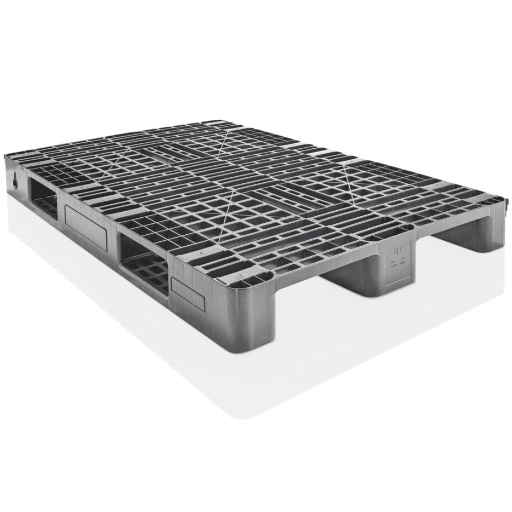
Due to the demand for heavy-duty materials that are easy to clean and do not react with chemicals, chemical-resistant pallets find use in several industries. Among them most prominent are:
1. Pharmaceutical and Healthcare: These areas need pallets that sustain the aggressiveness of chemicals, resist high-frequency sanitation, and meet stringent regulations. They are easily sterilized and present a low contamination risk.
2. Food and Beverages: Used to avoid contamination of perishables, meeting FDA and HACCP standards. The design ensures no mold, pests, or bacteria can thrive.
3. Chemical and Petrochemical: Essential for handling corrosive elements and abrasive substances safely and optimally.
4. Agriculture: Highly appreciated for its stiffness and stability in the presence of fertilizers and moisture. Used for packing produce and seeds to maintain quality.
5. Electronics: Non-conductive versions of these HDPE pallets are used for the safe transfer of electronic devices like computers.
Specific Use Cases
Resisting degradation from harsh chemicals is essential for different areas of work that are continually exposed to such conditions. The foremost area of application is in cases associated with chemical production and storage facilities, where polyethylene HDPE pallets may be used for accommodating containers of acidic, alkaline, and saponaceous substances. These pallets are able to withstand any damage caused by underdraining or outflow, while incorporating safe handling as well as being resistant to contamination. This need is apparent when discussing the functions of the pharmacy departments and the healthcare institutions, as both require employing orderly and ‘clean-annotated’ materials, especially during disinfection and cleaning, for which different chemicals are required. Moreover, the chemical-resistant pallets are also important in the food and beverage industry in order to avoid any contact with cleaning substances and food materials during production and storage.
Future Trends and Market Demand

Rising urban areas catering to the demands of industries will increase the need for chemical-resistant pallets significantly in the near future. Primarily due to the developments in the field of material sciences and environmental concerns. Most of the industries seek to develop pallets and to improve their performance against severe chemicals, for example, against weak acids and strong bases, in addition to other chemical impregnations. This can be achieved by the increasing use of reusable and recyclable pallets in the economy of the world, where the ecological destruction of products and preserving properties that are aggressive to chemicals are important.
Growth Projections for HDPE Pallets
- The market is expected to grow at a CAGR of 5 to 7 percent over the next 10 years.
- Asia-Pacific region leads due to industrial growth and supply chain enhancements.
- Latin America and Europe drive demand due to sustainability initiatives and ecological regulations.
- Technologically advanced manufacturing processes, such as injection molding, will enhance product modifications.
Material Science Developments
Additionally, improvements in chemical resistance can be achieved by investigating the high-tech polymer formulations, including the blend of polymers and additives, which increase mechanical strength without decreasing existing material properties. Inclusion of nanomaterials, for instance, graphene and silica nanoparticles, would go a long way in fighting chemicals. Moreover, surfaces can also be treated using, for instance, plasma or fluorine coatings, which physically serve as additional covers that absorb substances, deflecting further chemical attack. For these reasons, materials can be made appropriately resistant to chemicals to address higher demands in the industrial sector.
The scope of HDPE pallet applications in different types of industries confirms how useful their design is, ensuring safety and lifting them as crucial elements in modern supply chain strategies.
Reference Sources
Plastic Pallets and Their Resistance to Chemicals
This article discusses the advantages of plastic pallets, including their resistance to chemicals, weather, and rough handling.
Polyurethane Resins-Treated Wood Pallets
This research explores wood pallets treated with polyurethane resins, which enhance their chemical resistance and decontamination capabilities.
Projected Costs for Treating Wood Pallets to Impart Chemical Resistance
This paper examines the costs and methods of treating wood pallets to improve their chemical resistance.
Frequently Asked Questions (FAQs)
What is available on the market in terms of varying product types of chemical-resistant pallets and plastic pallet systems?
Several derived products are chemical-resistant pallets produced from the invention, such as vertical high-density polyethylene (HDPE) plastic pallets, CP plastic pallets, and high-end reinforced plastic pallets, among others, that offer excellent resistance to various acids, bases, and solvents. Most of the time, plastic pallets are more preferred than wood pallets or wooden pallets as they have resistance to molds, corrosion, and dirt. They can be used again, thus never warping and maintaining their load height for purposes of transport and storage.
How do you safely store hazardous waste with the help of spill pallets or containment systems?
Designed for rugged usage, spill pallets and spill containment systems provide the much-needed structural support for storing spills. The pallet has its own secondary containment capacity, which contains all the chemicals spilled by the containers and hoppers, hence all the chemicals are secondary contained. These chemical-resistant pallets enable the companies to adhere to certain environmental rules. assist in the ease of cleanup and the employees’ safety, and the safety of their activities.
Are there CP pallets, as well as specifically tailored pallets created especially for chemicals within the supply chain, which are cheaper?
Chemicals are transported on CP pallets, as well as on specially designed or adapted chemical pallets. All these methods could turn out cheaper in the long run, taking into account all expenditures, since less cleaning is required, frequency of changing pallets due to contamination is lower. With personalized capability for construction, grating, and size distribution of pallets, it is possible to improve efficiency in transportation of drums or IBC containers and prevent undue damage in the process of loading and offloading trucks. Many suppliers provide state-of-the-art, indestructible pallets with reasonable cost characteristics in place of widely topical/existing solutions.
Is it possible to include aggressive materials without harming the integrity of plastic pallets?
For maximum storage durability, the design of plastic pallets is enhanced with chemical and heat-resistant features and is made to carry heavy loads. Their structurally molded design may include additional internal ribs to allow for stable and secure stacking. Being plastic, they are particularly good for pallets because plastic will not break down easily when exposed to a variety of chemical products.
Can chemical-resistant pallets or pallets for storage and handling hazardous materials have additional safety or compliance measures required?
Pallets that carry chemicals should be compatible with substances and provide a sufficient sump volume, among other requirements, for use by different industries and local areas requiring such regulations. These systems should achieve the enforcement of the permitted sump volume, ensure easy checking access, and minimize any disruption to internal procedures. In selecting pallets, compliance with safety codes helps in risk reduction help in hindrance to optimum operations achieved in the chemical industry.
To what extent do pallet solutions intended for shipping and transport contrast with those meant for storage within a warehouse?
Pallets that are utilized in the shipping and transportation sectors tend to have strong, durable material, uniform dimensions, and harness points for the purpose of securing loads while on trucks or in the course of transit over a long distance. On the other hand, there are storage pallets or spill pallets that come in structures such as grating appropriate for chemical storage because they are easy to clean up and put up containment measures. Deciding which type to go for will be influenced by the purpose, whether it is mainly for efficient transportation, or if there is a main aspect of chemical storage, or both that is combined in a system built for such purposes.
What are the maintenance and cleaning factors that lengthen the service of chemical-resistant pallets?
Regular inspection and cleaning of the detergent that works with the material periodically, and cleaning spills quickly, helps in preventing residue from accumulating and avoiding mildew or damage to the casing. As for plastic ones, refrain from unnecessary exposure to high temperatures for long durations and ensure that all substances stored within it will not interact with the pallet. The use of lists or checks in order to be done by the personnel during execution of such activities as handling, storage, and cleaning, helps to minimize the deterioration of pallets and maintain their safety.
Is it possible to design unique pallet configurations to meet specific transport conditions of barrels, ibcs, or weights?
Yes, most producers manufacture pallets depending on different load requirements, drums, mezzanines, and weights in containers, and skids. Pallets may be modified to accommodate inclinations, size of the spill area, integration grates within the pallet frame, contact points for weight distribution, and load. This system enhances transportation and warehousing systems within your organization. This modification of the pallets enhances protection as well as handling effectiveness, efficiency, and supply chain management reassurance.
Why use chemical-resistant pallets when it easy letting go of pallets made with wood in the long run?
While the upfront cost of buying wood pallets may be relatively less, plastic chemical pallets and those of other materials offer more benefits in the long run as they are durable, chemical resistant, lower maintenance, hygienic, and recyclable. Moreover, plastic chemical pallets minimize downtime owing to contamination, are clean and readily withstand various transportation and storage processes, thus suitable for chemical industries looking for an economic yet reliable pallet solution.