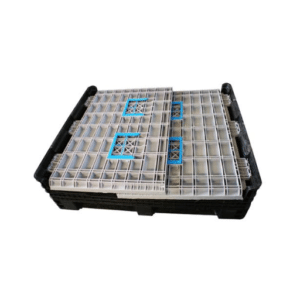
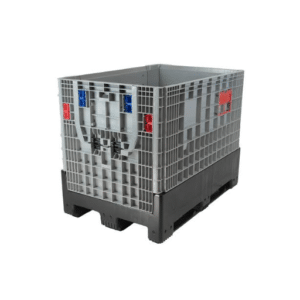
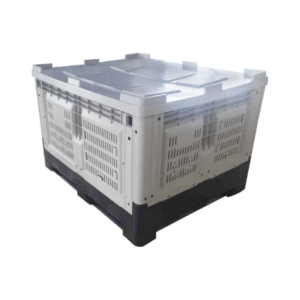
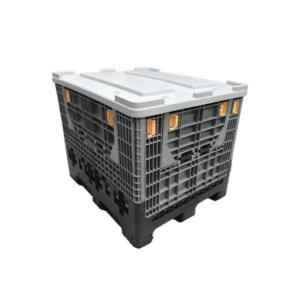
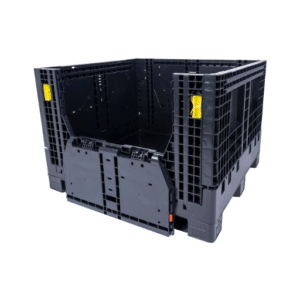
The operational efficiency of plastic pallet use requires proper maintenance which extends the pallets’ operational lifespan while reducing unplanned expenses. Plastic pallets used for warehouses, transportation, and storage facilities experience severe damage as time progresses. The absence of proper maintenance creates risks which lead to unsafe conditions and operational inefficiencies because the system’s structural components become weakened.
This comprehensive guide provides all necessary information about maintaining plastic pallets through inspection checklists and repair guidelines which help maintain peak performance. The implementation of these proactive strategies enables businesses to achieve cost savings while establishing sustainable business operations.
Pallet Maintenance Basics

Importance of Proper Pallet Maintenance
The process of maintaining plastic pallets requires correct procedures which protect the materials from both operational efficiency and safety hazards that occur during material handling tasks. The process of doing inspections together with cleaning activities establishes a system which stops dirt, debris, and damage from building up to the point that it harms the structural strength of the pallets.
Key Benefits of Pallet Maintenance:
- Protects products from contamination
- Reduces unplanned work interruptions
- Achieves compliance with health and safety requirements
- Extends pallet lifespan for better supply chain performance
Understanding the Life of Your Pallet
The lifespan of a pallet depends on several factors, including the material it is made from, its usage patterns, and the care it receives. The service life of pallets requires three essential practices: regular inspections, proper storage methods, and repairing any damaged pallets.
Choosing Between Wooden and Plastic Pallets
The decision between wooden and plastic pallets requires multiple factors to be evaluated during the selection process. Each type offers distinct advantages depending on operational needs, budget, and regulatory requirements.
Regular Inspection of Pallets

Checklist for Pallet Inspection
The operational and safety standards of pallets should be evaluated through scheduled inspections. Use the following comprehensive checklist to ensure thorough evaluation:
Essential Inspection Checklist
☐ Structural Integrity
Inspect for visible cracks, splits, and warping that create risks to structural integrity
☐ Contamination Check
Identify contamination through stains, mold, and chemical residues (especially for food/pharmaceutical use)
☐ Fastener Security
Ensure fasteners are properly secured without any parts sticking out which creates safety hazards
☐ Load Capacity Verification
Confirm specifications meet requirements to prevent exceeding safe limits
☐ Pest & Moisture Damage (Wooden Pallets)
Inspect wooden pallets for signs of damage caused by pests or excessive moisture
Identifying Damaged Pallets
The process of identifying damaged pallets requires inspectors to examine essential structural elements through a methodical assessment procedure. The implementation of regular assessments together with industry safety standards enables organizations to decrease the risks which damaged pallets create.
Critical Damage Indicators:
- Deck boards and stringers with visible cracks, splits, and fractures
- Missing or loose fasteners creating structural failure risk
- Deformations including warping and bowing causing improper weight distribution
- Contamination from chemical spills and mold creating safety hazards
Frequency of Inspection
The safety standards and operational efficiency of an organization require that pallet inspections take place at scheduled intervals. Organizations need to assess their operational requirements, environmental conditions, and regulatory requirements to determine their specific inspection schedules.
The process of regular inspections enables organizations to discover potential problems in advance which helps them prevent accidents and protects their inventory from damage.
Pallet Repair Techniques

Common Issues with Pallets
Pallets experience common problems because their deck boards sustain damage through breakage, their nails become bent or exposed, and their stringers sustain damages which occur because of excessive weight, rough treatment, and continuous wetness. The company needs to identify and solve problems immediately because these actions help to protect pallet safety and performance.
Step-by-Step Guide to Pallet Repair
Business operations can maintain safety standards while their pallet usage increases through the implementation of these procedures:
Inspect the Pallet
Begin by thoroughly examining the pallet to identify areas of damage, such as cracks, splinters, or missing components.
Clean the Pallet
Remove any debris, dirt, or mold to ensure a clear working surface.
Repair Cracks and Splinters
Wooden pallets: Use wood glue and clamps to fix cracks. Sand down rough edges to prevent further splitting.
Plastic pallets: Use a heat welding tool to restore their original shape.
Replace Damaged Components
The process requires broken slats or blocks to receive replacement parts which must match their original size.
Installation: Use nails or screws for wooden pallets and compatible adhesive for plastic pallets.
Test for Integrity
The structural soundness needs assessment through pressure testing which determines if the pallet can support its intended load.
Protect and Maintain
Wooden pallets: Apply a protective coating or sealant to create a barrier against future damage. Store in a dry, well-ventilated area to decrease risk of deterioration.
Plastic pallets: Avoid exposure to extreme heat and cold to prevent warping.
When to Replace vs. Repair
The decision about whether to repair or replace a pallet requires assessment of its current state, determination of repair costs, and evaluation of its intended use. The choice between these two methods requires organizations to conduct regular inspections while they maintain thorough knowledge about their operational requirements.
Best Practices for Maintaining Pallets

Proper Handling Practices for Pallets
The correct method for pallet movement must be followed because this procedure ensures both safe workplace operations and the extended life of pallets. The company requires employees to examine pallets for visible defects because this procedure protects against accidents and product damage.
Essential Handling Tips:
✓ Use Proper Equipment
Operate pallets with forklifts and pallet jacks to protect from physical strain and equipment damage
✓ Avoid Dragging
Never drag pallets across surfaces as this causes splinters and structural damage
✓ Distribute Weight Evenly
Ensure equal load distribution to prevent tipping and warping during transportation
✓ Train Workers
Provide training on proper lifting techniques and stacking according to recommended heights
✓ Pre-Use Inspection
Examine pallets for visible defects before each use to prevent accidents
Keeping Your Pallets Clean
Industries that work with food or pharmaceuticals must maintain and clean pallets because this practice protects both hygiene and safety requirements. The cleaning routines which occur regularly provide two main benefits: they extend pallet life and help the company follow safety standards while storing and handling pallets.
Storage After Cleaning: The storage area for cleaned pallets must remain dry and well-ventilated to stop mold and bacterial growth from developing.
Storing and Handling Pallets Correctly
The process of storing and handling pallets needs to follow correct procedures which require three essential elements: security measures, effective operations, and enhanced product durability.
Proper Storage Guidelines:
- Stack on Level Surfaces:
Use even weight distribution to prevent tipping and collapse - Maximum Stack Height:
Maintain 4-6 feet maximum (varies by pallet material and type) - Respect Weight Limits:
Never exceed designated weight limits to prevent safety hazards - Proper Equipment Use:
Use appropriate lifting equipment for all handling operations - Environmental Control:
Maintain good airflow and dry conditions; protect from high humidity and direct sunlight
The implementation of these procedures protects operational safety while extending the life span of pallet inventory.
Recycling and Reusing Pallets

Benefits of Recycling Pallets
The process of recycling pallets delivers major benefits to both the environment and the economy. The practice enables companies to save money through reduced pallet acquisition expenses while they work towards sustainability objectives which leads to better environmental performance.
🌍 Environmental Benefits
- Decreases need for raw materials
- Better resource conservation
- Reduced forest destruction
- Less landfill waste
- Decreased environmental contamination
💰 Economic Benefits
- Reduced disposal expenses
- Lower pallet acquisition costs
- Circular economy opportunities
- Revenue from recycled materials
How to Recycle and Reuse Pallets Effectively
The process of pallet recycling and reuse requires systematic evaluation and proper execution to maximize value while maintaining safety and environmental standards.
Step 1: Initial Inspection
Assess pallets for damage and determine if they can undergo repair or re-use
Step 2: Repair for Reuse
Fix damaged pallets by replacing defective boards and nails to meet safety standards
Step 3: Dismantle and Repurpose
Extract usable wood to create products such as furniture, garden planters, and flooring materials
Step 4: Partner with Recyclers
Establish relationships with local pallet recycling companies for end-of-life management and exchange programs
Step 5: Compliance Check
Use heat-treated and chemical-free pallets to comply with environmental standards and safety regulations
Impact on Supply Chain Sustainability
The establishment of sustainable practices in supply chains leads to better environmental results and increased economic performance. The implementation of circular economy principles through recycling, upcycling, and waste reduction enables companies to achieve lower material expenses while decreasing their environmental footprint.
Current Market Trends in Sustainability:
- Adoption of environmentally friendly technologies
- Enhancement of transportation systems through renewable energy sources
- Contribution to global sustainability objectives
- Positive effects on brand image and business competitiveness
References
-
Penn State Extension: Be Safe Around Wooden Pallets! – Discusses potential hazards and safety measures for pallet usage.
-
Virginia Tech Unit Load Center: Exploring the Durability of Wooden Pallets – Provides insights into factors affecting pallet durability.
-
Villanova University: Pallet Reuse & Recycling – Covers the repair, reuse, and recycling of wooden pallets.
Frequently Asked Questions (FAQ)
Which pallet maintenance practices should be followed to ensure both theft protection and operational effectiveness of pallets?
Pallets require regular maintenance through scheduled operations including three specific tasks. First, maintenance personnel must clean the pallets. Second, they should examine pallets for any loose nails and signs of physical damage. Third, they need to keep pallets in an area that maintains dry conditions while providing proper airflow. Basic cleaning operations involving pressure washing, using hammers to fix small nail heads, or performing repairs at needed times will help increase operational time while decreasing the need for replacement. These maintenance techniques help minimize repair costs by decreasing equipment failure rates throughout the equipment’s operational lifespan.
What are the signs that indicate a pallet needs to be fixed or thrown away?
Clear damage indicators requiring assessment include broken pallets and damaged sections, large cracks, severe rot, missing boards, and broken load-bearing blocks. Wear and tear indicators show themselves through splintering, loose nails, and uneven weight distribution when transporting pallets. When a pallet becomes unfit for use because its lifespan has decreased, you need to invest in a replacement instead of making repairs again. The immediate resolution of minor problems through proper repair work will help maintain the strength of wooden pallets and protect them from handling damage.
What steps are required to execute safe repairs on your wooden pallets?
The process of wooden pallet repair starts with the inspection of pallets to find broken pallets together with their loose nails. The worker needs to take out all damaged boards before installing appropriate-sized lumber which needs to be secured through nails or screws while a hammer or drill gets used to provide secure fastening. The option to hire professional repair services exists for major damage or through an expert pallet repair provider. The practice of proper pallet repair operations will help to extend the lifespan of wooden pallets used in maintenance activities while decreasing the requirement for expensive upcoming repairs.
Should I invest in maintaining used pallets or should I purchase new pallets?
The use of used pallets becomes an economical option when the pallets undergo assessment accompanied by inspections and necessary repairs for restoring full functionality. The cost to repair wooden pallets sits below replacement expenses when the damage involves only a few boards and loose nails. When used pallets present extensive rot and structural problems which create recurring expensive repair needs, it becomes necessary to choose replacement as the optimal solution. The process of routine upkeep together with repair work assists in evaluating the cost efficiency of maintaining used pallets while determining the potential lifetime extension benefits.
Can complete cleaning procedures together with basic cleaning equipment reduce the costs of repairing pallets?
Yes. The practice of pallet cleaning needs to take place at regular intervals to remove all debris, spills, and contaminants, which helps to stop rot and pest problems. A pressure washer effectively cleans wooden pallets by removing dirt which penetrates deep into the wood. The use of a hammer enables users to fix nail problems. The use of a pry bar enables users to eliminate damaged boards. Timely repairs through these basic tools will help to stop minor problems from escalating into expensive repair situations. The practice of pallet cleanliness together with damage inspection will result in extended pallet lifespan while it decreases the need for replacement throughout the entire operational period.
Key Takeaways
Proper pallet maintenance is essential for operational efficiency, safety, and cost savings in any warehouse or logistics operation. By implementing regular inspections, following best practices for handling and storage, and making informed decisions about repair versus replacement, businesses can significantly extend pallet lifespan while reducing expenses.
Remember that preventive maintenance is always more cost-effective than reactive repairs. Establish a consistent maintenance schedule, train your staff properly, and consider the environmental benefits of recycling and reusing pallets to build a more sustainable supply chain.