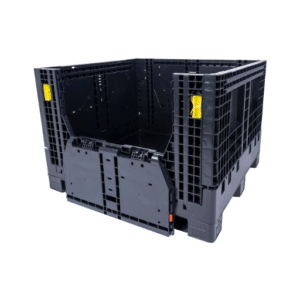
Pallets have emerged as a critical component in supply-chain operations, especially in logistics, warehousing, and manufacturing. One of the lacking points about this choice of pallet is the performance under extreme conditions, especially considering heat resistance and fire-retardant characteristics. This article delves into the scientific aspects of heat tolerance and fire safety of the pallets, with emphasis on the importance of these attributes in risk reduction, regulatory compliance, and operational safety. Whether deciding upon pallet materials or working on a fire mitigation plan for your facility, this detailed guide will provide pertinent insights regarding the way the right pallet type can protect your product and workflow.
Introduction to Pallet Heat Resistance
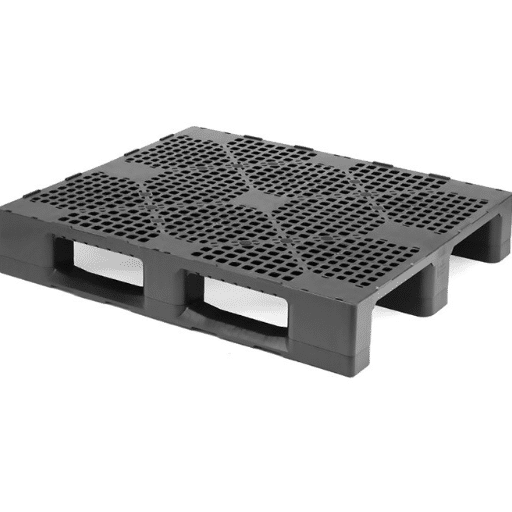
Heat resistance in pallets means the capacity of these pallets to endure exposure to high temperatures without deterioration or loss of structural integrity. This characteristic is of key importance under conditions requiring high heat processing of pallets-for instance, sterilization and being close to some industrial equipment. Usually, heat-treated wood, plastic, and metal materials are taken into account for this property. This type of selection of heat-resistant pallets would help to ensure that the deflections of the pallets due to heat are prevented and that there is no fire hazard under elevated temperatures while handling and storing goods. Thus, in temperature-sensitive operations, one must know how well heat-resistant the pallet is to maintain safety and productivity.
What are Heat-Treated Pallets?
Heat-treated pallet refers to wooden pallets that have undergone processes to withstand high temperatures to meet international standards, mostly set by the International Standards for Phytosanitary Measures No. 15 (ISPM 15). This heat treatment requires heating the wood until its core reaches 56°C (132.8°F) or higher for at least 30 minutes. The main purpose of heat treatment is to kill all pests, bacteria, or fungi that might be residing inside the wood in order that these pallets become fit for international phytosanitary trading.
This heat treatment is beneficial for international transportation, but at the same time, it enhances the performance by drying out moisture that would otherwise cause warping, rot, or mold. According to industry statistics, pallets treated by heat provide more safeguards from contamination and hence are favored by those industries wherein hygiene is paramount, such as food, pharmaceuticals, and agriculture. Each pallet is accordingly marked with an official stamp for ISPM 15 compliance to ensure traceability and conformance to the world standard.
With heat-treated pallets being considered environmentally friendly, they are normally valued above those treated chemically, as chemical treatment involves the application of chemicals that may be harmful. Increased trade volumes and stringent regulations relating to the spread of invasive species have boosted its adoption. This sustainable treatment fit for pallet longevity accords with sustainability goals worldwide.
Importance of Heat Treatment in Pallet Manufacturing
Heat treating wood for pallets is one of the necessary phytosanitary treatments considered under international standards, especially ISPM 15, which requires treatment of wooden packaging materials to prevent the spreading of pests from one country to another. The heat treatment method kills any harmful organisms based on their heat tolerance with no chemical treatment; thus, this method remains ecologically friendly and can be safely used within industries such as food and pharmaceuticals. A heat treatment can also help to produce better-quality pallets by reducing moisture content, thus helping avoid warping or cracking with time. This process, thereby, serves to increase the working life of pallets and facilitates international trade by simplifying compliance with import/export regulations.
Benefits of Using Fire Retardant Pallets
Fire-retardant pallet offers significant advantages to industries regarding safety, compliance, and long-term cost considerations. These pallets offer reduced flammability, which is much needed in an environment where combustibles or hazardous materials are handled. According to data from the industry, fire-retardant pallets can reduce the occurrence of fire damage by up to 50%, hence decreasing injuries.
Fire-retardant pallets also conform to stringent safety standards such as UL 2335 and FM (Factory Mutual), ensuring compliance with fire code regulations and insurance requirements. This compliance thereby mitigates liability risks while also minimizing work interruptions caused by unsafe and fire-prone situations. Many manufacturers use non-halogenated materials or encapsulated additives to enhance the fire resistance of the pallets while also considering the safety of the environment and recyclability, thus making fire-retardant pallets an environmentally friendly choice.
From an economic viewpoint, durable and reliable fire-retardant pallets minimize the need for replacements and reduce downtime caused by fire incidents, lowering operational expenses. They are exceedingly valuable in warehousing, logistics, and chemical manufacturing for-role-in-warranty: Fire safety-related regulatory adherence and risk management. This advantage makes the good fire-retardant pallets a worthy investment for companies placing safety and sustainability as priorities.
Types of Pallets and Their Heat Resistance

| Pallet Type | Heat Resistance | Key Characteristics |
|---|---|---|
| Wooden Pallets | Low | Highly flammable and do not possess much heat resistance. Although they are treated for durability, anything really hot can cause them to ignite; hence, they cannot be accommodated if the environment has greater fire safety code requirements. |
| Plastic Pallets | Medium | Plastic pallets usually have medium heat resistance properties from one plastic to another. For instance, HDPE plastic can sustain somewhat higher temperatures than PP plastic, but the melting point still serves as a limit for fire resistance. |
| Metal Pallets | High | These are heat-resistant and non-combustible. They are called metal pallets of steel or aluminum, and are the best in high-order fire environments, but may be scarcely used because of their heavy weight and high price. |
| Fire-Retardant Pallets | Superior | Fire-retardant pallets have superior heat resistance due to the additives or materials used. These pallets are designed in accordance with fire safety standards and are preferred in industries where exposure to heat and fire is a prime concern. |
Plastic Pallets: Properties and Heat Resistance
Plastic pallets are increasingly used across industries owing to their long-lasting quality, precision design, and environmental resistance. The materials they are made from include high-density polyethylene or polypropylene, so as to have consistent weight, be moisture resistant, and possess a long life span. Unlike wood, these pallets will not soak up water, which makes them suitable for wet environments or those set with high humidity or spills. Furthermore, they resist pests and require little maintenance.
Heat resistance varies among plastic pallets depending on the material used. HDPE pallets can, in general, resist temperatures between -4°F and 140°F. PP pallets will resist heat higher than that because of their superior heat resistance, within a range of 0°F to 230°F. This utility might be crucial for extremely hot or cold temperature applications, like cold storage or in places where sterilization by heat happens. At the same time, too long an exposure to higher temperatures or confrontation with a heat source may cause warping or may lead to damage to its structural integrity.
Fire safety is also supported by plastic pallets, as many designs can include fire-retardant additives. Even if such additives provide a higher resistance to ignition and fire spread, it is important to consider if these meet particular fire safety requirements, for example, Factory Mutual (FM) approval. By weighing these factors, industries are empowered to decide on plastic pallets appropriate for their operating needs and environmental conditions.
Wooden Pallets: The Role of Heat Treatment
Heat treatment is a very important treatment in the making and preparation of wooden pallets, mostly in view of international phytosanitary standards, such as ISPM-15. Heat treatment means that the wood must be heated to at least 56°C at the core of the wood for at least 30 minutes to kill any pests, larvae, and pathogens that may be transported across borders. Therefore, it is an environmentally friendly process-it does away with chemicals and ensures safe use in food or pharmaceutical supply chains. Heat-treating thus helps by drying out the wood and preventing warping, splitting, or mold growth from higher moisture content. Heat treatment not only prevents the dispersal of invasive species but, due to the subsequent reduction of the wood’s moisture content, also prolongs the lifetime of wooden pallets under different operative circumstances, turning them into a sustainable and compliant intermodal carrier.
Comparing Heat-Treated and Non-Heat-Treated Pallets
Heat-treated pallets provide greater protection against pests and diseases than non-heat-treated ones. Upon attaining the proper standards set up internationally and further accepted as ISPM 15, these pallets become valid in trade. Thus, heat treatment eliminates the chances of invasive species or organisms being spread. In other words, the heating process increases wood strength, thus reducing the risk of warping, splitting, or degrading due to sudden changes in moisture content. They, therefore, tend to be more resistant to use and less susceptible to environmental changes than the non-heat-treated pallets.
On the other hand, induce-have pest infestation and moisture-related damage and operational hazards, which include contamination and early degradation of wood. These pallets normally cannot be used for international shipment due to regulatory issues, hence they may be chemically treated by some more processes against pests, which also might leave hazardous residues in certain supply chains. For industries emphasizing compliance, sustainability, and load durability, heat-treated pallets should take precedence over any other pallet.
Industry Applications and Logistics
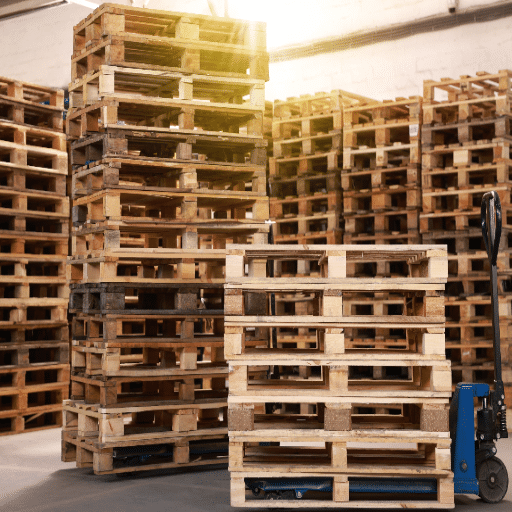
These types of pallets are heat-treated and used in industries like agriculture, pharmaceuticals, and manufacturing that require compliance with international shipping standards. However, there are ISPM-15 regulations to be met, which ensure the protection of pallets from pests while crossing borders. The greater serviceability also renders these pallets compatible with automated material-handling systems, and hence, ideal for large-scale supply chains. Heat-treated pallets favor sustainable and efficient logistics operations in global trade by minimizing the risk of contamination and ensuring stringent compliance.
Pallets in High-Temperature Environments
Heat-treated pallets are specially intended to retain the integrity of structure and good performance under high-temperature conditions. These pallets resist warping, cracking, or degradation under elevated temperatures, which is crucial for kilning, metal processing, and high-temperature storage industries. The heat treatment of wood modifies the wood’s natural characteristics so that it reduces moisture inside and makes greater thermal tolerance with respect to heat-induced damage. Heat-treated pallets enjoy such a high reputation in the above environments because they conform to the ISPM-15 regulations of pest-free and durable pallet solutions for international shipping. For applications in which heat exposure is sustained for periods of time, the use of metal or composite pallets is suggested to guarantee performance and safety in the long term. Pallets make a difference to the successful delivery of the product and the efficiency of the entire operation in an industrial setting characterized by temperatures above normal.
Logistics and Fire Hazards: Best Practices
Management of logistics for fire hazards is the key to operational safety and risk mitigation in supply chains. The United States registers about 1,410 warehouse fires every year, leading to heavy losses of property and goods, and fire prevention should therefore be a core industrial operation. From a preventive point of view, adherence to NFPA (National Fire Protection Association) standards will go a long way in mitigating fire hazards, including conducting risk assessments, installing sprinkler systems, and handling combustible materials.
Correctly storing and segregating flammable materials reduces the chances of ignition. For instance, hazardous goods stored in fire-proof containers with adequate separation greatly diminish the risk of fire spreading quickly if there is a sudden ignition. Moreover, ensuring routine maintenance of electrical systems helps curb fire outbreaks as electrical hazards constitute a leading cause of fires in storage facilities.
If we’re talking about advanced fire suppression, imagine sprinklers that install AI and Internet-connected sensors for the moment-by-moment detection of anomalies. OSHA regulations and other requirements that include in-depth employee training in fire safety would help to manage all risks and keep emergency response ready. In the end, a multi-layered fire prevention strategy will ensure the protection of assets, workforces, and the continuity of the supply chain.
Export Regulations for Heat-Treated Pallets
Heat-treatment plays an important role in assuring international trade and protects ecosystems on both sides of the border from harmful and alien species. Most countries follow the guidelines set out under the International Standards for Phytosanitary Measures No. 15 (ISPM 15). According to these guidelines, wood packaging materials have to undergo heat treatment so that the core temperature of the wood reaches 56°C (132.8°F) for at least half an hour. This harmful treatment destroys pests that are harmful to the local ecosystem, such as borers or fungi.
Being ISPM 15-approved would require that an IPPC mark, the imprint in visible letters certifying that the material is properly treated, should be affixed to each and every pallet. Instances of non-compliance may include issuance of fines, shipment quarantines, or even the return of exported goods. Some very strict enforcement occurs in countries like the European Union, the United States, China, and Australia, with numerous inspections to ensure full conformance with phytosanitary requirements.
Market statistics further show that the heat-treated pallet sector is witnessing tremendous growth, stimulated by regulatory demands and global trading. The pallet market is suspected to be hitting close to $95 billion by 2030, with wood pallets accounting for almost 90% of the market, so understanding export regulations to remain competitive is very important.
Exporters typically ought to stay updated with changes in regulations of their destination country, since procedural requirements as they are enforced may be subject to change. Supply chain risk management health may be enhanced through a documented, informed approach, timely audits, and working with certified pallet manufacturers. This ensures that the parties live by the standards, thus improving trade transactions at an international level.
Heat-Treated Pallets: Advantages and Applications

Heat-treated pallets have great advantages that include compliance with phytosanitary standards during their international shipment, for instance, ISPM 15. They are heat-treated in order to kill pests and pathogens so as not to contaminate the product and hence translate into the adverse requirement of acceptance in world trade. Heat-treated pallet wood is also quite durable and resistant to environmental conditions, so it can be subjected to prolonged use in a number of conditions. Export of goods, among other usage applications, supporting industries that require stringent hygiene, and protection of environments requiring pest prevention, such as those of food and pharma supply chains, are of great interest. Therefore, heat-treated pallets contribute to the safety and compliance aspects, forming a crucial factor for smooth, compliant global trade.
Benefits of Heat-Treated Pallets in Various Industries
Increased Durability and Higher Life Span
Heat-treated pallets undergo treatment to sanitize and remove moisture, preventing undesirable moisture-borne and pest-related damage to standard pallets. They are impervious to critical elements like mold, fungi, fungus, or insects. Such characteristics render these sanitizable pallets suited to industries with extreme sanitary requirements, including food and pharmaceuticals. Longer life translates to more savings for the end-user since less need will exist for pallet replacement.
Being Compliant with International Standards
With international shipping standards in effect, such as ISPM-15 and so forth, requiring the use of heat-treated pallets in exporting operations to prevent the spread of unwanted invasive pests, they come in handy for industries in international trade by way of seamless export clearance and curtailment of delays due to matters of non-compliance.
Environmental and Sustainability Considerations
These heat-treated wooden pallets are an environmentally friendly alternative as they do not require chemical fumigation. They are produced with and used in sustainable ways to reduce the chemical evaporation into the atmosphere while being recyclable and reusable at several shipping cycles.
Improved Load Capacity
Heat-treated wooden pallets undergo a method that increases their structural strength, allowing heavier loads to be placed without jeopardizing stability. This ability is essential in sectors like automotive, construction, and heavy machinery logistics, where heavy-duty packaging measures are needed.
Versatility for Industry Uses
Heat-treated wooden pallets can be used in varied applications, ranging from agricultural exports to precision electronics. They protect sensitive and restricted goods under international supply chains while ensuring pest-free status so that they comply with even the most stringent hygiene standards.
How Heat Treatment Enhances Pallet Lifespan
Heat treatment, being such a good method, allows for an enhanced wooden pallet lifespan, as it changes the wood structure to increase the durability and performance of the wood. Wood, in this case, is heated at controlled temperatures between 130°C and 220°C (266°F and 428°F). This high-temperature treatment removes moisture content and destroys any form of living organisms, organisms that would do damage to the pallet, including molds, fungus, and wood-boring pests.
Research finds that heat-treated pallets enjoy enhanced resistance against warping, cracking, and decay. With a decreased internal moisture content, treated pallets stabilize the cellular structure of the wood and thus are freed from the consequences of environmental fluctuation, particularly those manifestations of extreme heat and humidity. Heat-treated pallets can generally live between 8 and 10 years or more under comparable conditions, whereas non-treated pallets can only survive anywhere between 4 and 5 years, depending on their use.
Key Research Finding: Heat treatment reduces mold formation by about 80%, even in demanding storage environments with little ventilation, and ensures there are fewer instances of pallet failures at the business end, resulting in lowered replacement costs and better-running supply chains.
This combined heat treatment is an excellent process to maintain sanitary conditions and infestation resistance of wood pallets during transit, making them eligible for industries that maintain stringent regulatory standards like pharmaceuticals and food logistics. It has been well documented through studies that the treatment process reduces the levels of mold formation by about 80%, even in demanding storage environments with little ventilation. It can be easily removed and hence ensures there are fewer instances of pallet failures at the business end, resulting in lowered replacement costs and better-running supply chains.
With heat treatment, concerns such as splitting can be minimized when the pallets undergo heavy loading, thus maintaining the structural integrity of the pallets throughout their extended use. They are all factors that come into play to increase their working life span, gain in savings, and reliability in an industry that depends on highly performing pallets.
Logistics and the Role of Heat-Treated Pallets
Logistics would be incomplete without heat-treated pallets, which ensure the smooth running of global supply chains. These pallets go through heat treatment processes to meet the phytosanitary standards, such as those stated in ISPM 15 regulations, aiming to stop invasive pests and diseases from being spread via wooden packaging materials.
The subject of treatment is the wood pallet, wherein the core of the timber is heated to at least 56°C (132.8°F) for a minimum duration of 30 minutes, thereby killing any insects or larvae that may be present inside. This becomes increasingly crucial with the expansion of international trade as numerous shipments go from one country to another every day. For example, it is estimated that more than 6 billion wooden pallets were used globally in 2022, further pushing the need to practice sustainable pallet use and compliance.
In combination with regulatory requirements, heat treatment of pallets offers durability to shipments as one of the factors. These pallets do resist damage caused by moisture or decay, which makes them suitable for long-distance and intercontinental transport. Such a reliability system would mitigate any kind of delays that could result in the goods reaching in compromised conditions.
Thus, the use of heat-treated pallets spells sustainability. Logistics operators are increasingly intent on lowering environmental impact, and the reuse of treated wooden pallets fits the circular economy criteria for such objectives. These pallets are recyclable and biodegradable, confirming the green consciousness along with shipping systems of plastic-based materials.
With a growing demand for efficient and sustainable solutions in logistics, heat-treated pallets are still a necessary part of building a strong and responsible global supply chain. Their versatility and compliance with international standards weigh positively on contemporary logistics practices. Thus, being environmentally friendly only adds to their importance.
The Future of Pallet Heat Resistance

Pallet heat resistance developments are concerned with developing materials and treatments capable of withstanding high temperatures yet retaining their structural integrity. Innovations include such areas as enhanced heat-treatment processes and the selection of composite materials. These improvements arise from the growing need of the worldwide logistics industry for reliable, sustainable pallets that can perform better under extreme conditions.
Trends in the Pallet Industry
Being prey to the ravages of time, the pallet industry may relentlessly witness several coming trends dictated by sustainability, innovation, and technology. A major trend leans towards greener pallets, including recycling materials and providing biodegradable options to satisfy mounting environmental regulations and consumer demand for sustainability practices. The use of plastic/composite pallets is also growing, for they are more durable, cleaner, and easier to reuse compared to wooden pallets.
Another trend is smart technology integration. IoT-enabled pallets having RFID tags and sensors help in improving supply chain efficiency with their real-time tracking methods, thus able to keep the inventory locateable and lessen losses due to theft or misplacement. This technology gives logistics managers more visibility and control.
Finally, lightweight and high-performance pallets should be implemented to optimize transportation costs and minimize carbon footprints. Advanced manufacturing methods and materials are being explored to achieve this while complying with international shipping standards. These new developments signify a fast-changing industry that addresses operational efficiency, sustainability, and technological integration.
Innovations in Fireproof Pallet Solutions
This is one of the vital evolutions in fire-resistant pallet solutions: the advent of advanced composite materials that are inherently resistant to fire. This ensures safety in storage and later transport while adhering to assertive fire safety standards. Then there are smaller lines of engineering for coatings and treatments applied onto conventional pallet materials like wood or plastic to increase their fire protection while providing a rewarding alternative in respect of their cost; that is, the performance of these treatments is comparable to the untreated material.
Final Thoughts on Pallet Durability and Safety
In brief, ensuring pallet durability and safety involves taking a comprehensive approach that incorporates material innovation, maintenance issues, and safety regulations. Advanced composite materials endowed with inherent fire resistance and superior coating systems for traditional materials are rendering the pallet safer within very strict industry standards. Regular inspections, load testing, and applying top erection practices for all-purpose pallet use could increase the life span of the pallet and maintain structural integrity. In the long run, cost-effectiveness, performance, and environmentally friendly considerations should all be balanced to make pallets more durable and safe.
Reference Sources
Behavior of Steel Storage Pallet Racking Connection – A Review
Experimental Study on Determining the Optimum Cigarette Butt Content of Modified Bituminous Mixture
Nanotechnology in Food Packaging and Food Safety
Frequently Asked Questions (FAQs)
What are heat-treated pallets, and what are the aspects that make them comply with international standards?
Heat-treated pallets are wooden pallets that are heated in a heat treatment procedure aimed at killing any pests and pathogens inside the wood. Thus, they meet the ISPM 15 standards-the international regulations regarding treatment of wooden packaging material for use in international trade. Usually, these pallets will have a heat-treated marking and can be freely shipped with goods across borders without the issue of pest contamination.
How do fire-retardant plastic pallets compare to conventional wooden pallets?
Fire-retardant pallets have been made to resist ignition and the spread of fire, thus making them safer in places where fire hazards are there. On the contrary, there are wooden pallets, which pose a significant fire risk. Fire-retardant plastic pallets, therefore, afford durability and longevity, thereby lessening the chances of damage in case of prolonged heat incidents. Plus, being recyclable when their life expectancy comes to an end, it’s always good to have less environmental impact.
How does heat treatment affect the durability of pallets?
Heat treatment is an important process that increases the strength and life of pallets. It is carried out by subjecting wood to a heat process, which finally removes moisture and pests that deteriorate its structure with time. This heat treatment further increases the life of pallets and, under ISPM 15 standards, is recommended for international shipping. These pallets are designed to handle the stresses of shipping goods without losing their structural integrity.
What about untreated wood pallets? Are they an environmental hazard?
Using untreated wooden pallets can be far worse for the environmental balance. Since they are untreated, these wooden pallets develop more susceptibility to pests and weathering, leading to rejection raised on their use for shipping. Furthermore, untreated wood leads to a high frequency of replacement, thereby increasing waste and fast-tracking deforestation. On the contrary, heat-treated pallets are a favorable environmental option as they fulfill international standards without the need for chemical treatment.
Are heat-treated pallets reusable or recyclable?
Yes, heat-treated pallets can be reused and recycled. The pallets’ strength and durability give them the possibility of being used many times in logistics and shipping. Once a pallet reaches the end of its life, it can be recycled into another product or material, thereby avoiding waste and supporting sustainable processes. Such versatility serves to prefer the use of heat-treated pallets, especially for industries that strongly want to decrease their environmental footprint.
What are the advantages of logistics in using rackable pallets?
Rackable pallets facilitate storage and transportation so that warehouses and shipping agents alike can maximize space. Being sturdy, these pallets can carry heavy loads without endangering safety. Such versatility allows rackable pallets to fit perfectly into logistics operations, where they streamline processes and minimize shipping bills, all while conforming to industry standards.
What about heat treatment in some of its modifications to pallet rejection?
A great number of the rejection cases against pallets are brought about when the pallets have not undergone Heat treatment. Heat-treated pallets prevent pests and pathogens from being present in the untreated wood and eliminate the risk of infestation in shipment, therefore accepted in several markets on an ISPM 15 standard, thereby minimizing some logistical hassles and improving the efficiency of goods transportation across borders.
What Should You Consider between Heat-Treated and Untreated Pallets?
When choosing between heat-treated or untreated pallets, consider factors including but not limited to durability, or an environmental point of view-for example, acceptance with international standards. From the clarity of suitability internationally and rejection issues, heat-treated pallets can offer superior durability and enhanced strength, holding the load. On the other end, untreated pallets might be cheaper on first buy but could soon lose foe viability; there is the cost of insect treatment or even worse, the results of insects. Merely by weighing such factors, you can make the choice specific to logistic needs.