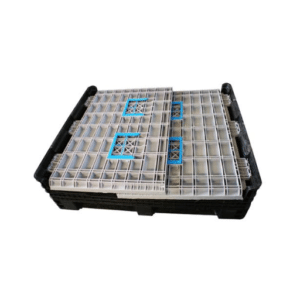
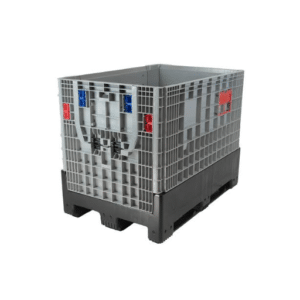
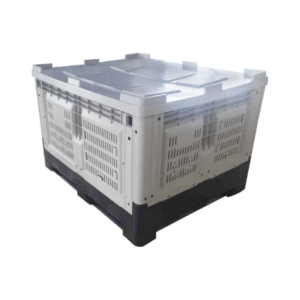
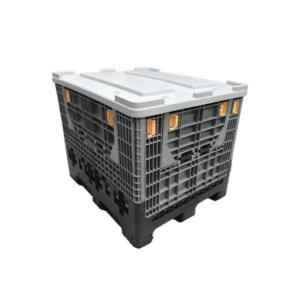
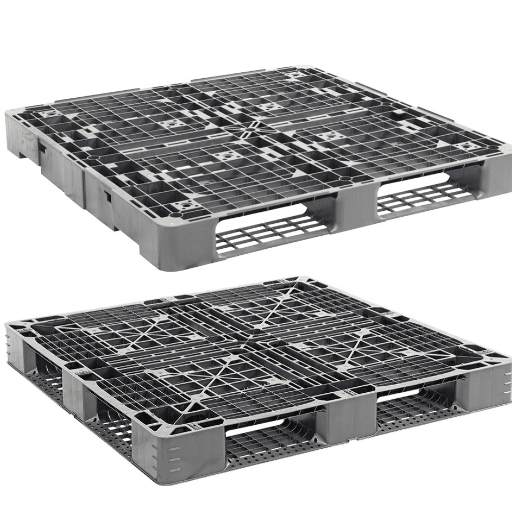
A game-changer since their inception in the shipping and logistics industries, used plastic pallets stand as a Greek Titan sustainable and heavy-duty alternative to traditional wooden pallets. Be it for cost-reduction or better operational efficiencies or adding that little thing called social conscience to your business, these pallets offer an array of options and benefits to companies: big or small. This all-around guide will navigate you through everything about used plastic pallets-from the benefits to the types to sourcing the good stuff. By the time you finish reading this blog, you’ll be able to make an informed shipping decision, marking the beginning of a smarter and greener supply chain.
Understanding Plastic Pallets

Plastic pallets constitute strong, lightweight, and utilitarian tools for supporting and moving goods efficiently. Unlike a wooden pallet, plastic pallets can resist moisture, pests, and chemicals, thus providing a sanitary and durable alternative. Various types of plastic pallets are available: stackable, rackable, and nestable, to name a few; each fulfills varying needs of transport and storage. Most plastic pallets may be recycled, enhancing their contribution toward sustainable supply-chain practices. Their consistent quality and easy maintenance virtually guarantee their use in any number of industries.
What are Plastic Pallets?
Plastic pallets are sturdy and versatile tools for handling and transporting materials, with many advantages over traditional wooden pallets. Longer service life is one such feature-the plastic pallets could serve well for a period of 10 years or even more if properly handled, thereby reducing replacement costs compared to wooden pallets, which could be replaced more often because of damage.
The plastic pallets are appreciated for hygiene and safety. They resist contamination by moisture, bacteria, and chemicals, splitting from wooden pallets that do not, the contaminations being potential hazards in industries like food and pharmaceuticals, where purity is a must. Further, plastic pallets do not have any corners or edges that might cut, splinters that might injure, or nails that might be exposed, all of which could be a hazard to the handler.
Plastic pallets come in several types and serve different purposes. For example, lightweight export pallets are used for one-way shipments in order to save on shipping fees, whereas heavy-duty rackable pallets will hold extremely high static loads-depending on the design, often 5,000 pounds or more. Nestable pallets conserve space because they take up less room when not in use; meanwhile, stackable pallets strike an excellent balance of stability during shipment.
Another feature of plastic pallets is sustainability. Most are recyclable at the end of their life, thereby causing less waste and saving the environment. Some companies even use recycled materials to manufacture these plastic pallets, making them even greener.
From retail warehouses to manufacturing plants, plastic pallets provide measurable cost savings, space efficiency, and environmental value, thus making them indispensable for contemporary supply chains.
Benefits of Using Plastic Pallets
The Durability and Longevity
Plastic pallets can withstand heavy loads and extreme environments and are generally more durable than wooden pallets. Without resistance to moisture, chemicals, or pests, their life and, ultimately, the expense of frequent replacement would be much lower for wooden pallets.
The level of Hygiene and Safety
Contrary to wooden pallets, plastic pallets are easy to disinfect as they do not absorb moisture. This makes them perfect for the food and pharmaceutical industries, where hygiene is paramount. They lack anything that could contribute to causing injuries, and hence, for safety in the workplace.
Lightweight and Space-Efficient
Since plastic pallets are lightweight, their transport becomes cheaper and more efficient. A good portion of the designs make for nesting, allowing companies to save on storage space and on transport costs as well.
Eco-Friendly
Most plastic pallets are recyclable once their lifecycle ends, while many are manufactured using recycled materials. This, in turn, promotes waste reduction and sustains greener practices that go in congruence with the growing clamor for sustainable businesses.
Cost Savings Over Time
Even if plastic pallets may be costlier than wooden ones initially, they can fetch a lot in savings over the years because of their durability, low maintenance, and reusability properties.
Hence, certain industries are taking advantage of these benefits and have made plastic pallets an integral part of their supply chain strategy.
Types of Plastic Pallets Available
Plastic pallets also exist in myriad designs and functionalities to fulfill different industrial requirements. Here are the main kinds thereof:
| Type | Description | Best For |
|---|---|---|
| Nestable Plastic Pallets | Stacked inside one another, these pallets save precious storage space when not in use. They are often light and cheap. | One-way shipments or storage optimization |
| Rackable Plastic Pallets | Manufactured ruggedly to secure loads of heavy weight and are compatible with racking systems. They have uniform dimensions. | Industries requiring secure and standardized storage |
| Stackable Plastic Pallets | Designed to stack securely on top of each other without crushing the materials resting between them. | Shipping and storage operations where space efficiency is prime concern |
| Hygienic Plastic Pallets | Smooth surfaces and corners that are easy to clean. Follow strict hygiene standards. | Food processing, pharmaceutical, and healthcare sectors |
| Customizable Plastic Pallets | Produced according to specific requirements including sizes, colors, and even branding. | Businesses with special transport and storage needs |
These pallet types are flexible, efficient, and environmentally-friendly, making them indispensable tools in modern supply chains.
Used Plastic Pallets for Sale

Used plastic pallets are a low-cost solution that can help an organization save on expenses while maintaining all quality standards. They retain their durability and functionality under various storage and shipping requirements. They often come in standard sizes and can be procured from reliable suppliers specializing in recycled or refurbished pallets. Used plastic pallets keep sustainability in focus while presenting a cheaper option for supply chain operations.
Where to Find Used Plastic Pallets for Sale
A company looking to buy used plastic pallets for its operational needs will find ample sources. Recycling centers and pallet refurbishing centers will be the perfect places to start since they mostly concentrate on collecting, fixing, and reselling used pallets. Online bazaars on the likes of Alibaba, eBay, and Craigslist boast a large selection of used plastic pallets, whereby businesses may even compare prices and specs. Other specific suppliers that sell refurbished pallets fit for various industries include One Way Solutions and Premier Handling Solutions.
Many wholesalers and logistics companies sell used plastic pallets almost directly, sometimes printing listings on their web pages. Those wanting a local option could inquire at industrial supply stores and warehouses around for any excess pallets that they might be buying in bulk. The prices of used plastic pallets usually fall between $5 and $25. The pricing depends on the pallet’s condition, size, and weight capacity. They provide a larger platform to secure quality, green pallets while saving a lot on costs.
Evaluating Quality Used Plastic Pallets
Used plastic pallets should be assessed for their structure, weight capacity, and the material used in the manufacturing procedure. Look out for cracks, warps, or excessive wear on pallets, as these defects reduce their life expectancy or utility. Plastics used for pallets commonly include HDPE and PP or polyethylene and polypropylene, which offer resistance to moisture, chemicals, and heavy loads. HDPE plastic pallets are more in used in the food and pharmaceutical industries due to the fact that they are hygienic and are much easier to clean.
The used plastic pallets market today kind of offers a variety of sizes, with the 48″ x 40″ being the most classic. They carry up to 5,000 pounds of static weight and 3,000 pounds of dynamic weight, depending on the design. These pallets are stackable or rackable, providing additional convenience for storage and transport. Companies can also avail themselves of some specialized features like anti-slip surfaces, reinforced runners, or vented decks, which may further improve the performance of their pallet systems.
When all is said and done, the knowledge of the needs and expectations of a particular operation would essentially allow one to survey and select used plastic pallets that could go through the rigors of daily use and yet remain cost-effective.
Pricing Trends for Used Plastic Pallets
The pricing of used plastic pallets is influenced by material, size, condition, and demand. On average, prices can range from $5 to $25 per unit, depending on quality and features. Recycled HDPE or PP-plastic pallets will usually bring a higher price because they are more durable and have a longer life than those from lower-grade materials.
Demand is almost an umbrella affecting price trends. To explain, when economic activity is high or increased demand has arisen for e-commerce, businesses search for an inexpensive logistics solution, and the prices for used pallets are often escalated. Seasonal industries such as agriculture and retail may also have their say in this regard, depending upon shipment cycles. Other contributing factors resulting in price increases in recent years are global supply chain disruptions and a shortage of materials.
Another aspect that affects the pricing of pallets is their special features. These can be things such as reinforced designs or nestable structures for efficient storage, or even vented surfaces specific to goods, such as perishable ones. These advanced features are usually priced at a premium by sellers, with the added value and functionality.
The business buying used plastic pallets should consider buying in bulk so as to enjoy discounts given for such. Also, they should consider suppliers based on their refurbishing processes and warranties to ensure quality in the end, thereby affecting cost-effectiveness. It remains important to stay abreast of these trends to make sound purchasing decisions.
Shipping and Storage Solutions
Shipping and storage solutions are determined by the nature of goods, cost, manner, and storage concerns. An insulated or climate-controlled container is necessary for goods that are fragile and perishable. Sturdy pallets that can be stacked would be adequate to optimize space and provide good transport. In storage system selection, modular shelving or racks should be considered for their flexibility and easy accessibility. Always give consideration to suppliers with credited experience to uphold the quality and efficiency of services.
Shipping with 48×40 Plastic Pallets
Durable, practical, and efficient, the 48×40 plastic pallet finds widespread use in the shipping business. Plastics commonly used for their manufacture are high-density polyethylene (HDPE) and polypropylene (PP), ensuring that while they remain light, the weight they hold might still be heavy. Standardized at 48 inches by 40 inches, the pallets work in synchrony with most material handling systems, including those of forklifts, pallet jacks, and conveyor belts.
Being resistant to moisture, pests, and bacteria is the foremost advantage of plastic pallets when compared to wooden ones. This makes them highly suitable for an industry like food, where hygiene issues are paramount. Plastic pallets last almost 10 times longer on average use as compared to wooden ones, allowing for cheaper replacement costs over time. Also, their smooth surfaces decrease the chances of goods being damaged during transit and are also very easy to keep clean, thus adhering to great sanitation standards.
Environmentally, a lot of 48×40 plastic pallets can be recycled, which allows them to fit into a sustainable shipping practice. Some manufacturers even use recycled materials to make these pallets, which adds to the eco-friendly image. These pallets weigh somewhere around 35 to 50 lbs, depending on the design, and can handle up to 5,000 pounds of static load or around 2,500 pounds of dynamic load. This ratio of strength to weight contributes toward making shipments more efficient and lowering freight expenses.
Retaining heat treatments or fumigations in plywood packaging and meeting ISPM-15 standards for international shipping is considered costly, so plastic pallets do away with such extra steps. With consistent size and rugged design, plastic pallets are ideally suitable for use in automated storage and retrieval systems (ASRS), wherein precision and dependability are necessary.
This means that choosing to invest in 40×48 plastic pallets is worthwhile for any company that wants a strong yet versatile solution for the shipping process that meets high standards of hygiene and durability.
Stackable Pallets for Efficient Warehouse Use
Stackable pallets are intended to maximize storage space in view and keep the warehouse organized. These pallets can securely nest on top of one another when not being used, thus saving valuable floor area. They are rugged in construction: able to carry heavy loads without giving way, which makes them especially suitable for industries with huge storage requirements.
Stackable plastic pallets are well worth the comparison against other materials because of their resistance to moisture, chemicals, and pests; they boast a longer life span and easy maintenance. Wooden stackable pallets may have lower upfront costs, but need replacing and upkeep more often. Metal pallets are far more durable, hence also heavier and more expensive, thus limiting their use to very specific heavy-duty situations.
Installing stackable pallets upon an automated handling system, such as an ASRS, smoothens workflow operations while lowering labor requirements. By means of their identical sizes and firmness in design, the highest level of stability can be offered for safety in a high-stack environment. They further aid combinations of versatility affecting various orders of operations, ranging from cold storage to industrial processing.
In a nutshell, stackable pallets provide top efficiency in applications and cost savings to a company, ki.bootstrap._value.all. Various warehouses or distribution centers, in turn, would be worth purchasing.
Containers and Bins for Plastic Pallet Storage
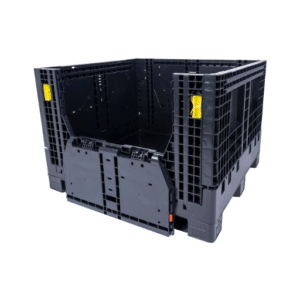
Container and bin storage for plastic pallets helps with organizational efficiency and safeguards the goods during transportation or storage. Such storage ranges are typically manufactured from materials that can stand the heavy weight of goods and rough conditions, like HDPE. Different sizes, dimensions, and configurations are offered to suit the requirements of several types of goods. For example, stackable and collapsible ones save on floor space when not in use; vented ones give superior air circulation to the perishable type of product. Also, almost all containers and bins are manufactured to fit perfectly with standard pallet sizes, thereby making handling easy, whether through an automated or manual warehouse. The choice of containers and bins that best fit your operation will expedite workflow and lower the risk of damage to stored goods.
Industry Applications of Used Plastic Pallets

Since used plastic pallets are strong, reusable, and moisture-resistant, this is what they are used across industries. Storing and shipping goods are some of the most common uses for them in retail, manufacturing, and food industries. They are also widely used in the pharmaceutical sector, where hygiene and cleanliness are of utmost importance. In addition to being light enough to lower shipping costs, plastic pallets work with automated systems to maximize operational efficiency throughout the supply chain.
Common Industries Utilizing Plastic Pallets
In plastic palleting, there are many benefits: durability, hygiene, and cheapness among them. The logistical and warehousing industries use plastic pallets as they are light, helping reduce transport costs and providing ease of handling. The food and beverages industry uses plastic pallets due to hygienic concerns, contamination resistance, etc., ensuring perishable goods remain safe. Pharmaceutical and healthcare sectors also use plastic pallets as they meet cleanliness specifications for moving medical products and sensitive equipment.
Case Studies: Success with Used Plastic Pallets
1. Streamlining Supply Chain Operations
A major global retailer succeeded in implementing used plastic pallets into its supply chain to lower costs and enhance efficiencies. The retailer switched from wooden pallets, which are prone to damage in transit, to plastic pallets that cause less damage. As these plastic pallets are lighter, shipping costs are reduced; owing to their durability, replacements are low. A win for operational efficiency and sustainable initiatives that further promote the reuse of materials and resources.
2. Sustainability in the Food Industry
In the region, a food distributor switched to using refurbished pallets that are hygienic and pro-environmental. These pallets were non-mildewing and non-staining, thereby making their usage compatible with the existing food safety laws, which enabled the company to deliver very perishable products safely. Furthermore, by saying ‘yes’ to refurbished pallets instead of new ones, the distributor reduced the overall carbon footprint of their activities whilst maintaining high-quality standards in undertaking.
3. Cost Savings in the Pharmaceutical Industry
The pharmaceutical company in this case turned to using plastic pallets in the hope of meeting their stringent requirements on cleanliness for the transportation of sensitive medical products. The pallets had non-porous surfaces, were easily cleaned, and lowered the risk of contamination compared with other types, while still complying with rules in the industry. This allowed the company to save on costs and utilize reallocated resources in supporting other very important aspects of their business, without compromising on the product safety and quality.
Clearly, these instances exemplify the flexibility, economic advantages, and environmentally friendly propositions that the usage of used plastic pallets offers to various industries.
Recycling and Sustainability in the Pallet Industry
Hence, the pallet industry holds one of the key areas in the promotion of sustainable practices. Plastic pallets have become more and more valuable since they can be made durable to serve long-term use, reusable, and recyclable, yet do not rely on a few materials of importance. In many companies, a closed-loop recycling system is followed, with damaged pallets being collected, crushed, and resynthesized into new pallets to lessen the amount of waste. Such a practice not only preserves resources but also reduces carbon emissions generated during the manufacturing of new products.
Deriving wood is biodegradable, yet wooden pallets also represent another way of sustaining the environment when properly addressed. Recycling plants convert old or damaged wooden pallets into products such as mulch, animal bedding, or fuel pellets, consequently extending the life of these materials. Also, maintaining and fixing wood pallets lessens the requirement for virgin wood.
With the integration of modern recycling technologies and with organizations focusing on the reuse of materials, this industry continues to conserve the environment as it caters to contemporary logistics needs. The whole idea of waste reduction highlights the importance of sustainable practices and the creation of a circular economy.
Choosing the Right Pallet Manufacturer

When selecting the right pallet manufacturer, weigh the key points like quality, sustainability, and reliability. Pick manufacturers that are known to provide strong, durable pallets to your exact standards. Opt for companies that put value on environmentally friendly practices, from using recycled materials to selling repairable pallets that go into landfills. Make sure the manufacturer can satisfy your supply requirements on time every time, so in turn, you are given prompt attention should you want to raise any concerns. A proper assessment of these issues will point you to a reliable company that corresponds with your operational goals and those of sustainability.
Top Manufacturers of Plastic Pallets
| Manufacturer | Specialization | Key Features |
|---|---|---|
| ORBIS Corporation | Reusable plastic pallets for environmentally friendly supply chains | Stackable, rackable, and nestable pallets made from recyclable materials. Customizable solutions with excellent customer support. |
| CHEP | Global leader for palletization solutions | Premium plastic pallets that are repairable and reusable. Offers consultation services and supply management for scalable solutions. |
| Greystone Logistics | Pallets made from wholly recycled plastics | Durable pallets perfect for long-term use in harsh environments. Comprehensive range for food, pharma, and manufacturing industries. |
Looking at these top manufacturers, you can find solid, environmentally-friendly solutions that serve your operational purpose.
Factors to Consider When Selecting a Manufacturer
There are a few things I have to think about when I choose a manufacturer. First, I evaluate an actual product’s quality and durability to ensure that my operational needs will be met by such a product. My second consideration is about their sustainability commitment because eco-friendly practices are of interest to me. Third, I consider whether they have the production capacity and the reliability to take on or complete orders on a large scale. And my last consideration is the industry expertise and track record they provide, ensuring that such consideration fits well with my particular needs. With these considerations, I can make an informed choice.
Euro and Other Standards in Plastic Pallet Production
More and more plastic pallets are being designed in conformity with the European standards (commonly known as EUR-pallets or EPAL standards), thereby making them compatible with logistics systems worldwide. Such standards encompass specifications for dimensions (customarily 1200 mm x 800 mm), load-carrying capacity, and durability, implying suitability for automated warehouses, export compliance, and conveyor systems across functional international boundaries. Other manufacturers have been fitted with the ISO standards for size and strength requirements as well, promoting operational efficiency in multiple industries.
While selecting plastic pallets, examine the pallet’s compliance with these standards, along with certifications such as HACCP for food safety and FM approval for fire-retardant properties. Top manufacturers use prime, recyclable materials to assist in meeting sustainability concerns but also leave room for various customizations, given the varied nature of customer operations. Recognizing these standards can allow a company to reorganize the production process, hence saving on costs and confidently handling requests in a global supply chain.
Reference Sources
2. Pallet of Weighing Sensor Error Calibration Device FEM Analysis and Optimization
3. Destructive Testing of Wood Plastic Composite (2021)
Frequently Asked Questions (FAQs)
What are the benefits of using used plastic pallets?
Used plastic pallets have several advantages, including durability and resistance to moisture, so different industries such as automotive and food processing can utilize them. Moreover, they are cheaper than wooden pallets since they can be used repeatedly without compromising the reliability and quality of the pallets.
How are used plastic pallets fit for international shipping standards?
Many used plastic pallets are constructed according to international shipping safety standards. The design and material of used plastic pallets make them withstand all rigorous conditions during transportation. Also, they can be customized as per different industries’ requirements to make sure that the pallets are fit for purpose.
Different sizes of used plastic pallets.
Yes, used plastic pallets will come in different sizes, including the commonly accepted 48×40 and 48×48 dimensions. This range offers businesses an opportunity to select pallets that are best suitable to load capacities and weight distribution requirements to maximize their operations.
Can used plastic pallets be customized for specific applications?
Yes, certainly! Several suppliers offer used plastic pallets that can be customized to meet specific requirements. This can include changes in size, color, and design to match particular applications such as bins or containers for special products.
What industries usually employ used plastic pallets?
Used plastic pallets are put to use in a wide range of industries, such as automotive, food and beverage, pharmaceutical, and retail. Their versatility is interspersed with a range of applications, from warehousing to shipping.
Where to find quality used plastic pallets for sale?
Used plastic pallets can be found at so many wholesale distributors and pallet manufacturers nationwide. These are often stock and ready to ship, offering businesses an immediate solution to their pallet needs.
What is the environmental impact of the use of plastic pallets?
The use of plastic pallets can support the environment through their recycling and reduction of waste. If companies go for durable plastic pallets, they lessen the need for disposable wooden pallets and carry out their operations in a more environmentally friendly way.
Are used plastic pallets cheaper than new wooden ones?
Used pallets tend to be cheaper, especially new ones made of virgin materials, making them a desirable option for businesses aiming to cut back on logistics costs while still receiving the best and reliable solutions for their pallet needs.
What are the codes and safety standards of used plastic pallets?
The used plastic pallets are made according to stringent safety standards so as to reliably perform in all operating conditions. These standards specify parameters such as load capacities and robustness for heavy-duty applications.