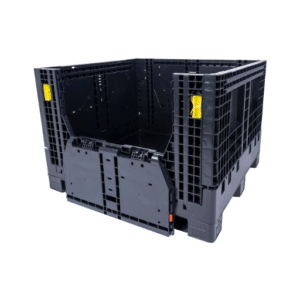
In light of the growing complexity in contemporary logistics processes, it has become imperative to employ sophisticated systems geared towards efficiency improvement. Plastic pallets are a key staple of the modern warehouse; they allow for greater durability than conventional wood-based pallets, often with a reduced carbon footprint and improved efficiencies. However, with a wide array of choices available, how does a business ensure it selects the right plastic pallets to suit its needs? This is a detailed report that intends to simplify the process of choosing plastic pallets and considers factors such as capacity, construction, industry, and cost, among others. Be it optimizing the supply chain operations or enhancing the storage process in a more environmentally friendly way, the following content will educate you enough to enable apposite choice, if any.
Introduction to Plastic Pallets

Plastic pallets are flexible and robust foundations utilized to store and move goods and have beneficial features over conventional wooden pallets. In any sector, including but not limited to the food, pharmaceutical, and logistics sectors, since these pallets are light, impervious to water, and hygienic. More so, the advantages extend to cost-effective sustainability in the long run as the pallets are made and intended for multiple uses. There is a wide range of plastic pallets with different sizes, types, and materials to suit particular applications and offer effective functioning in various settings.
Importance of Plastic Pallets in Logistics
Thanks to plastic products, logistics is made more efficient. It’s not wooden pallets that get strong under wet conditions or pest-infested ones; it is plastic pallets. This way, the high performance of plastic pallets is assured, and maintenance costs are reduced. Special focus is given to the low weight to diminish the labor and fuel requirements for transportation. More to it, all plastic pallets pass a number of international shipping tests, for example, ISPM-15, which means that there are no fumigating customs pre-shipment treatments with these pallets, thus making them ideal for international logistics systems. They are recyclable and can be made into any shape needed in the specific industry, with functional requirements, and with a greater focus on efficiency. In industrial operations, the use of plastic pallets reduces or prevents material damage by eliminating stress on the unit loads, improves warehousing efficiency, and processes facilitating optimization in all the associated industries.
Overview of Plastic Pallet Types
Plastic pallets vary distinctively in terms of the modes of construction used, the materials used, and even the purpose they serve. The most common categories are as follows:
Stackable Pallets
As the name suggests, stackable pallets have a slotted surface or a locking facility, and thanks to that, it is possible to place one pallet on top of another without worries. High-density storage rooms and transportation systems are some of the areas where these pallets will be most applicable. They are strong enough to avert any overturning or collapse during moving or packing.
Nestable Pallets
To enable users to save space when storing or transporting them, a nestable pallet has a lower deck, which means it can be placed inside another. This feature is advantageous for those warehouses where space should be saved, and also economically feasible because of returning them in a collapsed state.
Rackable Pallets
Rackable pallets are engineered to fit racking systems, which are built to withstand heavy loads without buckling under pressure. This kind of pallet enjoys popularity in several sectors where, because of many shelves, load-supporting pallets can help and fit in readily.
Hygienic Pallets
Hygienic pallets are mainly made for industries such as food processing, pharmaceuticals, dry-cleaning, and other such industries, the surfaces of such pallets having smooth surfaces, and they are usually made out of untainted plastic for promoting hygiene and safe usage. Also, the material of the plastic pallets is non-absorbent so as to avoid bacterial contamination.
Export Pallets
Filled with light material yet strong against any standard form of shipping, this type of pallet is loaded heavily but saves on the weight through minimizing the shipment. A lot of these pallets follow the requirement of ISPM-15 and therefore do not require any fumigation and heat treatment necessary for wooden pallets.
Every variation caters to particular work requirements; notions such as the size and the design, among other things, can be applied in a range of sizes and materials to suit different standards and customer expectations. Again, the repeated importance of today’s operational efficiency is due to its adaptability and functionality.
Benefits of Plastic Pallets
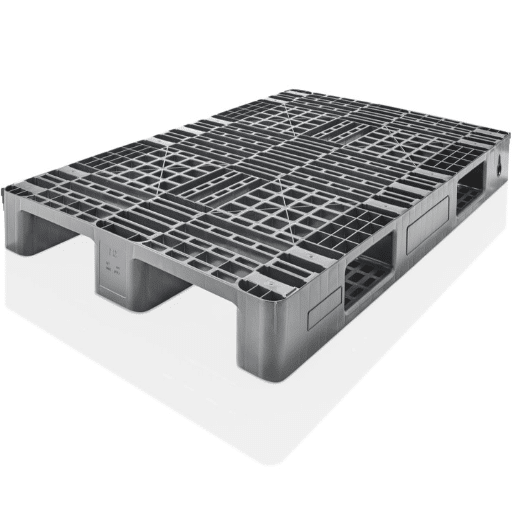
Plastic materials and packaging in particular, have their own pros and cons from a logistics perspective, the main reasons for which include things like:
- ✔
Durability and Longevity — Plastic pallets are resistant to damaging factors such as wear, moisture, and so on. Therefore, the lifetime of plastic pallets is better than that of the wooden ones.
- ✔
Hygienic Properties — If compared to the usage of plastic pallets against the use of wooden pallets, the latter absorbs moisture, bacteria, and pests, which are not wanted in food industries or pharmaceuticals.
- ✔
Lightweight and Consumption-free — In contrast to the wooden pallets, they are weightless, cutting transportation costs significantly and remaining within a weight vicinity for cargo measurements.
- ✔
Sustainability — Many of the plastic pallets are manufactured with the use of recycled raw materials. These can be easily reused at the end of their useful life, which is more economical.
- ✔
Safety and Reduced Maintenance — The advantage of the plastic pallets is that there are no splinters, nails, or even sharp angles that can hurt someone and increase the frequency of maintenance.
- ✔
Fulfillment of Regulations — It is important to mention that plastic pallets, in agreement with ISPM-15 do not need fumigation or heat treatment when it comes to foreign shipments.
Such characteristics make plastic pallets a cheap and eco-friendly solution capable of managing lots of processes within transport and distribution flows.
Plastic Pallets vs. Traditional Materials
There are notable areas where plastic pallets have a clear edge over their wooden and metallic counterparts. Starting from strength, plastic pallets are superior to wood as they do not absorb moisture or chemicals, along with pests, meaning they last longer and avoid frequently replacing cost. Unlike those made of metal, plastic pallets are lightweight, which brings with it a critical reduction in costs for transportation and also ease of movement within the warehouse.
Of wooden pallets, plastic pallets are healthier, having a chemical composition that does not soak up fluids, smells, or any contamination, making them suitable in food, pharmaceutical, and medical industries where hygiene is a great concern. In addition, plastic pallets hardly require any extra repair work as they do not shatter or rust like metal or wood.
Speaking about environmental efficiency, a lot of plastic pallets are manufactured using recycled materials and may also be recycled at the end of the product’s life cycle, with an intention to comply with one of the biggest challenges of sustainable development, unlike their colored counterparts that are wood or metal, which end up generating more waste or using more energy in the process of maintenance or manufacture. Although plastic pallets are normally more expensive than wooden pallets, this one-time expense is offset by the low maintenance cost during usage, and they meet the demands of today’s supply chain and its workings economically.
| Attribute | Plastic Pallets | Wooden Pallets | Metal Pallets |
|---|---|---|---|
| Durability | ✔ High — moisture & pest resistant | ✘ Absorbs moisture, susceptible to pests | ~ High but prone to rust |
| Weight | ✔ Lightweight — reduces transport cost | ~ Moderate weight | ✘ Heavy — increases fuel cost |
| Hygiene | ✔ Non-porous, easy to sanitize | ✘ Absorbs fluids & bacteria | ~ Cleanable but can corrode |
| Maintenance | ✔ Low — no splinters or rust | ✘ High — splinters, nails, breakage | ✘ High — rust and corrosion |
| Sustainability | ✔ Recyclable, reusable | ✘ Generates more waste | ~ Recyclable but energy-intensive |
| ISPM-15 Compliance | ✔ Compliant — no fumigation needed | ✘ Requires fumigation/heat treatment | ✔ Compliant |
Durability and Longevity
Plastic pallets are well-known for their long-lasting quality, while wood pallets last for a short while. Being constructed using rare forms of polymers, their structure endures moisture, acids, pesticides, and other harmful substances, thereby eliminating any possible contamination and weakening. Wood presents a different scenario because it tends to expand and contract with the atmospheric conditions, whereas the plastic pallets do not change their dimensions with the changes in temperature, therefore maintaining their effectiveness within any kind of cold chain logistics requiring strict temperature control. Besides, due to their rugged build, plastic pallets do not easily splinter, crack, or even break even when the load is heavy and lifted repeatedly. Customer service rating provided indicates that they are less likely to replace the whole ten in proportion to one or approximately ten wood pallets, thus serving a rational and effective purpose for sectors where attention is paid to endurance.
Hygiene Standards and Safety
The hygienic features and safety requirements of wood pallets cannot address the concerns addressed by plastic pallets. The smooth surfaces of the plastic pallets do not allow any moisture or any other liquid or chemical absorption, and hence there is no change of contamination. It is possible to sanitize them according to the requirements, by stream cleaning, pressure washing, or the use of cleaning chemicals, which makes them suitable for processes that have to be sanitary, especially the pharmaceutical, food, and beverage industries. Also, there are no sharp corners or sharp edges that can be damaging, such as nails or splinters, and all these reduce the chances of injuries during use to a greater extent, thus positively impacting work safety. These plastic pallets also help to ensure proper regulatory frameworks, such as the FDA or HACCP, are adhered to while improving productivity and enhancing hygiene in the most necessary supply chain operations.
Common Use Cases for Plastic Pallets

Pharmaceutical
Maintaining cleanliness and safe transport of medicines in controlled settings.
Food & Beverage
Safe passage of edible products with pest-free and pathogen-free operations.
Export & Shipping
ISPM-15 exempt — no bug or heat-treating required for international shipments.
Automotive
Storing and transporting heavy parts without contamination on the assembly line.
Retail & Warehousing
Uniform pallet surfaces improve storage, picking, and delivery efficiency at scale.
Food & Beverage Industry Applications
Most of the food and beverage sectors favor plastic pallets as they are hygienically and safely standard-compliant. The majority of these crates employ food-grade construction resistant to dampness, bacteria, and impact, facilitating the transport of raw materials and finished products. Uniquely, unlike wooden cargo crates, plastic pallets do not present any difficulty when oil is involved or any other liquid, for it molds them. Hence, they are cleanable and highly efficient in terms of regulation. The strength of these plastic items and the absence of breakage thus eliminates any likely items getting inorganic. Where dirty racks are accounted for, plastic palettes eliminate the problem in that these racks are of a form such as nestable and rackable; this contributes a long way in facilitating food and beverage producers vary in size, wholesale consumers.
Pharmaceutical Industry Usage
The pharmaceutical industry places a great emphasis on the use of plastic pallets due to the high standards of hygiene and safety that the industry observes. This type of pallet with non-porous surfaces provides little to no chances of water, chemicals, or any other substances being absorbed, thereby avoiding cross-contamination issues during transportation and/or storage. These characteristics make plastic pallets preferable to wooden pallets, which are cumbersome to clean and are unsuitable for use within clean rooms needed in pharmaceutical manufacturing and supply chain logistics. Their construction makes them easy to handle due to their light weight and strength, as well as allowing radio frequency identification and special tracking systems for traceability purposes in supply chains of any nature. Reusable as well as single-use plastic pallets allow for maximum operational performance without compromising quality and regulatory requirements.
Automotive Sector Requirements
Car manufacturers require solutions that deliver strong, durable, and adaptable designs to satisfy logistics and production activities specific to their sector. The use of plastic pallets helps a lot because they don’t get contaminated with any oils, grease, chemicals, or other foreign objects, and unnecessary extra cleanliness and safety are maintained during use on the automotive assembly line. They also come with a balanced weight and perfect size, which makes them easy to use or integrate with the machine-less systems, thus very important for an advanced production system since all the operations are executed precisely. Moreover, plastic pallets improve the ability to sustain heavy loads without damaging the contents so that they can transport heavy automotive components, for instance, engines, transmissions, and assembly accessories.
Additionally, anti-slip surfaces, reinforced deck features, and barriers are added in order to manage and preserve materials in transit and in the storage area, more adequately protected where necessary. Concerning most especially environmental trends in the management of operations by plastic pallets, the situation causes durable and reusable elements aligning with the objectives of cost and pollution reduction, also industrial principles of sustainability, and doesn’t exclude the changing legislation. Their ability to be customized for stackability, specific load requirements, and RFID compatibility further enhances their suitability for automotive sector logistics and production workflows.
Sustainability and Environmental Impact

Compared to wooden pallets, plastic pallets are more beneficial in terms of sustainability, as the possibility of reusing these pallets eventually saves them from excessive disposal and the creation of new pallets. Some components comprising these plastic pallets are made from waste products/leaving virgin materials. In addition, with plastic pallets, there is no pest or contamination problem, unlike wooden pallets, which leach chemicals into the environment. Less deforestation reduces the usage of virgin materials and the recycling, reusing cycle of plastic pallets in line with the global expectations, controlling the environmental negative damages, and meeting their high sustainable development demands.
Recyclability of Plastic Pallets
Plastic pallets are very environmentally friendly, allowing indefinite recycling practices within the supply chain. They are typically produced from such plastics as HDPE and PP, allowing for recycling over and over again without any considerable degradation in the quality of the raw material. In most cases, when plastic pallets reach the end of their use, they are gathered and recycled in the manufacture of new pallets or other products aimed at industry’s consumption, resulting in less waste generation. Progressive recycling methods such as grinding and re-molding enhance the recovery of resources, enabling used pallets to be re-worked into the supply chain smoothly. Moreover, most manufacturers have pallet take-back and recycling services, simplifying the business need for palletizing their unneeded pallets. Adhering to circular principles, plastic pallets markedly lessen the tons of wood disposed of locally and abroad inherent in their wooden counterparts.
🌱 Impact on Supply Chain Efficiency
Plastic pallets offer substantial benefits to the supply chain industry in terms of efficiency because of their strength, consistency, and workability. In contrast to pallets made of wood, their dimensional accuracy eliminates automated line technologies like conveyors and pallet trucks from causing breakdowns or producing defective products. Due to their low weight and consequently lower total transport cost as they do not absorb much weight from the freight, the cost of transportation becomes cheaper, and saves fuel costs. Also, they do not rust, do not leach, and do not allow abuse or misuse, even where intense hygiene is a necessity for industries, for instance, pharmaceutical or food industries. Besides this, they incur lower lifecycle costs as they last longer and are less destructible, ensuring that there are fewer interruptions due to pallet breakages. All of these benefits contribute to improving supply chains and reducing costs while enhancing environmental preservation efforts.
Choosing the Right Plastic Pallet for Your Needs

Choosing plastic pallets appropriately requires a keen assessment of the business operation in question. First, it is helpful to establish whether there are load limitations, moving or stationary, within the expected levels to ensure that the weight of stored or handled items does not damage the pallet. Evaluate if forklifts, conveyor belts, and automatic storage and retrieval systems may work well with the pallets that you’re thinking of acquiring to allow for easy integration of the different material handling systems. Also, remember that the environment in which the pallet will be used, i.e., high or low temperatures, dampness, chemical exposure, etc., should also be considered in choosing to avoid a short lifespan or compromise of resultant safety. For exports, especially when it comes to international shipments, make sure that the pallet is appropriately certified for transport, i.e., without the ISPM-15 stamping. Lastly, look at the cost of the various pallets, taking into consideration the purchase cost, how long it will last, and maintenance before making any decision, to improve the effectiveness of the operation.
- 1
Establish Load Limitations: Determine whether there are load limitations, moving or stationary, within the expected levels to ensure that the weight of stored or handled items does not damage the pallet.
- 2
Evaluate Material Handling Integration: Evaluate if forklifts, conveyor belts, and automatic storage and retrieval systems may work well with the pallets that you’re thinking of acquiring to allow for easy integration of the different material handling systems.
- 3
Consider Environmental Conditions: The environment in which the pallet will be used, i.e., high or low temperatures, dampness, chemical exposure, etc., should also be considered in choosing to avoid a short lifespan or compromise of resultant safety.
- 4
Verify Export Certification: For exports, especially when it comes to international shipments, make sure that the pallet is appropriately certified for transport, i.e., without the ISPM-15 stamping.
- 5
Analyse Total Cost: Look at the cost of the various pallets, taking into consideration the purchase cost, how long it will last, and maintenance before making any decision, to improve the effectiveness of the operation.
Comparing Stackable vs. Nestable Plastic Pallets
The intended use of any particular plastic pallets and the need for their storage are two primary considerations that I aim to address when I am comparing stackable to nestable plastic pallets. Stackable pallets for the most part have been built with high capacity loads in mind, for instance with the aim of ensuring secured any heavy goods in storage or on a shelf. This type of pallet would be used in a warehouse with large amounts of palletized products. With regards to the second group, however, it is much easier to save on space as the nestable ones can be stacked one on top of another for the most efficient use of available facilities. I take into consideration things such as strength, capacity, and also whether space will be an issue prior to choosing an option that is most appropriate to my operating needs.
| Feature | Stackable Pallets | Nestable Pallets |
|---|---|---|
| Primary Use | High-capacity load storage and racking | Space-saving storage and return logistics |
| Load Capacity | ✔ High — designed for heavy goods | ~ Moderate — lighter duty operations |
| Space Efficiency | ~ Moderate — stacks vertically | ✔ Excellent — nests inside each other |
| Best For | High-volume warehouses, racking systems | Space-constrained facilities, return trips |
| Return Cost | Higher — more space per unit when empty | ✔ Lower — compact nesting reduces freight |
Heavy Duty vs. Lightweight Plastic Pallets
The choice between heavy-duty and lightweight plastic pallets is basically equivalent to requesting a preference for a fixed set of operational conditions and use situations. Heavy-duty plastic pallets are made with enhanced strength and wear resistance. Such pallets normally take higher loads, operate in harsh environments, for example, constant racking or transporting of goods. High wrists on their part usually feature designs that are strengthened in areas that are most prone to shocks, and bearing static as well as moving weights. Lighter structured plastic pallets, on the other hand, are designed specifically for simpler operation, reduced rates of transportation, and single packaging, whereby the toughness doesn’t matter much, but the purpose and weight do. While strong pallets suit environments such as manufacturing or retail, where enhanced usage is expected, one-way pallets are best constructed for container consignments to any place or for discard after one use. Other points to be considered include the load capacities, the expected field of application, the environmental conditions, and the available storage space to enable the best pallet choice possible and the optimum productivity.
| Feature | Heavy-Duty Pallets | Lightweight Pallets |
|---|---|---|
| Load Capacity | ✔ Very high — for maximum loads | ~ Moderate — lighter applications |
| Environment | Harsh — constant racking, heavy transport | Simpler — single-use or low-demand |
| Ideal Usage | Manufacturing, retail — high-repeated use | Container consignments, one-way trips |
| Cost Profile | Higher upfront, lower lifecycle cost | ✔ Lower upfront, suitable for single use |
Reference Sources
“Wooden and Plastic Pallets: A Review of Life Cycle Assessment (LCA) Studies”
Key Insights: This review highlights the environmental benefits of plastic pallets, such as no need for phytosanitary treatment and reduced waste generation. However, it also notes the energy-intensive production process.
“A Perspective on the Reverse Logistics of Plastic Pallets in Canada”
Key Insights: This paper explores the growing adoption of plastic pallets in the pallet industry and their role in reverse logistics. It highlights the challenges and opportunities in recycling and reusing plastic pallets.
Frequently Asked Questions (FAQs)
What are plastic pallets of high-density polyethylene, also known as HDPE, and what makes them common in many industries?
The strength of HDPE plastic pallets rises from the high-density polyethylene components that are compatible with moisture, chemicals, and other damage-prone environments. Hygienic, reusable, and recyclable properties of plastic pallets make them preferable over traditional wooden pallets in a variety of industries, such as production, processing, as well as pharmaceuticals, food, and beverages. A lot of the companies also offer HDPE-based pallets that can be delivered almost instantly or, in cases where pallets are manufactured on order.
How do stackable plastic pallets aid in maximizing space on the warehouse floor and the storage of basement items, respectively?
Plastic pallets, which are stackable, for their benefit of nesting or stacking, save space when not in use, making them ideal for applications that require their storage on the floor of the warehouse or in a basement. Material handling becomes more efficient and effective as these are strong but lightweight, thus cutting on expenses associated with this. The stackable type of pallet also provides cushioning for components transported inside, and in addition, the cleanliness of the interior is greatly improved because there are alternative ventilations, such as the grid.
Would wooden pallets be economically replaced with reusable plastic pallets?
On the whole, considering their lifespan, plastic pallets are viable replacements for wooden pallets in reducing the total cost of ownership. The fact that they can be recycled adds to their durability as the use of plastic enhances their durability as they can be used several times, are easy to clean, and also prevents cross-contamination in case of hygienic processes such as food and beverage. While sometimes such pallets are more expensive than wooden pallets, longer periods of time of the service and decreased amount of replacements as well as downtimes generate savings after some time.
Can I purchase a pallet anywhere, and what are the crucial characteristics a good pallet manufacturer should possess?
If you are on a mission of finding a pallet for sale, then look for pallet manufacturers who offer a solution for different industries, have available stock and ready to ship inventory, offer custom pallet design services, and precise material (HDPE, recycled plastic), load ratings, or hygiene features. Certificate total cost of ownership can also incorporate re-use plastics along with other obvious pallets or levels of pallets gear overcomes all the loopholes within which they can be designed for racks, floors, or even international shipments.
Do plastic pallets have a recycling characteristic, and what is the effect of recycled plastic on performance?
The answer is yes, several plastic pallets are in fact recyclable with no inhibitions, as there is already the use of recycled plastic on pallet solutions. It is possible to make good-quality plastic pallets of recycled plastic if the material has been correctly processed. Recycled content helps in reducing raw material cost and encouraging preventive production, as the obtained pallets are more resistant to water and avoid contamination, unlike the wooden ones.