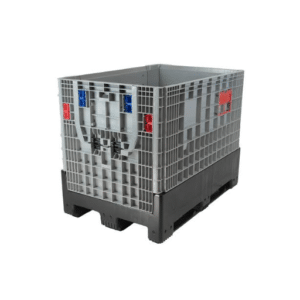
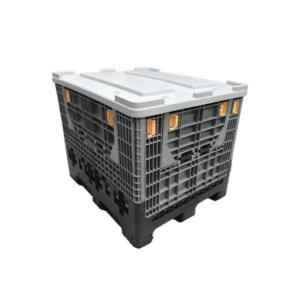
In sectors such as food and beverage, pharmaceuticals, and agriculture, hygiene standards are not only a matter of preference but a must. In fact, one of the main factors that contribute to the prevention of contamination is the use of food-grade plastic pallets which are essential in the safe handling, storage, and transportation of goods. But then again, what exactly does it mean when a plastic pallet is called “food grade”, and how can the businesses be sure that they are meeting FDA compliance requirements? This blog will take you through the vital requirements, advantages, and factors to consider when it comes to food-grade plastic pallets, thus providing you with the necessary insights to protect your supply chain while being compliant with the very strict hygiene regulations.
Understanding Food Grade Pallets
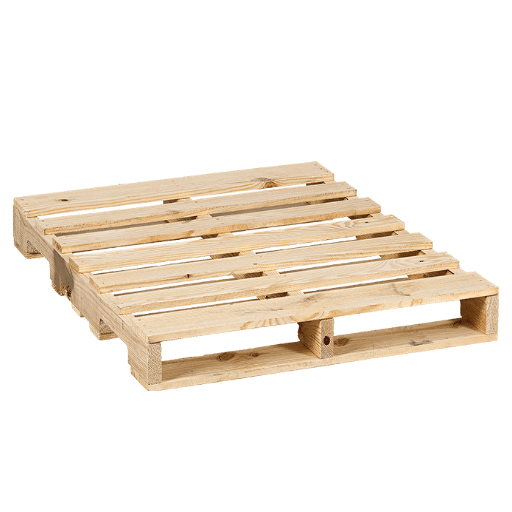
Definition of Food Grade Pallets
Food-grade pallets are known as plastic pallets that are specifically produced and designed in such a way that they meet the hygiene and safety requirements for food handling. The materials used in making these pallets are either virgin or FDA-approved resins, which are of such high quality that they can be safely used with food or in areas where contamination is to be avoided. The pallets possess certain characteristics like non-porous nature, easy to clean, and moisture, bacteria and chemical absorption resistance, hence giving them the ability to create a clean and controlled environment for food storage and transport. The use of food grade pallets can become one of the factors that will assure your compliance with the industry standards and the integrity of your supply chains.
The Impact of Hygiene in Pallet Usage
Hygiene is a very important aspect in the use of pallets and this is particularly true for sectors that deal with food, pharmaceuticals, and other sensitive items. In accordance with the latest statistics, the search term “hygienic pallets” has experienced a rise of more than 30% over the past year, which is a clear indicator of the increasing awareness among companies about the necessity of keeping cleanliness in their processes. The use of contaminated pallets could be a source of major problems, like bacteria, mold, or cross-contamination spreading, which might compromise the product’s quality, and even lead to recalls. The use of materials that are non-porous and easy-to-clean like plastic in making pallets decreases the risk of moisture being absorbed and microbial growth being developed. Regular sanitation protocols and proper pallet usage further enable and elevate hygiene measures to the extent that the safety standards are fully complied with and the trust of the customer is maintained.
Food Grade Pallets of Different Categories
First-class pallets for food use differ from one another and come in various forms, each one specially equipped to bear some hygiene and safety regulations. The most popular option are plastic pallets, which are very strong, do not rot from the moisture, and are easy to clean. Another choice is the stainless steel pallets, which are fit for extremely sanitary conditions, such as meat or milk processing. They are highly durable and the highest hygiene standards can be maintained with them. Also, there are aluminum pallets that serve as a lightweight and rust-resistant option and are suitable for places where cleanliness is very important. Every kind of pallet gives the same assurances regarding compliance with food safety regulations and at the same time, they are catering the requirements of different sectors.
FDA Compliance for Pallets in the Food Industry

Regulations Governing Food Grade Pallets
Food grade pallets, which are utilized in the industry, must adhere strictly to the FDA regulations in order to guarantee safety and hygienic conditions. The regulations prescribe that the surfaces of pallets for food handling and storage must be constructed from materials that do not cause any harm to humans and animals and would not be able to leach into the food or the environment. Additionally, they should be chemically resistant, moisture proof, and should not have any points that can easily get bacteria because of having pores. For this reason, materials like plastic, steel, and aluminum are quite popular in the industry because they are good at meeting the regulations. Supervision and maintenance of the pallets are done regularly in order to make sure that compliance and the supply chain with food safety are not disrupted.
Significance of FDA-Approved Pallets
The use of FDA-approved pallets is a vital factor in keeping food safe and in ensuring that other health regulations are not infringed on. The construction of these pallets is done using only the very best materials that are safe, durable, and non-toxic. Their construction ensures that the pallet quality does not compromise the safety of the products and vice versa. Pallets engineered to resist water, corrosive substances, and microorganism infiltration will, rightly so, be part of the company’s strategy to prevent cross-contamination during moving and storage. Their easily cleanable surfaces and strong construction contribute to the lowering of risks in the food supply chain, thus making them a necessary part of the industries that place hygiene and safety as their main priorities.
Documentation and Certification Requirements
Necessary documentation and certification can only be obtained by proving that the industry standards and regulations related to hygiene and safety have been followed at best. Certificates like ISO 22000 for food safety management or FDA compliance can give the assurance that the pallets are indeed meeting the highest quality and safety standards. Complete documentation should include the description of materials, manufacturing processes, and cleaning protocols employed, together with the proof of resistance to the contaminants and chemicals. Furthermore, proper labeling and traceability systems need to be established for the purpose of confirming compliance and guaranteeing accountability throughout the supply chain.
Hygienic Standards for Plastic Pallets

Benefits of Hygienic Pallets in Food Supply Chain
Hygienic plastic pallets are able to deliver plenty of benefits for the food supply chain as they make the whole process safer and more effective. Their surfaces are not porous, hence they do not allow moisture, bacteria, or other harmful substances to get in and at the same time there is a reduction in the risk of foodborne illnesses and cross-contamination. Moreover, these pallets are quite easy to clean and maintain being able to meet the stringent FDA and industry hygiene standards. The fact that pallets are quite durable and very resistant to chemicals makes them ideal for harsh cleaning processes, thus food applications are further enhanced. In addition to this, proper labeling and traceability features support accountability that helps businesses comply with regulatory requirements while at the same time maintaining quality and safety throughout the supply chain.
Comparing Plastic and Wooden Pallets
A very critical role is played by both plastic and wooden pallets in different industries but pointing out the differences their suitability for certain applications is one of the first things that should be done. The first thing that comes to mind when talking about plastic pallets is their durability, longer lifespan, and resistance to water, making them the best choice for any industry such as food and pharmaceuticals, where hygiene is the main concern. A very important characteristic of this material is that it does not allow for the penetration of any liquids; therefore, not only is the contamination risk reduced but also the weightless design of most of them often results in lower transportation costs.
The good side of it is that on the other hand, wooden pallets are mostly more cost-effective at the beginning and they are well utilized because of their availability and easy customization to just about any weight capacity. Also, they can be recycled and biodegradable thus making them a part of sustainability initiatives. However, wooden pallets do have disadvantages as they are more likely to get damaged, contaminated, and splinter, plus they may have to be fumigated before being allowed for international shipping in compliance with the regulations.
Ultimately it all comes down to the specific industry requirements, budget, and compliance with safety and hygiene criteria to decide between plastic and wooden pallets. Even though wooden pallets can be applied for short-term or less sensitive uses, plastic pallets could be considered a worthy investment for the whole supply chain that is kept to the highest standard long-term operation.
Best Practices for Maintaining Hygiene
It is necessary to establish a set of best practices for carrying out pallet operations, which will help maintain hygiene. Always ensure that periodic cleaning of pallets using effective methods like pressure washing or chemical sanitization is done especially when the products handled are food, pharmaceuticals, or any other sensitive ones. Inspecting the pallets at all times is part of the hygiene measures that ensure identifying and pulling out of circulation the damaged or contaminated units. Pallets must be kept in clean and dry places to avoid the growth of mold and lessen the risk of contamination. For those industries that have enforced very strict hygiene rules, the use of plastic pallets is recommended as they are more resistant to moisture, pests, and microbial growth than wooden ones. By following these practices, your company will be able to ensure safety, compliance, and quality throughout its supply chain operations.
Cost-Effective Solutions in Pallet Supply
Choosing the Right Pallet Supplier
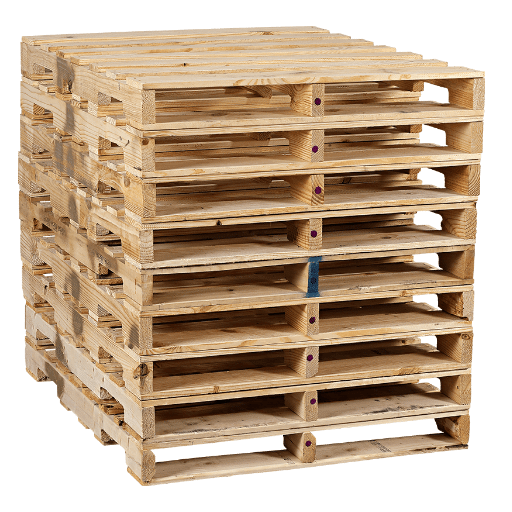
While choosing a pallet vendor, the dependability, quality of the products, and cost-effectiveness should be taken into account. Suppliers who are dependable make certain that the goods are delivered on time and that there is always a consistent quantity which saves you from disruptions in your operations. The quality of the products is a very important factor in determining the lifespan of the product and its compliance with the industry standards especially in the case of very strict biosafety requirement areas. Also, take a look at the supplier’s pricing policy, which should not only be in line with your budget but also provide you with the most cost-effective solution. Always trust those suppliers who practice openly and have good customer relations and a history of fulfilling clients’ needs.
Costs and compliance compared
If you compare cost against compliance, this has become more obvious in such sectors as health care, food production, and technology, where safety and quality are being strictly monitored through regulations. Besides, the popularity of queries on certification for compliance, audit preparation, and supplier transparency has been receiving a considerably increase. These are clear signals that firms see the long-term benefits of compliance in terms of reducing risks, avoiding fines, and winning the trust of customers. Hence, the weighing of costs without sacrificing compliance needs tactics in the decision, that is, a shift to the long-term profitability instead of short-term cost-cutting.
Grocery Manufacturers Association Standards Influence
A progressive trend towards sustainability and traceability within the food industry is closely associated with the passed regulations of GMA, The upsurge in queries regarding sustainable sourcing, transparency in the supply chain, and compliance with ever-changing regulations reflects the increasing awareness of both consumers and producers. By this, the GMA pushes itself to present stronger guidelines that incorporate not only the environmental and ethical factors but also the necessity for the member companies to be in sync with the consumers’ and the global regulators’ expectations. The more the GMA standards accommodate these changing needs, the more they can become a modern-day industry’s trust and accountability measurement.
Conclusion

Summary of Key Points
Evolving Consumer Expectations:
The document talks about consumers becoming more and more cognizant of the things that are environmentally friendly, ethical, and transparent. The trends, in turn, directly influence the companies’ behaviors and their alignment to the regulations.
GMA’s Role and Adaptation:
The Goods Manufacturing Association (GMA) has pointed out the need for establishing more powerful guidelines that will encompass environmental and ethical factors. The changing of the guidelines is, in fact, a very effective means of building trust, keeping up to the standards of the consumers, and being in line with the globally established laws.
Benchmark for Accountability:
The changes made to the GMA regulations are aimed at bringing up the standard of practices in different fields of business, thereby making the standard that they set for themselves one of the integrity and accountability. This endeavor guarantees that the member companies not only satisfy but also go beyond the levels of the Industry standards in terms of ethics and operations.
If necessary, this framework can be elaborated with specific data and case studies for more thoroughness.
The Future of Food Grade Pallets
I think that the future of food-grade pallets is in the constant adoption of advanced materials and smart technology. The industry is moving towards pallets that are made from strong, recyclable materials that meet strict hygiene requirements, as safety and sustainability are now taking precedence. Moreover, technologies like RFID tracking and IoT-enabled solutions will facilitate the flow and transparency of goods throughout the supply chain and minimize delays and losses. The next generation of food-grade pallets, by focusing on innovation and adherence to regulations, will not only ensure safety but also contribute to the world being a greener place and the operations being considerably more efficient everywhere.
References
-
A market-driven investigation of pallet trends in grocery chains
This study explores the cost dynamics and trends in pallet usage, including food-grade pallets, within grocery chains.
Read more here -
Food Processing and Campus Market (Building 24)
This report discusses the impact of replacing wood pallets with plastic pallets in food processing environments, focusing on fire safety and storage considerations.
Read more here -
Investigation into pallet durability throughout the hazards that pallets experience during regular use and handling
This research examines the durability and design of pallets, including those used in food-grade applications, under various stress conditions.
Read more here
Frequently Asked Questions (FAQ)
Are GMA pallet specifications significant when it comes to food handling?
Pallets made from GMA adhere to commonly accepted gma standards that not only make it easier but also more economical to produce the same-sized and functioning pallets for various distribution centers and transportation devices. The specifications for the food-grade pallet can thereby help in stacking, skidding, and in the case of automation, diminish the risk of contamination throughout the product’s transport and storage. Nevertheless, manufacturers and users are still obliged to verify the compliance with the FDA as well as with the FSMA directives in case of pallets that will be in contact with food. Here, the preferred choice of the food industry is the gma pallet due to its capability to be stacked and already being suitable for the existing material handling systems; however, the hygienic aspect of the pallet comes from the materials and treatments used. Suggested unused terms: polyethylene, international shipping, cba.
What are the characteristics of food-grade pallets that make them safe and compliant?
Food-grade pallets are made to be such that they do not allow contamination and also do not use any harmful materials that might affect the quality of the food products during storage of food, or during transport and storage of food. Compliance is often represented by the use of sanitary materials, non-toxic treatments, and meeting phytosanitary standards like ISPM 15 when shipping internationally, as well as documenting the traceability for the food contact surfaces. The pallets have to be heat-treated or made from new food-grade plastic that is inedible in order to eliminate the chances of pests and microbial contamination. A company should consider if wood pallet provides the highest standard of cleanliness or if food-grade plastic pallets or other sanitary options are better suited to the specific needs of the food or pharma industries. Suggested unused terms: industry standard, heat-treat, gma pallet.
How does wood compare to food-grade plastic in pallet use for food?
Wooden pallets are strong and that is why they are used in a wide range of industries, but they can absorb moisture and harbor contaminants unless properly treated and maintained, which may increase the risk of food contamination during contact with the pallets. Food-grade plastic pallets, including polyethylene models, are often easier to clean, do not splinter, and avoid contaminating substances associated with some wood treatments, which makes them suitable for environments with strict sanitation. Whether to use wood pallets or plastic depends on the specific needs of the food, storage conditions, and whether pallets must be heat-treated or comply with ISPM15 for international shipments. Many consumer brand associations set requirements for pallets that meet their quality standards and avoid consumer complaints linked to damaged packaging. Suggested unused terms: cba, pallet are essential, international shipping.
Are food pallets required to be heat-treated or use ISPM 15?
Pallets that are used in the food industry and are going to be shipped overseas usually have to be ISPM 15 compliant or treated in some other way to eliminate phytosanitary issues; Moreover, many countries that import goods specify heat treatment or fumigation as a means of pest control. For internal distribution within a single marketing area, heat treatment may still be a prerequisite for some retailers or the consumer brand in order to lower the risk of contamination and to meet FSMA expectations. Wood pallets that have been heat-treated reduce biological hazards, however, they must be documented and labeled, so the receivers can verify compliance; new pallets should carry the right markings when heat-treated. Plastic or composite pallets do away with the necessity for ISPM15 treatment and can be advantageous where sanitation and repeated cleaning are required. Suggested unused terms: polyethylene, industry standard, gma pallet.
How can I avoid contamination when using pallets for food storage?
In order to prevent contamination, implement sanitary handling procedures, use pallets designed for food contact, and establish cleaning schedules and perform inspections to remove debris, pests, or residues that might be transferred to the products. Select pallets that comply with the relevant regulations, reject the use of harmful substances in the treatments, and opt for food-grade plastic pallets or properly heat-treated wood where moisture and microbial growth concerns exist. Proper storage of food products should ensure that pallets do not come in direct contact with wet floors or chemicals, and staff should be trained on proper stacking and skid procedures to maintain hygiene in pallet practices. Regular audits and supplier certifications, such as proof that pallets meet consumer brand or national wooden pallet program requirements, help maintain safety. Suggested unused terms: cba, lead boards, transportation equipment.
Do food-grade pallets influence the transportation and quality of food products?
Pallets are vital for efficiently transporting and storing food products, and choosing the right pallet is a significant factor in maintaining the integrity of products during long shipments and distribution to retail. Pallets that are meant for food use—be it wood pallets that are heat-treated or food-grade plastic pallets—can help to avoid contamination risks and prevent packaging damage, thus, ensuring the quality of food products and the consumer brand association.