Introduction to Pallet Weight
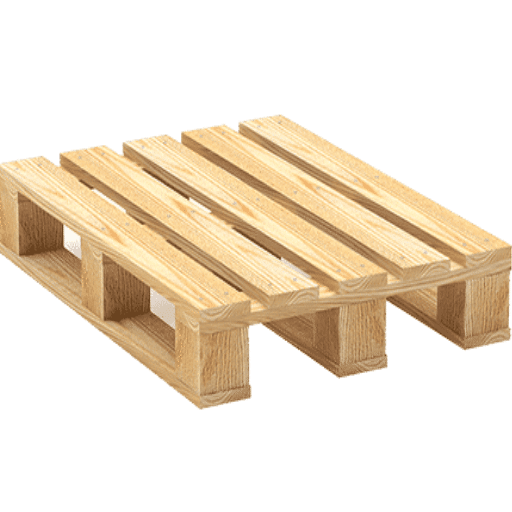
Pallet weight depends on the material, size, or design specifications of the construction; it is given as wood, plastic, or metal. An average wooden pallet weighs from 30 to 50 pounds, and if it is a plastic pallet of a lightweight type, it can weigh 10 pounds. Heavier-duty pallets, such as steel or reinforced wood, can go much heavier than 70 pounds in consideration of their load capacity. If one understands this variation, they can optimize shipping efficiency and select the suitable pallet for their specific requirements.
Average Weight Range for Standard Pallets
What is a Pallet?
In layman’s terms, a pallet is an essentially flat transport structure that stably supports goods while being lifted by a forklift, pallet jack, or some other form of handling equipment. Most often made of wood, plastic, or metal, shelves form part of material handling and logistics operations, wherein they are used to store goods while stacking and transporting them efficiently. Pallets in the United States measure 48 x 40 in., following Grocery Manufacturers Association specifications, but may be different sizes in other regions. Such pallets basically provide a mechanism to minimize manual handling and damage during shipping operations throughout warehouses, factories, and distribution centers. Pallets come in several varieties–reusable and single-use, metallic and wooden–with varying durability levels depending on the application.
Importance of Understanding Pallet Weight
A good grip of the pallet weight is essential for supply chain logistics, safety, and compliance. For transportation, the weight of a pallet matters in scoring the full load and, hence, fuel consumption. Standard wooden pallets weigh anywhere from 30 to 70 pounds. Overweight pallets tend to overstrain their structural integrity, leading to damage to the products and incidents in the workplace. OSHA and DOT standards recommend adhering to pallet weight regulations relative to load limits and safety standards during transport. Pallet weight management creates efficiency in every warehouse and shipping business setup and minimizes the risks.
Overview of Standard Pallet Sizes
Standard pallet sizes differ across regions and industries, but are popularly sized to maximize storage, transport, and material handling efficiencies. Measuring 48″ x 40″, the GMA (Grocery Manufacturers Association) pallet is the most widely used pallet size in the United States, accounting for more pallets in circulation than all other size combinations. The pallet is mostly used in retail, consumer goods, and food distribution, mainly because it fits into standard racking systems and transport vehicles.
Internationally, pallet sizes may differ to accommodate regional requirements and corresponding logistics systems. For example, in Europe, the ISO-standardized EUR pallet, also called a Euro pallet, measures 1200mm by 800mm (or approximately 47.2″ by 31.5″) and is constructed in the fashion of warehouse storage and European transport dimensions. Likewise, the commonly found size in the Asia-Pacific is the 1100mm by 1100mm (43.3″ by 43.3″) pallet, which finds containerized shipping applications, especially in markets such as Japan and South Korea.
Such standardization would allow supply-chain interoperability, lessening existing inefficiencies and ensuring the pallets can move relatively seamlessly between various facilities, countries, and industries. It is for the business to decide on the pallet size by logistics considerations, product dimensions, and compliance with local or international standards.
| Pallet Type | Dimensions | Region | Common Applications |
|---|---|---|---|
| GMA Pallet | 48″ x 40″ | United States | Retail, consumer goods, food distribution |
| EUR/Euro Pallet | 1200mm x 800mm (47.2″ x 31.5″) | Europe | Warehouse storage, European transport |
| Asia-Pacific Standard | 1100mm x 1100mm (43.3″ x 43.3″) | Asia-Pacific | Containerized shipping, Japan, South Korea |
Types of Pallets and Their Weights

This is the breakdown for a firm to make suitable choices for the type of pallet, according to their mode of operation, the weight factor, and some peculiarities of the industry.
Wooden Pallets
30-70 lbs
Being common and versatile, wooden pallets weigh anywhere from 30 to 70 pounds, depending on their size and construction. There is a very strong support base with which they can still carry big-heavy loads. But such things begin to break after some time.
Plastic Pallets
15-50 lbs
Plastic pallets are considered lighter, with an average weight of anywhere from 15 to 50 pounds. They are preferred for resisting moisture and chemicals, thus fitting areas that require hygiene.
Metal Pallets
40-80 lbs
Metal pallets weigh anywhere from 40 to 80 pounds, making them the heaviest, commonly steel or aluminum. They are strong and durable pallets meant for heavy-duty applications and specialized industries.
Presswood Pallets
20-30 lbs
Presswood pallets weigh anything from 20 to 30 lbs, giving them the classification of lightweight in opposition to traditional wooden pallets. Such pallets are ideal for one-way shipments because they are reasonably priced and meet international shipping standards.
Wooden Pallets: Weight and Characteristics
Due to their durability and versatility, wooden pallets are the most commonly used. Usually, a standard wooden pallet weighs somewhere between 30 and 70 depending on the wood used for making it (softwood pallets are lighter while hardwood pallets are heavier). The standard dimensions are 48 x 40 inches with a loading capacity ranging from 2,500 to 3,000 pounds, making them suitable for almost all industrial applications.
Wooden pallets are characterized by features such as high strength and ease of repair. Being available in vast quantities, wooden pallets can be made either as stringer or block pallets, thus providing versatility in handling and forklift operation. Other advantages include reusability and recyclability, thus contributing to their environmental benevolence. Wooden pallets are susceptible to moisture and would sometimes have to be heat-treated or fumigated chemically to comply with international phytosanitary regulations that govern their export. Businesses should weigh parameters such as weight, structural design needs, and other considerations in choosing wooden pallets suitable for their various operations.
Plastic Pallets: Weight Comparison
Plastic pallets are lighter than wooden ones and offer a series of advantages, especially in domains where weight reduction is paramount, namely, air freight and logistics. Plastic pallets weigh from 10 to 25 pounds, depending on the type and design, while wooden pallets can weigh anywhere from 30 to 70 pounds. This lightweight nature results in lower shipping expenses and easier manual loading and unloading operations. Plastic pallets maintain their weight in spite of atmospheric moisture in most cases, unlike wooden pallets that absorb moisture and increase their mass. Thus, plastic pallets are the best solution acceptable by manufacturers who can provide a light yet sturdy alternative.
Different Types of Pallets and Their Weight Capacities
Pallets, going by standards of materials, design, or intended use, have different weight capacities under their considerations for the specific needs of an operation.
| Pallet Type | Weight Range | Static Load Capacity | Dynamic Load Capacity |
|---|---|---|---|
| Wooden Pallets | 30-70 lbs | ~3,000 lbs | 1,500-2,500 lbs |
| Plastic Pallets | 15-50 lbs | 3,500-5,000 lbs | 1,500-2,000 lbs |
| Metal Pallets | 40-80 lbs | 10,000-12,000 lbs | Up to 4,500 lbs |
| Paper/Pressed Wood | 20-30 lbs | 1,000-1,500 lbs | Lower capacity |
Wooden Pallets
Wooden pallets are the common ones as they are cheaper and stronger. Generally, they have a static load capacity of about 3,000 pounds and support a dynamic load capacity of 1,500-2,500 lbs. Hardwood ones can support higher load weights than softwoods, but are heavy and less resistant to moisture.
Plastic Pallets
These pallets are used where health standards, durability, and constant weight parameters are important: static weight can be supported up to 3,500 to 5,000 lbs, and dynamic weight up to 1,500 to 2,000 lbs. HDPE and polypropylene pallets offer chemical and impact resistance of the highest value in this category.
Metal Pallets
Being developed and strong enough for heavy-handling purposes, aluminum or steel pallets would be suited for manufacturing or large storage systems. These plant-based wood pallets are perfect for heavy load-bearing requirements, considering that static loads ranging from 10,000 lbs to 12,000 lbs and dynamic loads of up to 4,500 lbs on the pallets can be imposed. Such heavy-duty pallets are extremely durable and resistant to very adverse load conditions; thus, they may be considered for use in situations that require long-term endurance, but they are rarely used due to their weight and cost.
Paper and Pressed Wood Pallets
Light and designed for one-time or export use, these pallets have lower weight capacities, typically satisfying static loads around 1,000 to 1,500 lbs. These pallets are considered eco-friendly and meet international shipping standards, yet do not boast the durability of others.
The kind of pallets procured generally relies on weight and load considerations, environmental conditions, cost parameters, potential use, and the pallet framework itself. A thorough study in terms of these distinctions actually leads to better operational efficiency and cost-effectiveness.
Factors Influencing Pallet Weight

Material Composition
For the most part, the pallet’s weight is greatly influenced by the density or structural parameters of each material used in the construction of the respective pallet: be it wood, plastic, or metal.
Design and Construction
The design of a pallet—including the dimensions, thickness, or whether it is a single deck or double deck design—greatly affects the overall weight.
Moisture Content (wooden pallets only)
As the moisture content increases, so does the weight of wooden pallets.
Reinforcements/Add-ons
Reinforcements like metal fasteners and skid plates add to the weight of a pallet to increase strength.
Intended Load
Heavier pallets are usually meant to take higher loads and may involve heavier material or structural reinforcements to support the loads applied.
Materials Used in Pallet Construction
Many materials may be employed to manufacture pallet construction, all chosen for their specific properties regarding durability, weight, or cost-efficiency. A few of the most common include:
Wood
Having always been one of the most widely used materials for pallets because of its economic value, free availability, and good strength-to-weight ratio, hardwoods like oak or maple tend to be more durable and carry more load, whereas softwoods such as pine are lighter and more economical.
Plastic
Plastic pallets are particularly favored for their uniformity, moisture resistance, and hygienic characteristics, making them ideal in industries like pharmaceuticals and food. The most common plastic types are high-density polyethylene (HDPE) and polypropylene (PP).
Metal
Metal pallets, generally steel or aluminum, bear the greatest strength, highest loading capacity, and resistance to use in extremes of environments. They are heavy and costly, and so are usually kept in heavy industries or long-term storage warehouses.
Composite Materials
Engineered composites like wood-plastic composites or resin-bonded materials combine the advantages of multiple materials to provide enhanced durability and resistance to environmental factors.
Corrugated Paper
Lightweight and green, corrugated paper pallets are suitable for single-use or for light shipments. In recent times, these are becoming more common in industries prioritizing sustainability and recyclability.
Each material is chosen based on load requirements, environmental conditions, and regulatory factors, essentially weighing industry-specific needs.
Standard Wooden Pallet Weight Variations
The weight of a standard wooden pallet can greatly vary depending on the pallet design, dimensions, and type of wood used. The average weight for a standard wood pallet would fall in the range of 33-48 pounds (15-22 kg), with the most commonly used one being the widely accepted 48×40 inches GMA (Grocery Manufacturers Association) pallet. Hardwood pallets, like oak pallets, tend to weigh more and go beyond 50 pounds (23 kilograms), whereas softwood pallets are lighter most of the time. Extra blocks for support or reinforcements can thus add to the weight. With this weight variation in pallets, it becomes a very unsettling issue in shipping logistics, in that it determines payload capacities as well as transportation costs.
Impact of Pallet Size on Weight
Pallets originally were sized for the weighing of cargo. The dimension of pallets is an influencing factor on weight, given that larger pallets require more material for their construction. Standard pallets like the very common 48×40 inch (1,219×1,016 mm) measure somewhere between 33 to 48 pounds (15 to 22 kilograms), depending on the wood used or other materials considered. Larger dimensions of pallets, for example, 48×48 inches or custom pallets, are heavier in nature because of the additional space or augmentations for strength. On the contrary, smaller pallets like 32×32 inches or 36×36 inches weigh less, but their load capacity is diminished.
Weight is also further determined by the interaction of pallet material and size. While hardwood pallets will increase strength and durability, they will greatly add weight as compared with softwood or composite materials. In order to provide a balanced size-weight-functionality package for international shipping, standard sizing such as the ISO pallet standard (1,200×1,000 mm) has been set. In the end, one should understand the interaction between pallet size and weight in order to maximize the efficiency of shipping and minimize the cost.
How Much Does a Pallet Weigh?

The weight of a pallet is subject to the material of construction and its size. The most common variety, wood pallets used for shipping, ordinarily weigh about 30 to 70 pounds. Plastic pallets are far lighter; they weigh from 15 to 30 pounds, while metal pallets have an entirely different weight range-which may exceed 50 pounds and are used for heavy-duty applications. For instance, a wooden pallet made according to the ISO standard, which is 1,200×1,000 mm, weighs about 50 pounds. These average measurements help nail down an appropriate pallet for your shipping and storage purposes.
Average Weight of a Wooden Pallet
The weight of wooden pallets depends on many factors, such as the length and width, the type of wood used, and the design. Standard wooden pallets, such as the common GMA (Grocery Manufacturers Association) pallet of 48×40 inches, weigh nearly 40-48 pounds when manufactured from hardwood. Softwood pallets would weigh relatively lighter, around 30-35 pounds. Custom pallet designs may see weights varying hugely depending on the specific loads or shipping requirements.
In addition, a pallet’s weight may change with the moisture content of the wood. Untreated pallets that have been freshly constructed may weigh more with moisture in them; kiln-dried or heat-treated pallets weigh comparatively less. Variations such as these should be considered when making cost or load capacity determinations.
Standard Pallet Weight Range
Typical weight ranges from 30 to 70 pounds in conformity with the materials used for its fabrication, as well as its design. Wooden pallets composed of the commonly used kinds weigh empty about 30-48 pounds. Heavier-duty wooden pallets probably weigh close to one hundred and fifty pounds in industrial use, being of bigger loads. About the species of wood, thickness, and moisture therein, the weight changes to a great extent. Plastic pallets roughly weigh between 20 and 50 pounds; thus, they find themselves in the very category of the lightweight yet durable alternative for shipping requirements. Metal pallets, being the least common, weigh more and usually above 50 pounds, as they are intended to serve specialized applications requiring higher structural integrity. To consider shipping loads along with pallet weight, these differences must be considered so as not to hinder an accurate transport and logistics calculation.
Weight of Used Pallets vs. New Wood Pallets
The weights of used wood pallets typically differ depending on condition, method of construction, and type of wood. On average, a used wood pallet weighs about 30 to 50 pounds; some wear and material degradation may decrease their weight slightly. New wood pallets generally weigh between 40 and 70 pounds, depending on whether they use hardwood or softwood wood and whether they are stringer or block-style pallets. Hardwood pallets tend to be heavier and more durable, while softwood types are lighter but less sturdy. The weight consideration must be factored in for the businesses when choosing between used and new wood pallets because it directly affects shipping charges, payload capacities, and load stability in the course of logistical operations.
| Pallet Condition | Average Weight | Wood Type | Characteristics |
|---|---|---|---|
| Used Wood Pallets | 30-50 lbs | Various | Wear and material degradation may decrease weight |
| New Hardwood Pallets | 50-70 lbs | Oak, Maple | Heavier, more durable |
| New Softwood Pallets | 30-40 lbs | Pine | Lighter, less sturdy |
Pallet Weight Matters in the Supply Chain

Efficiency in transportation, safety in loading, and cost implications in supply chain activities depend largely on pallet weight. On the one hand, heavier pallets consume more fuel during transit, thus increasing shipping costs; on the other hand, lighter pallets may just not be durable enough and could affect load stability. Selecting an appropriate weight for a pallet depends on evaluating the weight of the object to be transported, legal weight restrictions, and the handling method involved. Companies should place a premium on balancing weight, strength, and cost-effectiveness to ensure that they perform optimally across the supply chain.
Weight Capacity and Its Importance
Weight considerations have a direct bearing on how pallets are safely and efficiently utilized. It refers to the maximum mass a pallet can hold under certain conditions without compromising its structural integrity. Three common weight limits used concerning pallets include static load capacity (the weight a pallet can support while being held in one place), dynamic load capacity (the weight the pallet supports when it is lifted or displaced), and racking load capacity (the weight the pallet supports when positioned on a racking system).
Key Weight Capacity Considerations:
- Static Load Capacity: The weight a pallet can support while being held stationary
- Dynamic Load Capacity: The weight the pallet supports when it is lifted or displaced
- Racking Load Capacity: The weight the pallet supports when positioned on a racking system
To determine the proper weight capacity, one needs to analyze the type of goods, the quantity of these goods being transported, storage conditions, and handling means being applied. A pallet overloaded has the chances of breaking down, thereby causing damage to the product(s) being carried, while an underload leads to inefficiency. By selecting pallets with the right weight capacities, companies will improve operational performance, mitigate risks, and remain compliant with industry standards as well as regulations.
How Much Weight Can a Pallet Hold?
Depending on its material, design, and application, a pallet can carry a set weight. Wooden pallets usually can carry static loads from 2,200-3,500 lbs., while plastic pallets also support loads less than 2,500 lbs. Meanwhile, dynamic and racking loads may affect the weight capacity obtainable. I take into consideration these factors when choosing appropriately to guarantee that the load requirements meet the pallet’s specifications and safety standards.
| Pallet Type | Static Load Capacity | Dynamic Load Capacity | Best Applications |
|---|---|---|---|
| Standard Wooden | 2,200-3,500 lbs | 1,500-2,500 lbs | General warehousing, retail |
| Plastic (HDPE/PP) | Up to 2,500 lbs | 1,500-2,000 lbs | Food, pharmaceutical, and clean rooms |
| Metal (Steel/Aluminum) | 10,000-12,000 lbs | Up to 4,500 lbs | Heavy manufacturing, long-term storage |
| Presswood/Paper | 1,000-1,500 lbs | Lower capacity | One-way shipping, exports |
Logistical Considerations for Pallet Weight
Logistical considerations regarding pallet weight will include things such as means of transportation, storage requirements, and load distribution. One should align pallet weight with the vehicle’s capacity, so as not to overload and contravene transportation regulations. I check for incompatibility with the racking system, as stored units are inclined to compromise structural integrity. By factoring these issues, I ensure that operational processes proceed with efficiency and in safety throughout the chain.
Transportation Considerations
Pallet weight must align with vehicle capacity to avoid overloading and comply with DOT regulations. Heavier pallets increase fuel consumption and shipping costs.
Storage Requirements
Racking systems must be compatible with pallet weight to maintain structural integrity. Weight distribution affects warehouse safety and efficiency.
Load Distribution
Proper weight distribution prevents product damage and workplace accidents. Even weight distribution across pallets ensures stability during handling and transport.
Handling Equipment
Forklift and pallet jack capacity must exceed the combined pallet and product weight. Equipment limitations affect operational efficiency and safety.
Summary and Conclusion
Understanding pallet weight is fundamental to optimizing supply chain operations, ensuring safety compliance, and managing costs effectively. Throughout this comprehensive guide, we’ve explored the various factors that influence pallet weight, including material composition, size specifications, and design characteristics. From lightweight plastic pallets weighing as little as 15 pounds to heavy-duty metal pallets exceeding 80 pounds, each type serves specific purposes within the logistics industry.
The standard wooden pallet, weighing between 30 and 70 pounds, remains the most widely used option due to its balance of cost, durability, and versatility. However, the choice of pallet type should be driven by specific operational requirements, including load capacity needs, environmental conditions, transportation methods, and industry regulations. Plastic pallets offer advantages in hygiene-sensitive industries, while metal pallets excel in heavy-duty applications requiring maximum strength and longevity.
Weight capacity considerations—static, dynamic, and racking loads—are critical for preventing structural failures, product damage, and workplace accidents. Businesses must carefully evaluate these parameters alongside pallet weight to ensure compliance with OSHA and DOT standards while maximizing operational efficiency. The relationship between pallet size and weight directly impacts shipping costs, fuel consumption, and payload optimization.
Regional standardization, such as the GMA pallet in North America and the EUR pallet in Europe, facilitates interoperability across global supply chains. Understanding these standards enables businesses to streamline operations, reduce inefficiencies, and ensure seamless movement of goods across different facilities and countries.
As supply chains continue to evolve, the importance of selecting the appropriate pallet based on weight, material, and capacity cannot be overstated. By applying the knowledge presented in this guide, logistics professionals can make informed decisions that enhance operational efficiency, reduce costs, improve safety, and contribute to more sustainable supply chain practices. Whether choosing between new and used pallets, evaluating different materials, or calculating load capacities, a thorough understanding of pallet weight characteristics remains essential for success in modern warehousing and logistics operations.
Important Note: Always verify pallet specifications with manufacturers and ensure compliance with local transportation regulations and safety standards. Proper weight management is essential for maintaining supply chain efficiency, workplace safety, and cost-effectiveness. Regular inspection and maintenance of pallets help ensure structural integrity and prevent accidents during handling and transport operations.
Reference Sources
Journal of Industrial Engineering Management
Development of Logistics Management and Relationship with Industry
New Techniques and Methods for Cold Chain Monitoring and Tracking in Perishable Products
Frequently Asked Questions (FAQs)
Weightful Pallet: Varying Weight of Pallet
The weight of the standard pallet may vary between 30 and 70 pounds. The most commonly used kind of GMA pallet weighs around 50 lbs. This weight may vary depending on the supply of materials and the condition of the pallet.
What Can Affect the Weight of a Wooden Pallet?
Many things may affect the weight of a wooden pallet; these include the type of wood used, the dimensions of the pallet, and whether it is new or recycled. To give an example, hardwood pallets will generally weigh more than those made with softwoods.
How Much Weight Can a Pallet Hold?
A pallet’s weight capacity depends largely on how it is manufactured and what materials it is made from. A normal wooden pallet may carry roughly four thousand six hundred pounds, provided that the load is evenly distributed. Different types of pallets, however, do have different weight limits: this includes stringer pallets and lightweight pallets.
How Much Does a Wooden Pallet Weigh?
A wooden pallet weighs from 30 lbs to 50 lbs, and it depends on the size and type of wood. The average weight of a wooden pallet can vary, with its condition-it might be new or used.
What Are the Standard Pallet Dimensions?
A standard pallet is usually 48″ x 40″ in the USA. The European pallet may have a different dimension, e.g., 1200mm x 800mm, which may affect the weight and load capacity.
And do Different Types of Pallets Weigh Differently?
Yes, different types of pallets can weigh different amounts. For example, a CHEP pallet may use a lighter material than the standard wooden pallet and can weigh less. Also, lightweight pallets purposely aim at keeping weight to a minimum without compromising strength.
How Does the Condition of a Pallet Affect Its Weight?
The condition of the pallet affects its weight. Typically, a new pallet weighs more because it has thicker material and fresh materials. A pallet that is used or recycled may weigh less because of wear and tear. In that case, it will also have a diminished loading capacity.
How Much Does a CHEP Pallet Weigh?
A CHEP pallet is found in most supply chains; it weighs around 30 lbs. Its lightweight nature helps it to be moved with greater ease, which preferentially selects it for use across many industries.