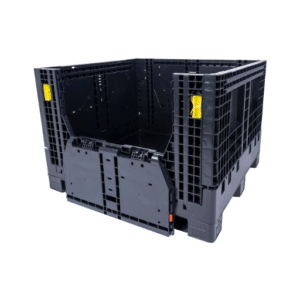
Plastic pallets have become essential in modern supply chains, ensuring the smooth flow of storage, transportation, and distribution of goods into various industries. The very nature of cleaning and sanitizing a pallet is an issue of product integrity, compliance, product safety, and operational efficiency. If not cleaned properly, plastic pallets become a source of contamination that affects both your products and your revenues. This blog post will list the cleaning methods and best industry practices and explore how a proper maintenance system can increase the life of pallets while protecting operational interests. Whether upgrading hygienic standards or increasing operational efficiencies for maintenance, this one-stop guide will provide you with all the details.
Pallet Cleaning Overview

Cleaning pallets is one important operation for maintaining the hygiene and safety of goods during storage or transportation. It includes the removal of dirt, dust, or other kinds of contaminants, and this is important to avoid the spread of bacteria, molds, or harmful substances. Pallets can be pressure-washed, steam cleaned, or disinfected with a cleaner that is accepted for that purpose. There is a higher cost if one does not clean, but by cleaning, one protects the products, increases pallet life, reduces health hazards, and meets health standards.
lmportance of Cleaning Pallets
Cleaning pallets frequently is vital for maintaining hygiene issues and the safety of the goods. They help to eliminate dirt, bacteria, and other contaminants that can compromise the feasibility of the stored or transported products. Clean pallets would, therefore, minimize the risk of cross-contamination, protect public health, and comply with industrial regulations. Furthermore, cleaning of pallets in the correct way will also render them more useful for a longer term, which will, therefore, render cheaper pallets in the long run. Integrating pallet cleaning as part of their day-to-day activities should enable companies to ensure that their products are well protected, enhance the efficiency of their products, and stand fully on their own as a professional entity.
Differences in Pallets: Plastic vs. Wood
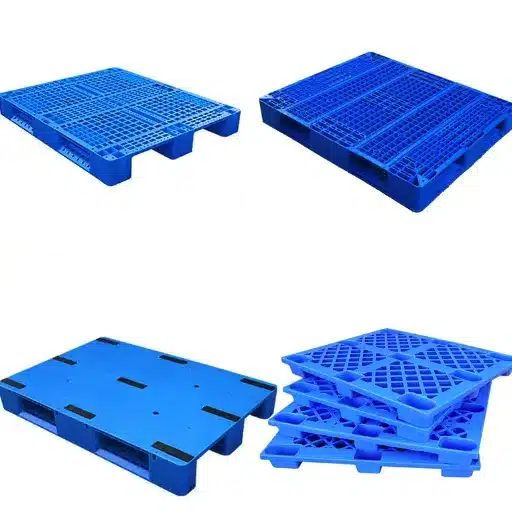
🟢 Plastic Pallets
- Lightweight and durable
- Moisture resistant
- Easy to clean
- Ideal for food and pharmaceutical industries
- Reusable and environmentally friendly
- Higher initial investment cost
🟤 Wood Pallets
- Cost-effective and affordable
- Easy to maintain initially
- Widely used in manufacturing and logistics
- May worsen against moisture
- Potential contamination risk if not maintained
- Requires more frequent replacement
Depending on the operational needs and budget, a choice may have to be made between plastic and wood pallets in terms of cleanliness or sustainability.
Effects on Logistics and Supply Chain
With their distinct attributes, plastic and wood pallets have differing impacts on logistics and supply chains-environment. Being considered in their durability and less-weight nature, plastic pallets cannot be replaced often and thus, can reduce transportation costs and increase efficiency in the long run. From it grows industries, which need contamination-free platforms such as pharmaceutical and food industries. Wood pallets are considered less durable but cheaper and widely accepted; with increased turnover, industries can utilize either. Maintenance and replacement rates are increased by their being vulnerable to destruction and contamination. In other words, the ultimate decision can affect cost management, operational efficacy, and sustainability practice within the supply chain.
Methods of Cleaning Plastic Pallets
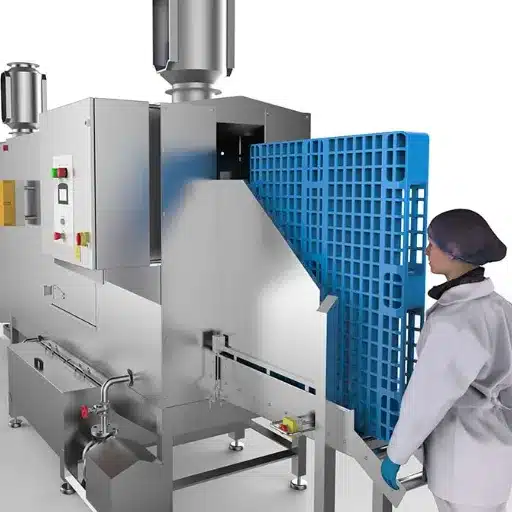
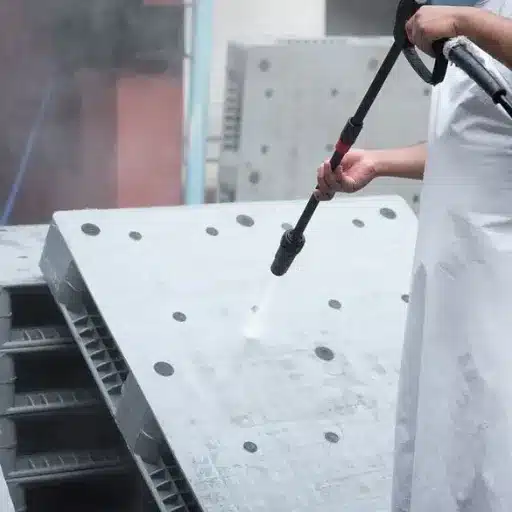
- Power Washing: Dirt, debris, and stains on the surfaces of plastic pallets are best removed with a pressure washer. This method is fast and highly efficient for thorough cleaning.
- Soap and Water Solution: The pallets may be washed either by hand or by using a machine with mild soap and warm water. Now rinse it thoroughly to wash off any soap residue.
- Steam Cleaning: Steam cleaning best sanitizes plastic pallets in industries that need utmost hygiene standard controls, such as food or pharmaceutical.
- Chemical Disinfectants: Apply approved disinfectants to get rid of bacteria and other harmful substances. Ensure that the chemicals used are compatible with plastic and safe for your industry.
- Drying: After the drying, air dry or use a drying system to dry them away from moisture, which encourages microorganism growth.
💡 Pro Tip: When these methods are done in proper manner, a company can keep its plastic pallets clean, hygienic, and durable for frequent use.
Manual Methods of Washing Pallets
These processes in the manual method of pallet washing with the basic yet effective steps needed for proper cleanliness. Begin by removing loose debris or dirt with cleaners or scrapers, paying attention to all hard-to-reach areas. Rinse the pallets with water, preferably with a hose or low-pressure washer so that they do not get damaged. Now apply a detergent-safe for plastic surfaces and scrub stains away with all contaminants. Rinse again to ensure that all soap residue has been washed away. Allow the pallets to air dry fully or speed up drying by using clean towels, thus preventing moisture accumulation that could lead to microbial growth. By following these steps, pallets are kept hygienic and safe to use in numerous applications.
Automatic Pallet Washers: How They Operate
Automatic pallet washers streamline the cleaning operation through a series of systems mechanized for efficiency and consistency. Generally, such a machine comprises conveyor systems which allow pallets to be transported through cleaning stages, such as pre-washing, washing by means of high-pressure water jets or brushes, rinsing, and drying. They usually provide adjustable settings, permitting the cleaning of pallets of different sizes or varying degrees of dirtiness and contamination. They may apply detergents for enhanced cleaning and some sophisticated units are equipped to sanitize, thereby providing a complete cleaning that is hygienic and safe. Such automation thus saves time and reduces labor costs, so that uniform standards of cleaning are maintained for each pallet.
Industrial Washing Programs
Insofar as industrial washing programs are concerned, these programs treat whatever has to be kept clean and sanitary in one industry or another. These are processes by which through automated equipment the items are cleaned on large volumes so as to become efficient. High-pressure jets of water, rotary brushes, and adjustable settings constitute the various ways of cleaning distinct sizes and types of materials, such as pallets. The use of detergents and provision for sanitization possess yet another dimension of efficiency to the industrial washers. By opting for such industrial cleaning methods, cleaners, businesses operating with mechanisms can maintain consistency in cleaning standards, saving on labor expenses and much valuable time in their industry, keeping productivity and safety.
Sanitization and Hygiene Standards
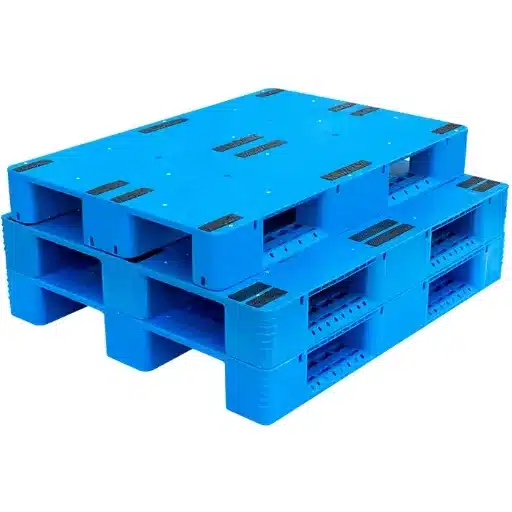
Cleaning and hygienic parameters are key to providing a good working environment. Industrial washing is an integral part of this because it washes off dirt, thereby eliminating the chances of cross-contamination and complying with regulatory requirements. Proper cleaning in turn safeguards the health and safety of the workers, while protecting the quality of the product. Having a sound cleaning process puts the businesses in a position to maintain hygiene levels consistently and thereby comply with particular industrial guidelines.
Food Safety Compliance in Pallet Cleaning
The pallet cleaning operation is significant in ensuring food safety compliance as it prevents the spread of disease-causing bacteria, allergens, or other contaminants all through the supply chain. Pallets have to be washed by the right method and by using the right equipment so that it stands with industry standards: high-pressure washing or sanitization systems will work well to remove the residues. Furthermore, the cleaning procedure ought to be continually made subject to inspection to ensure that it does not contravene any health regulations and to decrease any potential cases of cross-contamination. Additionally, choosing pallets constructed from materials that are easier to sanitize, such as plastic or stainless steel, would help comply with food safety standards and simultaneously contribute to their longevity and durability.
Advanced Sanitation
For the food and logistics industries, the modern sanitation method revolves around efficiency, thoroughness, and safety. From steam cleaning to UV light sterilization, to automated cleaning machines to electrified sanitizers, the aim is always to ensure the utmost hygiene by eradicating bacteria and contaminants. With the aid of apprehended cleaning technologies such as Clean in Place (CIP) systems, the internal parts of machines can get cleaned without any dismantling, thereby reducing downtime and keeping consistency in cleanliness. Further enhancement will ensue from antimicrobial surface coatings as well as the selection of non-porous materials in the equipment, which pave the way to an easier-to-clean environment resistant to bacterial growth. This ensures that the working environment remains productive while the sanitation meets stringent regulatory requirements.
Ensuring Hygiene for Reusable Pallets
Keeping reusable pallet hygiene is required in forestalling contamination and making sure that the health and safety guidelines are observed. Some best practices include checking pallets for damage or residues on a regular basis and thoroughly cleaning them using the appropriate sanitizing methods, plus high-pressure washing or chemical disinfectants as the occasion demands. Storing the pallets in a clean and dry place limits exposure to dampness and bacteria. Also, using pallets that are made with non-porous materials is of help and are easy to clean. An established cleaning program should be put forth to maintain these standards throughout the various operations.
Optimizing the Cleaning Process
- 1
Use Proper Equipment: Invest in cleaning tools like high-pressure washers and sanitizing agents designed for pallet cleaning to ensure thorough results. - 2
Train Employees: Provide clear instructions and training to staff on correct cleaning techniques to maintain consistency. - 3
Regular Inspections: Schedule routine checks to identify pallets requiring cleaning or replacement early. - 4
Implement a Cleaning Schedule: Introduce a regular cleaning cycle to prevent buildup of dirt and contaminants. - 5
Store Clean Pallets Properly: Keep cleaned pallets in dry and hygienic storage areas to prevent recontamination.
✅ These steps help ensure a streamlined, effective cleaning process that maintains both pallet integrity and hygiene standards.
Efficient Pallet Washing Solutions
The use of efficient pallet washing systems allows for advanced cleaning technologies to be used so that appropriate procedures are applied with ongoing industry standards for hygiene. One system of pallet cleaning involves the use of an automatic pallet washer: this is considered the most consistent method of washing, having the capabilities to wash completely and uniformly while simultaneously reducing manual labor. The system can be set up for cleaning various types of pallets and can use high-pressure jets of water, detergents, or a combination of these to remove all kinds of dirt and contaminants from pallets. The next level involves the recycling of water used in washing so as to reduce water consumption and also make it sustainable. For even smaller-scale operations, manual washing of pallets with good-quality cleaning agents and proper tools can be a viable solution for cleaners. These systems ensure that the pallets stay clean and durable and do so while enabling operational efficiency and complying with hygiene requirements.
Water Minimization in Cleaning
Minimizing water usage for cleaning processes entails adopting efficient techniques and technologies that reduce waste but never compromise functionality. Water minimization can be obtained through high-pressure washing systems with low water usage yet thorough cleaning performance. One can undertake water recycling so that used water is filtered for reuse and that excessive water consumption is curtailed. Also, using biodegradable concentrations of cleaning agents decreases the need for extensive rinsing, thus conserving water. An effective training of staff should be instituted on good practices such as focusing cleaning on areas that are heavily soiled to avoid the re-cleaning of areas that do not need to be cleaned. Of course, these efforts to save water sustain the environment and cut operational costs along the way.
Best Practices for Green Pallet Cleaning
Start with implementing sustainable pallet cleaning equipment such as low-pressure washers or automated systems that save water and energy. Use environmentally friendly cleaning agents that are biodegradable and effective to ensure cleaning with minimal environmental impact. Increase the awareness of workers on best cleaning practices including pre-soaking and targeted cleaning to avoid unnecessary redundancy. Conduct preemptive inspection and maintenance on pallets to keep an eye on minor problems that can extend the lifetime of pallets and hence reduce replacement frequency. Furthermore, a damaged pallet recycling scheme is also worthy considering to reduce waste further and enhance sustainability in operations.
Future of Pallet Cleaning in the Industry
Technological developments and growing insistence on sustainability trends are shaping the industrial future of pallet cleaning. Automated cleaning systems are getting installed more to facilitate speedy and efficient processes while having labor costs. In recycling water and the use of eco-friendly, clean chemicals, efforts double up in mitigating environmental impact. Better cleaning procedures and compliance measures may be put forth to meet increased hygienic and safety standards, with demand rising in food, pharmaceutical, and allied sectors. These innovations shall focus on improving efficiency, preventing waste, and adapting to ever-changing industry needs.
Trends for the Automated Pallet Washers
The automatic pallet washers now come equipped with advanced technologies such as the IoT and AI to optimize performance and smoothen operations. These systems work for real-time monitoring of operations, and predictive maintenance alerts as well as data analytics to enhance performance and reduce downtime. Conjointly, noteworthy attention is put on designing these methods to be energy efficient and environmentally sustainable, the option for water recirculation alongside less energy consumption being increasingly considered. Modular yet customizable designs are another trend, letting industries tailor pallet washers to specific needs while utilizing every inch of space for optimal functionality. Altogether, these improvements address an increasing demand for improved efficiency, environmentally-conscious solutions, and application-specific cleaning needs cutting across sectors.
Advancements in Cleaning Technology
Improvement in cleaning technology centers on making cleaning more efficient, environmentally friendly, and versatile. Energy-efficient systems, water recirculation, and reduced mechanisms for energy consumptions are widely accepted to satisfy environmental and economic demands. With the advent of modular and customizable designs, industries can now choose cleaning solutions that best fit their operations, effectively utilizing space and functionality together. These innovations ensure that cleaning procedures are effective, environmentally friendly, and adaptive to the changing demands of diverse sectors.
Logistics Innovations and Their Impact on Pallet Hygiene
The innovations in logistics have well bumped the pallets’ level of hygiene very much, by streamlining cleaning processes and optimization of the cleaning mechanism. Advanced washing systems offer proper sanitation through automated cleaning mechanisms and high-pressure systems while maintaining minimal water and chemical usage. Sustainable measures regarding water recycling and energy-efficient technology satisfy and address environmental concerns while also cutting down operational expenses. On the other hand, IoT enabled-tracking systems help keep track of the condition of the pallets real-time and timely maintain updates, thus improving sanitation protocols. Combinedly, these advancements are able to maintain top-notch standards of hygiene while catering to the growing demands of modern supply chains.
Reference Sources
-
ProStack: A Brief Introduction to Pallet Washing & Cleaning – This source discusses various methods for cleaning pallets, including manual and automated power washing.
-
Cherry’s Industrial Equipment: How to Keep Your Plastic Pallets Clean and Sanitary – Offers insights into high-pressure washing and other techniques for maintaining cleanliness in plastic pallets.
-
ORBIS Corporation: Understanding the Role of Plastic Pallets in Logistics – Highlights the benefits of plastic pallets, including their ease of cleaning and suitability for hygienic applications.
Frequently Asked Questions (FAQs)
❓ What Is the Importance of Pallet Cleaning in Food Safety?
Many industries, particularly production facilities and kitchens, must follow safe food standards, and pallet cleaning is an integral part of this process. Wooden pallets commonly used in handling food products tend to get dust and debris lodged in them or grease and grime that can cause contamination. Therefore, regular disinfection of pallets, by means of pressure-washing or industrial washing, is required for the highest sanitation. Using a power washer to remove dirt accumulation and then sanitizing ought to be enough for HACCP compliance. With the trifecta of cleaning, businesses can reduce health hazards and truly streamline their supply chain.
❓ How Do Automated Pallet Washers Function?
Automated pallet washing offers a very efficient cleaning process for pallets en masse, perfect for large-scale applications. Such a machine uses high-pressure water and special cleaning agents to ensure that every surface, both rough edges, and corners, is well-cleaned. Being constructed with stainless steel ensured durability and hygiene suited to sectors demanding high levels of sanitation. Lowering labor costs and downtimes associated with manual pallet washing, the automation will significantly bring about efficient workflow in logistics. Investing in the best automated pallet washer will improve companies’ efficiency in handling materials and keep the best cleaning standards.
❓ What Are the Best Practices for Washing Pallets Manually?
A few good practices must be followed to achieve the best results with manual pallet washing. The first thing is to remove all visible dirt, dust, or debris from the wooden pallets before the primary washing. A mild abrasive such as sand, combined with water, can be used to remove tough grime ingrained into the pallet wood. Then, after manual cleaning, it is advisable to power wash to clear any remaining dirt residue from the pallets. It is good to apply disinfectant after power washing to comply with sanitary standards. Finally, it is imperative that the pallets are allowed to dry fully before reuse to prevent mold and cement them in a condition that will serve them well upon the next use.
❓ Does Pallet Cleaning Contribute to Sustainability?
Among logistics and supply chain operations, pallet cleaning largely assists sustainability activities. Putting this into practice sustains the life of the pallets-whether wooden or plastic-and reduces the need for new manufacturing. Regular cleaning prevents the accumulation of grease and grime that might lead to damage, thus, enabling the reuse of pallets as time goes on. Furthermore, the introduction of modern industrial washing systems will allow for optimal water use and lessen environmental concerns. Ultimately, good pallet cleaning practices will enhance operational efficiency along with supporting sustainable industry practices.
🎯 Key Takeaway
Proper plastic pallet cleaning is essential for maintaining product integrity, ensuring compliance with industry standards, and extending pallet lifespan. By implementing the right cleaning methods, training staff properly, and adopting sustainable practices, businesses can protect their products, reduce costs, and enhance operational efficiency while meeting stringent hygiene requirements.