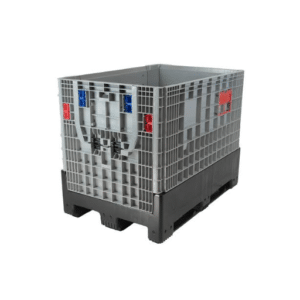
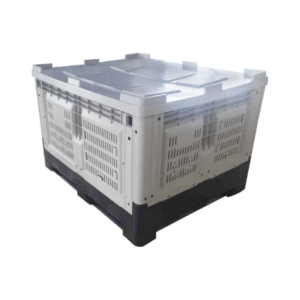
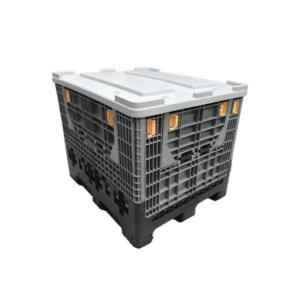
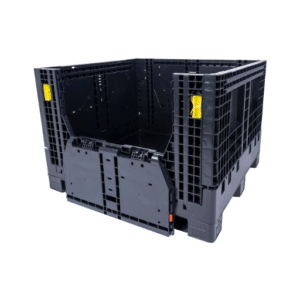
Plastic pallets are an important element in present-day shipping, warehousing, and logistics, being durable, lightweight, and inexpensive. However, patients will provide a lifespan to keep an effective working state. Lack of cleaning and maintenance causes the accumulation of dirt on plastic pallets; this contamination could breed bacteria or result in the damage of the pallets, thus posing a risk to sanitation and efficient work.
This guide helps you in plastic pallet maintenance so that your plastic pallets can serve you for many years while staying in good condition through cleaning and other maintenance techniques. This topic will go into each aspect thoroughly, including cleaning and maintaining methods that would keep operations up to speed. It will provide maintenance tips and insights for plastic pallets whether you operate a warehouse, run a production line, or engage in shipment handling.
Understanding Plastic Pallets
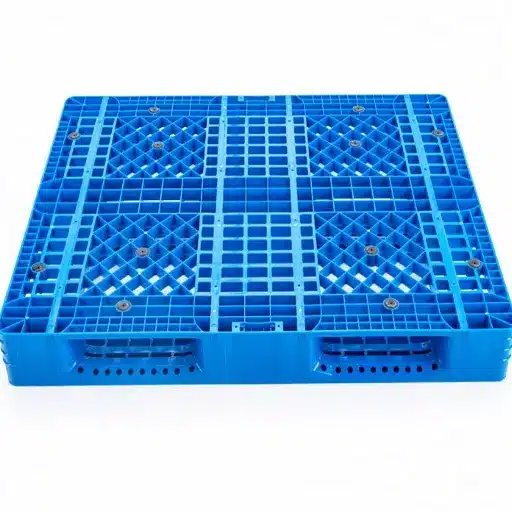
Plastic pallets are made for moisture resistance and offer a durable and lightweight option for industries. These pallets do not absorb liquids as in the cases of wooden ones. This well acts against contamination and makes it easy for them to be cleaned. They are durable enough to accommodate repeated usage without splintering or breaking on the other hand. Also, used plastic pallets may be recycled, thereby promoting sustainability and waste reduction in supply chain activities.
Types of Plastic Pallets
Nestable Pallets
Light in weight and can save on space, making them a good consideration for industries where storage space is limited.
Stackable Pallets
Provide stability to stacked loads, thus making them ideal for heavy articles.
Rackable Pallets
Strong and engineered to support long distances on racks, assuring safe storage and transportation.
Hygienic Pallets
Have applications in food and pharmaceutical industries, as these are easy to clean and adhere to stringent sanitation standards.
Export Pallets
The most inexpensive of all and meet the standards for international shipping; they are therefore best for one-way transit applications.
Advantages of Using Plastic Pallets
- Very light and sturdy, passing on the savings to shipping and offering steady support for heavy loads
- Resist moisture, pests, and chemicals and thus provide a hygienic and longer-life option than traditional wooden pallets
- Can be easily cleaned and maintained – required in food, pharmaceutical, and healthcare industries
- Encourage sustainability through reuse, thereby reducing waste
- Meet international standards for shipping, constituting an economical, time-saving option for supply chains worldwide
Weight Capacity and Load Distribution
Plastic pallets can be designed to accommodate for the load range depending on their model and material. Plastic pallets work efficiently with both static and dynamic loads when in use in transport and storage of goods. With an evenly distributed surface, plastic pallets provide good load balance so that neither the pallet structure nor the product structure receives more loading from the other. With such high reliability in load-bearing, these types of pallets can be considered for heavy-duty use in different sectors while ensuring the protection of products from damages during obstruction, as well as during storage.
Cleaning Plastic Pallets
Basic Cleaning Process
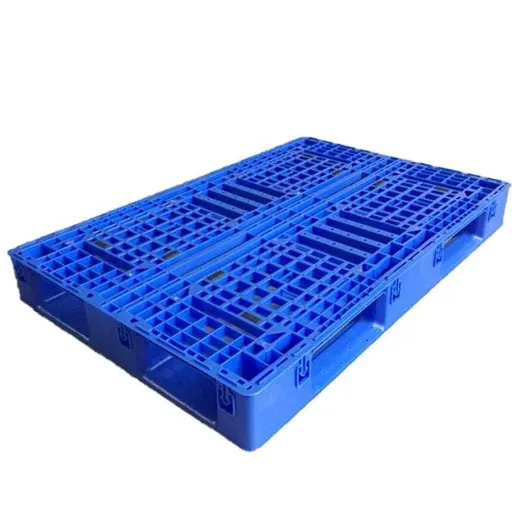
Cleaning plastic pallets, a simple cleaning process, basically ensures hygiene and longevity of the pallets: Use some warm water, mild detergent, and a soft-bristled brush to loosen dirt and debris from the surface. A diluted solution of vinegar or gentle cleaners may work well on stubborn stains. Finally, rinse with clean water so that no dirt or impurities settle on the surface. When drying, it is important that these pallets should be kept in an airy place, as retention of moisture might be problematic.
Importance of Clean Plastic Pallets
| Benefit | Description |
|---|---|
| Hygiene & Safety | Essential for ensuring compliance in hygiene-sensitive sectors of food and pharmaceuticals |
| Contamination Prevention | Clean pallets prevent transmission of contaminants during transportation and storage |
| Surface Protection | Reduces the impact of abrasion and weathering on the surface of plastic pallets |
| Operational Efficiency | Helps avoid possible contamination or product rejection, promoting operational efficiency |
Methods of Cleaning Plastic
- Initial Debris Removal: Remove loose debris or dirt using a brush or compressed air
- Gentle Deep Cleaning: Use warm water and mild detergent-soap for deeper cleaning to remove all residues when scrubbing
- Spot Treatment: For spots or more rigorous sanitizing requirements, consider diluted vinegar or cleaners appropriate for the specific plastic type
- Thorough Rinsing: Rinse thoroughly with clean water so no soap or chemical residue ends up on the surface
- Proper Drying: Allow to air dry or dry with clean wipes to expedite the process
Inspecting for Damage While Cleaning
⚠️ Critical Inspection Points
The operator is to regularly inspect the plastic for signs of damage (cracks, discoloration, deformations) during cleaning that could affect its integrity and function.
- Pay attention to stress points, joints, and areas subjected to heavy usage or hostile environmental conditions
- Early detection of damage allows for repairs or replacement to be undertaken so safety is restored and longevity guaranteed
- Have it logged in an observation document and take remedial action on the entry to prevent further degradation or hazards
Maintaining Your Plastic Pallets

Essential Maintenance Procedures
Plastic pallet maintenance prolongs their service life and ensures a safe operation. Follow these simple procedures.
🧽 Cleaning
Wash pallets from time to time with water and mild detergent to remove dirt and contaminants. Avoid harsh chemicals that could damage the material.
🔍 Damage Inspection
After each use, check for any cracks, warping, or wear. Take immediate actions in repairing or replacing any damages so as to avoid hazards during handling.
🏠 Storage
Store in a clean, dry place, away from direct sunlight and extreme temperatures since such conditions may cause premature deterioration.
⚖️ Load Limits
Follow the specified load capacity in order not to stress or damage the pallets.
Routine Maintenance Practices
The general maintenance routine covers inspection, cleaning, and proper handling of plastic pallets. They are inspected for any cracks, warping, or other signs of wear and tear while any defects found are promptly rectified. Pallets are kept clean and washed using mild soap and water, which takes away any dirt, debris, or contaminants. Pallets are then stored in a dry, temperature-controlled environment away from direct heat or any harmful elements. Proper handling includes avoiding dragging or dropping the pallets, which could unnecessarily stress them. By following these practices, you will maintain your pallets’ quality and functionality for good.
Proper Storage for Plastic Pallets
Storage Best Practices
- Ensure pallets are in a clean, dry, and temperature-controlled location
- Keep away from extreme heat or damaging elements
- Stack pallets evenly to prevent warping or structural strain
- Avoid stacking too high to reduce the chance of accidents
- Check storage area regularly for cleanliness and remove debris or contaminants
Stacking Methods to Enhance Pallet Life
📚 Professional Stacking Guidelines
- Check and confirm that the pallets are clean and free of any defects before stacking
- Ensure pallets are properly aligned to assure even weight distribution and minimize strain
- Never surpass the recommended height for stacking to maintain stability and prevent accidents
- Ensure stacking is done on flat and stable surfaces to provide a good base
- Consider using support aids such as corner protectors or strapping to ensure good stack stability
Best Practices in the Supply Chain
Establishing efficient and reliable supply chain operations requires considering certain operational best practices. First, maintaining clear communication between all stakeholders will lead to tighter collaboration and avoid any possible delays. Second, make the best use of technological tools such as inventory management systems to track items properly and foresee procurement actions. Third, lay emphasis on supplier relations by building a foundation of trust and incorporating feedback mechanisms. Lastly, design a continual review and rethink cycle that looks for wastes and inefficiencies. The above-mentioned steps go on to form the backbone of a seamless supply chain.
Integrating Clean and Maintained Pallets in the Supply Chain
- Use of well-maintained pallets will diminish the possibility of product damage in transit, thus reducing losses and bolstering customer satisfaction
- Clean pallets are essential for compliance with laws and regulations, especially in those concerned with food or pharmaceutical items wherein contamination is critical
- Regular inspections and maintenance keep tabs on any wear and tear early enough; this prolongs the expected lifespan of the pallets and prevents disruptions
- Introduction of a pallet tracking system can boost supply chain transparency for improved inventory management and logistics streamlining
Training Staff on Plastic Pallet Care
👥 Essential Training Areas
To attain optimal longevity and performance from plastic pallets, the training of staff is paramount. Employees need to learn:
- How to handle and store pallets properly to avoid damage
- Proper lifting techniques and even stacking methods
- Cleaning frequency and contamination prevention, especially in food or pharmaceutical sectors
- Daily inspection procedures to detect cracks, structural weaknesses, or signs of wear
- Cultivating a culture of ownership and adherence to best practices
Monitoring Performance and Maintenance Records
| Monitoring Aspect | Key Metrics | Benefits |
|---|---|---|
| Performance Tracking | Number of repairs, damage incidents, usage duration, patterns | Identify emerging issues and trends |
| Record Maintenance | Inspection reports, repairs, alterations | Evidence of compliance and proactive decision-making |
| Documentation Benefits | Well-indexed records, audit trails | Fast-track audits and continuous improvement |
Reference Sources
-
ProStack: How to Effectively Clean and Maintain Plastic Pallets – This source offers expert cleaning and maintenance tips to extend the lifespan of plastic pallets and ensure their peak performance.
-
GoPlasticPallets: The Ultimate Guide to Cleaning Plastic Pallets – This guide explains three methods for cleaning plastic pallets: manual cleaning, pressure washing, and sanitization.
-
PHS Inc.: How To Maintain Food Safe Plastic Pallets – This source emphasizes the importance of proper cleaning and maintenance to ensure the food safety of plastic pallets.
Frequently Asked Questions (FAQs)
🎯 Key Takeaway
Proper maintenance and cleaning of plastic pallets is essential for operational efficiency, product safety, and long-term cost savings. By following the guidelines in this comprehensive guide, you can ensure your plastic pallets serve your business effectively while maintaining the highest standards of hygiene and performance.