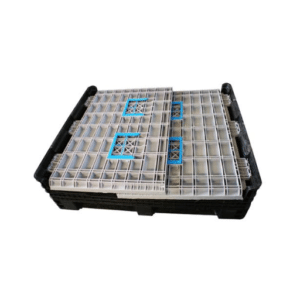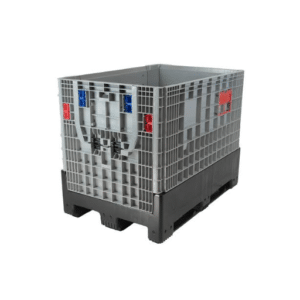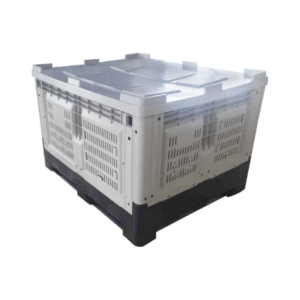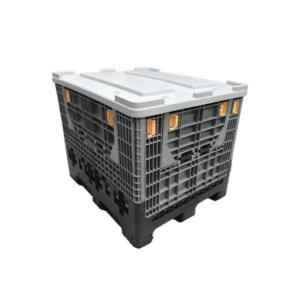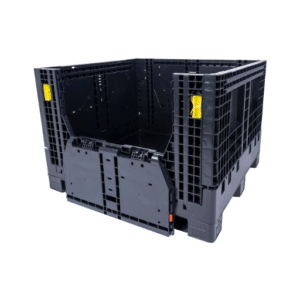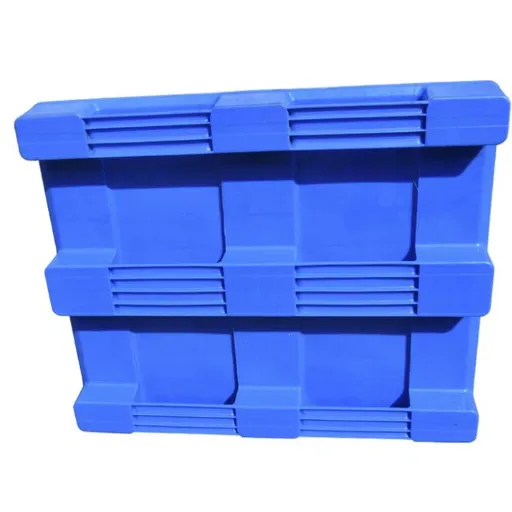

Pharmaceutical plastic pallets are specialized hygienic platforms made from FDA-compliant resins like virgin HDPE or PP, designed to prevent contamination, support GMP audits, and withstand the temperature extremes of pharmaceutical logistics. Unlike wood, they offer non-porous surfaces, consistent dimensions for automation, and exemption from international fumigation rules. For pharmaceutical operations, the right pallet is not a commodity. It is a compliance asset.
In 2019, Maria Chen, a quality assurance manager at a mid-sized generics manufacturer in New Jersey, watched her facility fail a routine FDA inspection. The violation was not in the production line. It was in the warehouse. Wooden pallets stored near active ingredient totes had shown mold growth and splintering. The auditor flagged the pallets as a potential contamination vector. The remediation cost her company $180,000 in pallet replacement, additional cleaning validation, and delayed shipments. “We treated pallets as procurement, not quality, ” Maria later told a trade journal. “That is a mistake we will not repeat. ”
That story is more common than many operations leaders want to admit. The pharmaceutical industry demands contamination control, batch traceability, and documented compliance. Every component that touches the supply chain matters. Pharmaceutical plastic pallets meet those demands in ways wood simply cannot. In this guide, you will learn what makes a pallet truly pharmaceutical-grade, how to evaluate suppliers, which standards apply, and why leading manufacturers are switching to plastic in 2026.
Key Takeaways
- Pharmaceutical plastic pallets use non-porous virgin HDPE or PP to prevent microbial growth, chemical absorption, and contamination.
- FDA 21 CFR, GMP, WHO guidelines, and ISO 8611 testing are the core compliance frameworks buyers must verify.
- Plastic pallets outperform wood in hygiene, dimensional stability, automation compatibility, cold chain resilience, and total cost of ownership.
- A 12-point selection checklist covering material, design, load ratings, temperature range, and traceability separates compliant pallets from risky ones.
- In 2026, RFID traceability, automation integration, and recycled-resin sustainability are reshaping pharmaceutical pallet requirements.
What Are Pharmaceutical Plastic Pallets?
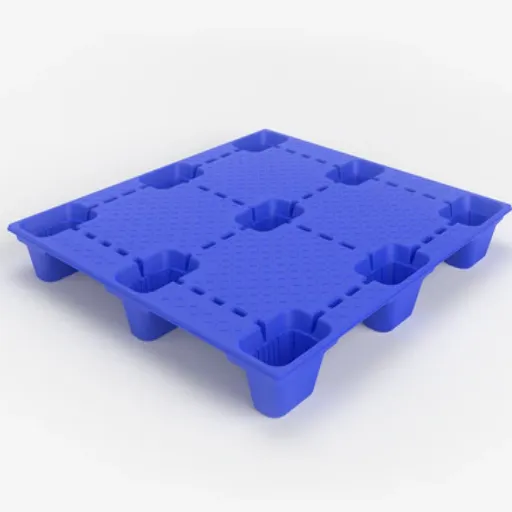
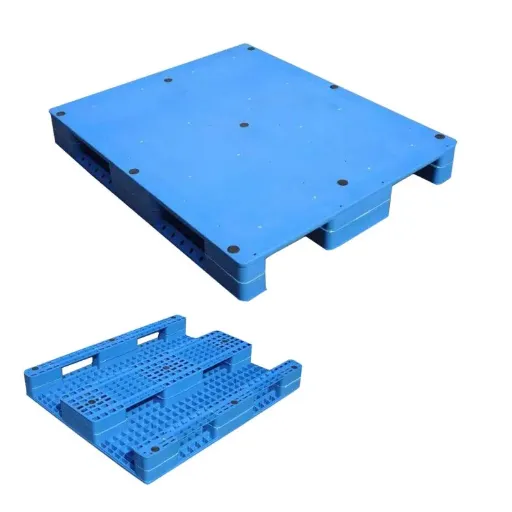
Pharmaceutical plastic pallets are load-bearing platforms engineered specifically for the storage, handling, and transport of drug products, active pharmaceutical ingredients (APIs), raw materials, and medical devices. They are typically manufactured from virgin high-density polyethylene (HDPE) or polypropylene (PP) using injection molding or structural foam processes. The result is a one-piece or welded design with smooth, closed decks, rounded corners, and no hollow spaces where moisture or pathogens can collect.
The defining feature of these pallets is their suitability for regulated environments. Standard industrial pallets may carry loads efficiently, but they are not designed for cleanrooms, washdown procedures, or GMP documentation trails. A pharmaceutical pallet must do more than hold weight. It must be cleanable, traceable, chemically resistant, and dimensionally stable across thousands of use cycles.
Key characteristics include:
- Non-porous surface that does not absorb liquids, odors, or bacteria
- Closed-deck design to prevent dust and spillage from falling to lower levels
- Virgin resin construction for direct or indirect pharmaceutical contact
- Smooth, seamless construction without nails, splinters, or joints
- Chemical resistance to disinfectants, solvents, and cleaning agents
- Temperature stability from cold chain storage through sterilization cycles
- Dimensional consistency for automated warehouses and conveyor systems
- RFID or barcode compatibility for batch traceability and recall readiness
At Shandong Lile, we design pharmaceutical plastic pallets with these requirements built in from the mold. Our hygienic pallets meet FDA and GMP standards and are used by pharmaceutical operations across 108 countries.
Why Pharmaceutical Operations Choose Plastic Over Wood
The pharmaceutical industry has not abandoned wood pallets because wood is cheap. It has abandoned them because wood introduces risks that are incompatible with modern quality systems. Here are the seven reasons operations leaders give for the switch.
1. Non-Porous, Contamination-Resistant Surface
Wood is porous. It absorbs moisture, chemicals, and biological material. In a pharmaceutical warehouse, that means a wooden pallet can harbor mold, bacteria, or residual cleaning agents. It can also release dust, splinters, and foreign particles into the air. Plastic pallets, by contrast, have solid, non-porous surfaces that do not absorb contaminants. A spill can be wiped or washed away without penetrating the material.
2. FDA and GMP Compliance
Regulatory agencies expect pharmaceutical companies to control every vector that could affect product quality. The FDA’s 21 CFR regulations, EU GMP guidelines, and WHO good manufacturing practices all emphasize cleanliness, contamination prevention, and documented controls. Pharmaceutical plastic pallets support compliance by providing smooth, cleanable surfaces and by using resins that meet food-contact and pharmaceutical-contact requirements.
3. ISPM-15 Exemption for Global Shipping
Wooden pallets used in international trade must comply with ISPM-15, which requires heat treatment or fumigation to prevent pest transfer. That adds cost, documentation, and delay. Plastic pallets are exempt. For pharmaceutical companies shipping APIs, finished goods, or clinical supplies across borders, that exemption removes a significant customs friction point.
4. Consistent Dimensions for Automation
Automated warehouses and robotic handling systems depend on predictable pallet geometry. Wood warps, shrinks, and swells with humidity. A wooden pallet that measures 1,200 mm in January may measure 1,195 mm in August. That variation causes jams in conveyor systems, misalignment in AS/RS racks, and downtime that costs thousands per hour. Plastic pallets maintain tight tolerances, with some manufacturers achieving ±0.1 mm consistency across production batches.
5. Cold Chain and Temperature Resistance
Vaccines, biologics, and temperature-sensitive APIs travel through cold chain networks that operate at -20°C, -40°C, or even lower. Wood becomes brittle in freezing environments and absorbs condensation during thaw cycles. Pharmaceutical plastic pallets made from HDPE or PP retain structural integrity across wide temperature ranges, typically from -40°C to +80°C and, for specialized grades, up to +130°C during sterilization.
6. Longer Lifespan and Lower Total Cost of Ownership
A standard wooden pallet may last 8 to 15 trips in normal conditions. A pharmaceutical-grade plastic pallet can last 10 to 15 years and 20 to 30-plus trips per year in closed-loop systems. According to industry analysis, plastic pallets can save high-volume operations up to £230,000 over a decade when compared to repeated wood pallet purchase, repair, and disposal. The initial unit price is higher, but the cost per trip is significantly lower.
7. RFID Traceability and Recall Readiness
Pharmaceutical supply chains must be able to track batches from raw material to patient. RFID-enabled plastic pallets can be scanned automatically at every warehouse gate, production line, and distribution hub. Some facilities report achieving 99.8% inventory accuracy within six months of deploying RFID-tracked pallets. In a recall scenario, that traceability can mean the difference between hours and weeks of investigation.
Want to see how GMP-compliant plastic pallets perform in regulated environments? Explore our dedicated pharma pallets page for specifications, compliance details, and customization options.
Pharmaceutical Pallet Selection Checklist: 12 Must-Verify Criteria
Not every plastic pallet qualifies for pharmaceutical use. Buyers should evaluate each candidate against the criteria below before adding it to a GMP-controlled warehouse.
| # | Criterion | What to Look For |
|---|---|---|
| 1 | Material | Virgin HDPE or PP; FDA 21 CFR compliant; batch traceability available |
| 2 | Design | Closed-deck, smooth surface, one-piece or welded construction, rounded corners |
| 3 | Load Ratings | ISO 8611 tested static, dynamic, and racking loads with safety margin applied |
| 4 | Temperature Range | Validated from at least -40°C to +80°C; sterilization grades up to +130°C |
| 5 | Chemical Resistance | Resistant to acids, alkalis, detergents, and common pharma disinfectants |
| 6 | FDA Compliance | Resin and additives meet FDA 21 CFR Title 21 for indirect or direct contact |
| 7 | ISO Standards | ISO 6780 dimensional compliance; ISO 8611 performance testing |
| 8 | GMP Documentation | Certificate of analysis (COA), quality agreements, audit-ready batch records |
| 9 | Cleanroom Compatibility | Smooth, non-shedding surface suitable for controlled environments |
| 10 | Automation Fit | ± tolerances documented; four-way entry; compatible with conveyors and AS/RS |
| 11 | Traceability | RFID pockets, barcode label zones, or embedded chip options available |
| 12 | End-of-Life | 100% recyclable resin; supplier take-back or recycling program preferred |
Rule of thumb: any pallet that scores below “acceptable” on material, design, or FDA compliance should be disqualified for pharmaceutical use, regardless of price.
In 2023, a European vaccine distributor learned this lesson during a pilot program. The procurement team selected a lower-cost recycled-blend pallet for secondary packaging. Within three months, quality noticed surface pitting after repeated washdowns. Microbial testing showed elevated counts in the pits. The entire pallet fleet was scrapped. The supplier had not disclosed the recycled content ratio or the blended resin’s washdown limits. A checklist would have caught the gap before the purchase order was signed.
Standards and Certifications Explained
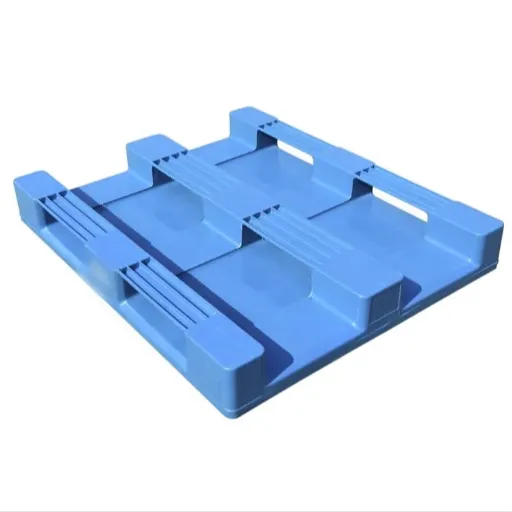
Pharmaceutical buyers operate under a stack of overlapping regulations. Understanding which standards apply to pallets helps you ask suppliers the right questions.
FDA 21 CFR Title 21
The U.S. Food and Drug Administration regulates materials that contact food and drugs. For pallets, FDA 21 CFR compliance means the resin, colorants, and additives are safe for indirect contact with pharmaceutical products. Some high-grade medical pallets are also suitable for more direct contact scenarios under validated conditions.
GMP and cGMP
Good Manufacturing Practice (GMP) and current Good Manufacturing Practice (cGMP) are quality systems that ensure pharmaceutical products are consistently produced and controlled to quality standards. Pallets in GMP areas must be cleanable, inspectable, and documented. They should not generate particles, absorb contaminants, or provide hiding places for microbial growth.
WHO Guidelines
The World Health Organization publishes guidelines for the manufacture, storage, and distribution of pharmaceutical products. These guidelines emphasize protection from contamination, proper handling, and suitable packaging materials. Pharmaceutical plastic pallets that meet FDA and GMP requirements typically align with WHO expectations as well.
ISO 6780 and ISO 8611
ISO 6780 defines international pallet dimensions, ensuring compatibility with racking, trucks, and handling equipment worldwide. ISO 8611 specifies test methods for pallet performance, including compression, bending, and impact tests. A supplier should provide ISO 8611 test reports with stated static, dynamic, and racking load ratings.
HACCP and FSMA
While HACCP (Hazard Analysis Critical Control Point) and the FDA’s Food Safety Modernization Act (FSMA) are food safety frameworks, they are relevant to pharmaceutical operations that also handle food-grade excipients or operate dual-use facilities. Non-porous, easy-to-clean plastic pallets support HACCP principles.
ISPM-15 Exemption
The International Plant Protection Convention’s ISPM-15 standard requires wood packaging to be heat-treated or fumigated before international shipment. Plastic pallets are exempt. This simplifies export documentation and reduces transit delays for pharmaceutical shipments.
Pharmaceutical Applications: Matching Pallet Types to Use Cases
Different pharmaceutical products place different demands on pallets. Matching the right design to the application reduces risk and improves efficiency.
Active Pharmaceutical Ingredients (APIs)
APIs are often high-value powders, granules, or intermediates stored in drums or intermediate bulk containers. The pallet must support heavy static loads, resist chemical spillage, and provide stable footing for drums. Closed-deck hygienic pallets with steel reinforcement are commonly specified.
Vaccines and Biologics (Cold Chain)
Vaccines, insulin, monoclonal antibodies, and cell therapies travel through validated cold chains. Pallets must perform at -20°C to -40°C without cracking. They must also tolerate condensation during transfer from cold storage to ambient packing areas. Cold-resistant HDPE pallets with closed decks are the standard choice.
Finished Pharmaceutical Products
Tablets, capsules, and vials in secondary packaging require clean, stable transport. Nestable or stackable plastic pallets save space in return logistics while protecting cartons from warehouse floor contamination. Lightweight designs reduce freight cost without sacrificing load capacity.
Medical Devices and Diagnostics
Diagnostic kits, surgical instruments, and implantable devices often have sterile packaging that must remain intact. Smooth plastic pallets prevent punctures from splinters or nails. They also support barcode and RFID tracking through distribution networks.
Raw Materials and Packaging Components
Excipients, empty vials, caps, labels, and folding cartons may not be sterile, but they still require protection from moisture, dust, and pests. Recycled-content plastic pallets can be suitable for non-direct-contact staging areas, provided they meet internal quality standards.
Plastic Pallets vs. Wooden Pallets in Pharmaceuticals
The choice between plastic and wood in pharmaceutical logistics is not close. The table below compares the two materials across the dimensions that matter most in regulated environments.
| Factor | Pharmaceutical Plastic Pallets | Wooden Pallets |
|---|---|---|
| Hygiene | Non-porous; does not absorb moisture or bacteria | Porous; absorbs liquids, odors, and biological material |
| Contamination Risk | Low; no splinters, nails, or dust | High; shed particles, mold, and pests possible |
| FDA Compliance | Designed for FDA 21 CFR compliance | Difficult to validate for pharma contact |
| ISPM-15 | Exempt; no fumigation needed | Required for most international shipments |
| Lifespan | 10-15 years; 20-30+ trips per year | 2-5 years; 8-15 trips average |
| Temperature Range | -40°C to +80°C or higher | Becomes brittle in freezing conditions |
| Dimensional Tolerance | ±0.1 mm or tighter in precision grades | Warps and swells with humidity |
| Automation Fit | Excellent for AS/RS, conveyors, robotics | Poor; inconsistent dimensions cause jams |
| Traceability | RFID pockets and barcode zones standard | Difficult to integrate cleanly |
| Weight | ~70% the weight of comparable wood pallets | Heavier, especially when wet |
| Total Cost of Ownership | Lower over multi-year closed-loop use | Higher due to replacement and repair |
| Recyclability | 100% recyclable HDPE or PP | Biodegradable but often landfilled after treatment |
The 1982 Tylenol crisis remains a defining case in pharmaceutical safety. While the primary issue was product tampering, subsequent FDA investigations and industry recalls also highlighted risks from treated wood pallets. Chemicals used in wood preservation can migrate through packaging under certain conditions. That historical vulnerability is one reason modern pharmaceutical warehouses specify plastic for any load that could be affected by environmental contamination.
2025-2026 Trends Shaping Pharma Pallets
The pharmaceutical pallet market is evolving rapidly. Three trends are particularly important for buyers planning fleet upgrades in 2026.
RFID and Real-Time Traceability
Regulators and customers now expect end-to-end supply chain visibility. RFID-enabled pharmaceutical plastic pallets allow warehouses to track batch location automatically, reduce manual counts, and accelerate recalls. Market data indicates that 45% of new pallet launches in 2024-2025 included recycled resin or RFID integration.
Automation and AS/RS Integration
Pharmaceutical distribution centers are adopting automated storage and retrieval systems at a faster rate than ever. These systems require pallets with consistent weight, dimensions, and fork entry geometry. Precision-molded plastic pallets are becoming the default specification for new automated facilities.
Recycled Resin and Sustainability Demands
The pharmaceutical sector emits approximately 52 megatons of CO₂ equivalent annually. Supply chain leaders are under pressure to reduce that footprint. Plastic pallets made from recycled HDPE support circular-economy goals while maintaining the hygiene and durability required for regulated logistics. Some suppliers now offer take-back programs that recycle end-of-life pallets into new products.
Curious whether pharmaceutical plastic pallets fit your specific application? Contact our team for a free consultation and custom specification review.
How to Qualify a Pharmaceutical Pallet Supplier
Buying the right pallet is only half the battle. You also need a supplier capable of supporting your compliance program over the long term. Use this four-step qualification process before placing a large order.
Step 1: Documentation Audit
Request the following documents upfront:
- ISO 9001 certificate
- FDA 21 CFR resin compliance statement
- ISO 8611 test reports for the specific pallet model
- Certificate of analysis (COA) for material batches
- Quality agreement template
A supplier that hesitates to provide these documents is a supplier to avoid.
Step 2: Sample Testing Protocol
Order samples and subject them to your internal qualification tests. Typical tests include dimensional verification, load testing at rated capacity, washdown simulation with your standard cleaning agents, and visual inspection after temperature cycling. Document results against your user requirements specification.
Step 3: Factory Verification
If possible, conduct an on-site or virtual audit of the manufacturing facility. Confirm that the supplier operates its own injection molding equipment rather than subcontracting production. At Shandong Lile, for example, we maintain 18 large-scale injection molding machines in our Shandong facility and welcome customer audits.
Step 4: Pilot Run with Defined KPIs
Before a full fleet rollout, run a pilot with 50 to 200 pallets in one warehouse area. Track metrics such as damage rate, cleaning cycle time, compatibility with handling equipment, and any quality complaints. Use the data to validate the business case and refine your specification.
For a broader framework on selecting a manufacturing partner, see our buyer’s checklist for choosing a plastic pallet manufacturer.
Conclusion
Pharmaceutical plastic pallets are no longer a niche product. They are a standard requirement for GMP-controlled warehouses, cold chain distribution, and automated pharmaceutical facilities. The right pallet protects product quality, simplifies regulatory audits, reduces total cost of ownership, and supports the traceability systems that modern supply chains demand.
Before you buy, remember the essentials:
- Insist on virgin HDPE or PP with FDA 21 CFR compliance
- Verify ISO 8611 load testing and ISO 6780 dimensions
- Match the pallet design to your specific pharmaceutical application
- Confirm cold chain performance if you handle vaccines or biologics
- Demand RFID or barcode compatibility for traceability
- Qualify the supplier through documentation, testing, and pilot runs
At Shandong Lile, we have spent more than 14 years engineering plastic pallet solutions for regulated industries. From our 16 subsidiaries to our operations in 108 countries, we approach every project with the same commitment: high quality, high standards, strict requirements. If you are evaluating pharmaceutical plastic pallets for your facility, we are ready to help.
Ready to upgrade your pharmaceutical supply chain? Request a quote today and discover how Lile’s GMP-compliant plastic pallets can protect your products, your audits, and your reputation.