When choosing pallets, it becomes crucial for businesses to make a distinction between Grade A and Grade B pallets for […]
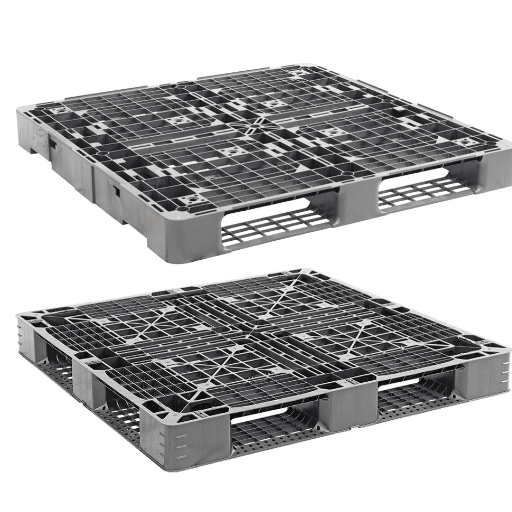
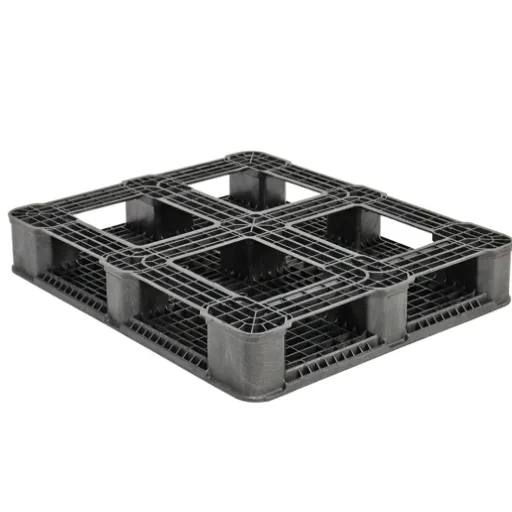
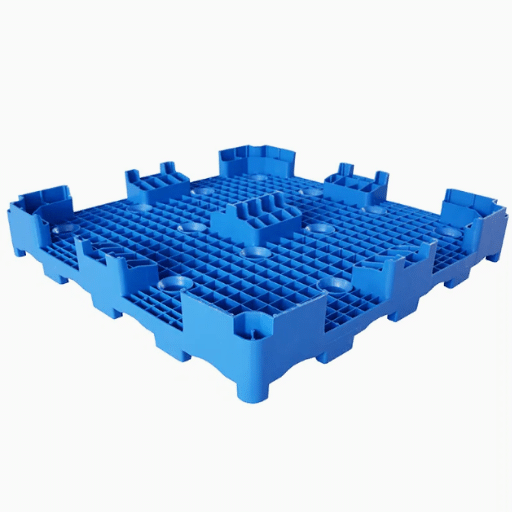
The Printing Industry Pallet is a robust and reliable solution engineered to meet the specific demands of the printing and packaging sector. Designed for precision and efficiency, it is the ideal platform for handling, storing, and transporting paper, cartons, and other printed materials. From moving raw materials to the press to dispatching finished products, these pallets streamline operations and protect sensitive goods from damage. Constructed from high-density polyethylene (HDPE), these pallets offer superior durability and longevity, withstanding the rigorous demands of high-volume printing environments. Their smooth, flat surfaces prevent creasing, bending, or pressure damage to printed materials.
| Specification | Details |
|---|---|
| Dimensions | Standard sizes: 48" x 40", 31.5" x 23.6", 45.5" x 45.5"; Custom sizes available |
| Height | 5.5" – 8" (varies by model) |
| Material Types | High-density polyethylene (HDPE), aluminum, steel |
| Weight Capacity | Static load: up to 6,000 lbs; Dynamic load: up to 3,000 lbs |
| Surface | Smooth, ribbed, or slotted top¡ªcustom finishes for delicate or specialty substrates |
| Entry Type | 2-way or 4-way forklift/pallet jack access |
| Compatibility | Designed for sheet-fed, web offset, flexographic, and digital printing presses |
| Certifications | ISO 9001, ASTM-compliant, and tailored to leading press manufacturer requirements |
| Additional Options | Vacuum hold-down, anti-slip coatings, static-dissipative surfaces, custom color/branding |
High-quality printing pallets are renowned for their exceptional durability and strength, essential features for handling the rigorous demands of the printing industry. These pallets are constructed from robust materials such as HDPE, ensuring they can withstand the heavy loads typical in commercial printing environments. Durability not only enhances the lifespan of the pallets but also ensures that the printing process remains consistent and reliable, minimizing disruptions.
The stackable design of printing pallets significantly enhances operational efficiency. By allowing multiple pallets to be stacked securely, these specially designed platforms optimize storage space and facilitate seamless material handling. This feature is particularly beneficial in printing presses where space is at a premium, enabling printers to maintain an organized workflow. Stackable pallets contribute to streamlined operations, reducing downtime and ensuring the continuous flow of production.
Compatibility with a wide range of printers is a hallmark of high-quality printing pallets. These pallets are engineered to work seamlessly with different types of printing equipment, from traditional screen printing presses to advanced digital printers. This versatility ensures that printing industry pallets can be integrated into any printing environment, supporting non-stop operations and enhancing overall productivity. The adaptable design makes them indispensable across various printing applications.
When choosing pallets, it becomes crucial for businesses to make a distinction between Grade A and Grade B pallets for […]
Farm pallets are heavy platforms that help into the transportation, storage, and arrangement of agricultural goods. In general, the main […]
The Shanghai warehouse manager Chen discovered a minor crack which extended across the plastic pallet deck during the previous quarter. […]
In material handling and logistics, the right choice of a pallet affects efficiency, cost implications, and sustainability. Based on their […]
A: A Printing Industry Pallet is a specialized platform designed to handle paper, cardstock, and other substrates in commercial printing environments. It is built to precise dimensions to ensure compatibility with modern printing presses and die-cutting machinery, enhancing workflow automation and stability.
A: A high-quality printing pallet provides a perfectly flat and stable surface, which is crucial for accurate substrate alignment. This stability prevents misfeeds and ensures consistent registration throughout the print run, significantly reducing errors and improving the final print quality.
A: The most common material is a durable, high-performance polymer. This printing plastic for pallet manufacturing, often High-Density Polyethylene (HDPE), is chosen for its rigidity, impact resistance, and ability to hold tight tolerances, which is essential for automated press operations.
A: Yes. There are several types, including press pallets for sheet-fed offset, roll pallets for web-offset printing, and slave pallets for work-in-progress storage. Each Printing Industry Pallet is designed to optimize a specific part of the printing or finishing process.
A: Plastic pallets offer superior durability, dimensional consistency, and a much longer service life. They are resistant to moisture, chemicals, and don’t splinter or warp like wood, which protects both the printing equipment and the paper stock from damage and contamination.
A: The printing plastic for pallet construction makes them easy to maintain. They can be wiped down or washed to remove ink, dust, and debris. Regular inspection for any damage is recommended to maintain performance and safety standards.
A: Using a well-designed Printing Industry Pallet reduces press stoppages caused by feeding issues. Its compatibility with automated systems, forklifts, and AGVs streamlines material handling, allowing for faster job changeovers and a more productive workflow from start to finish.
A: Many pallets are designed to be compatible with specific press models from leading manufacturers like Heidelberg, Bobst, and Komori. It’s important to select a printing pallet that matches your equipment’s specifications for feed style (automatic or manual) and dimensions to ensure seamless integration.
An expert manufacturer of industrial plastic pallets and custom solutions for businesses worldwide.