Being haunted by the options, businesses weigh the pros and cons. The two types of pallets remain the essential chains for storage, transportation, and material handling, each having its own advantages and disadvantages. This blog will give a complete comparative view of plastic and wood pallets so that your needs can dictate which one is best suited for you. Factors like durability and cost-effectiveness, sustainability, and maintenance shall be considered in this comprehensive analysis that creates the difference in making this decision. Whether it is warehouse management, optimizing the shipping operation, or being eco-conscious, this guide will give you important insights that are needed to make a well-informed choice.
Understanding Pallet Types

The two most common types of pallets used in transportation and storage happen to be wood and plastic. Wood pallets are famous for low cost and wide availability, thus making them highly demanded for a one-way shipment or for heavier loads. On the contrary, plastic pallets are robust while being light, reusable, can last longer, and are moisture-resistant as well as pest-resistant. Both have their good side; the right pallet choice really depends on whether you will require something for a brief period of time, for a treasure in capacity, or maybe in long-term functionality-based costs.
What is a Plastic Pallet?
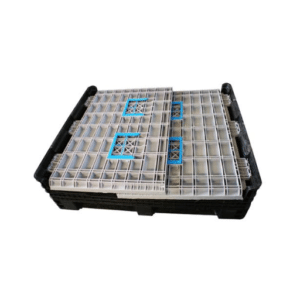
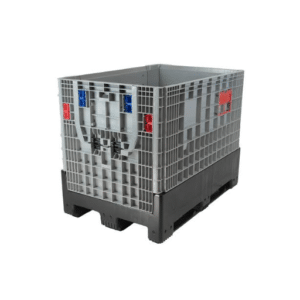
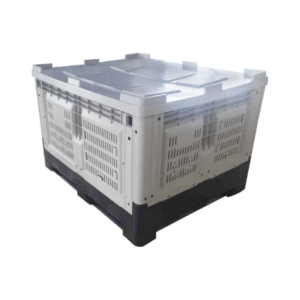
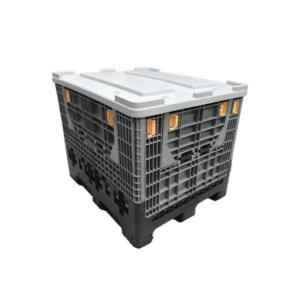
A plastic pallet is a durable and multi-use platform for commodities storage, stacking, and transportation in a gamut of industries. Plastic pallets are made of different raw materials like high-density polyethylene (HDPE), recycled plastics, or polypropylene (PP), thus offering plus-points for moisture-, chemical-, and pest resistance. In fact, they are considered reusable with an extensive lifetime and can easily outlast wooden alternatives by generations.
Plastic pallets weigh less than wood, which averages around 15-18 pounds, depending on the design and material, thus reducing shipping costs. Furthermore, the pallets come in various designs such as rackable, nestable, and stackable, addressing different logistical requirements. These pallets are hygienic for processing in pharmaceuticals, food, and beverage industries since the pallets seldom absorb moisture or germs after cleaning. These are made for many plastic pallets, though one-piece molding makes them extra strong and durable.
Therefore, with the increasing orientation toward sustainable and efficient logistics solutions, stakeholders intend to tap into this growth radius. A recent market insight focuses on the fact that plastic pallets contribute to waste reduction in supply chains because of a longer lifecycle and recyclability. Besides, heavy loads can be taken by plastic pallets; static weights of up to 5,000 pounds and dynamic weights of about 1,250 pounds may be supported, depending on type and size.
Although the initial investment in plastic pallets is higher than that for wooden pallets, with less frequent replacement and transportation costs and better hygiene standards bearing in their favor in the long run, the investment seems to be warranted. Plastic pallets have thus emerged as a practical and greener alternative to supply chain operations nowadays.
What is a Wood Pallet?
Wooden pallets are flat platforms that are frequently used in shipping and logistics to carry and move goods. Wood pallets are generally made of hardwood or softwood and are constructed for heavy load-bearing capacity, durability, and handling. Due to their easy availability and cheap price, wood pallets are used in food, retail, pharmaceuticals, and manufacturing sectors.
A wooden pallet usually comes in standard sizes. The more commonly accepted size in the United States is in the range of 48 x 40 inches, as defined by the National Wooden Pallet and Container Association. This pallet type accommodates heavy loads and usually has a static weight capacity of more than 3,000 pounds and a dynamic weight capacity of up to 2,800 pounds, depending on its construction and design. Custom-sized pallets are available for specific requirements.
They are quite recyclable, repairable, and able to be utilized repeatedly, thus making them a sustainable choice if well managed. However, they latticed with flaws might bear more damage, moisture absorption, and contamination, as opposed to their plastic counterparts. Some pallets are heat-treated or chemically treated to increase their strength and resistance to pests. Despite all the shortcomings, these wood pallets remain the most common type of pallet in the world, with millions in existence supporting supply chains worldwide.
Key Differences: Plastic vs Wood Pallets
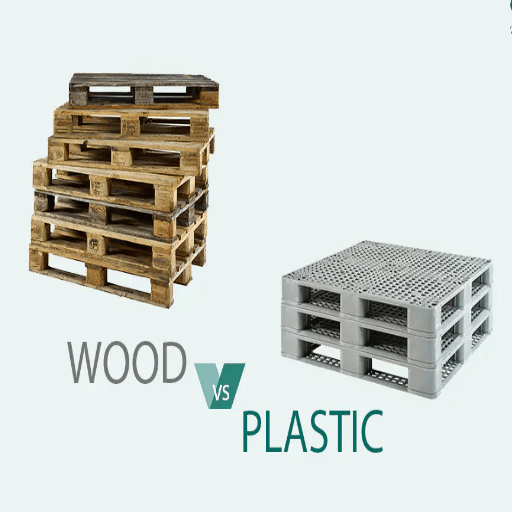
| Aspect | Plastic Pallets | Wood Pallets |
|---|---|---|
| Durability | An immensely vast duration of existence, resistance against moisture, chemicals, and pests | Can lose value with time, especially in humid or wet conditions |
| Hygiene | Easy to clean and sanitize, suitable for food and pharma industries | Absorb moisture and can harbor bacteria or pests |
| Initial Cost | Higher upfront cost but more cost-efficient in the long run | Usually less initial cost |
| Weight | Lighter weight (15-18 pounds), greater shipping savings | Heavier than plastic pallets |
| Environmental Impact | Recyclable with longer life, minimizing waste formation | Biodegradable, made from renewable material |
| Load Capacity | Static: up to 5,000 lbs, Dynamic: ~1,250 lbs | Static: 3,000+ lbs, Dynamic: up to 2,800 lbs |
Strength and Durability Comparison
Various facets are usually examined when discussing the strength, durability, etc., where plastic pallets exercise superiority over wooden pallets. Plastic pallets stand up to high durability in the harsh weather of wet weather since they resist moisture, chemicals, and pests. They also resist cracking and splitting, embracing long life through repeated use. Typically, wooden pallets have a more significant static load capacity and carry heavy goods standing still; they become discountable and are vulnerable to moisture and insect checks-type weather, which might affect their durability. Therefore, an application-specific situation might dictate, depending on environmental factors and the life span of pallets, whether plastic or wood should be chosen.
Weight and Handling: Plastic vs Wood
Plastic pallets are usually lighter than wooden ones, making them easier to handle during transport and reducing shipping costs. Their lighter weight can help reduce worker fatigue and increase efficiency in material-handling activities. Wooden pallets, being heavy, offer higher friction to prevent slippage, more so during stacking or transportation on forklift trucks. On the other hand, the weight of wooden pallets is an impediment when it comes to maximizing payload or adhering to weight regulations. Thus, the decision to go for one or the other is a trade-off between handling requirements, ease of use, and logistic considerations peculiar to actual operations.
Pros and Cons Analysis
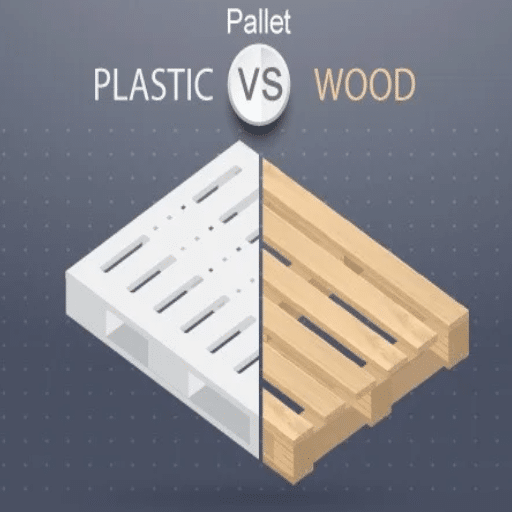
Advantages of Plastic Pallets
- Durability: Very durable and can withstand weather, moisture, and chemical interactions
- Lightweight: Lighter than wooden pallets, reducing freight charges and facilitating easier manipulation
- Hygiene: Non-porous, can be wiped clean, suitable for food, pharmaceuticals, and healthcare
- Consistency: Dimensional uniformity in weight and shape, compatible with automation
- Longer Life: Resilience enables longer use, better value for money despite a higher initial price
- Recyclability: Most plastic pallets are recyclable, sustaining nature and reducing environmental hazards
Disadvantages of Plastic Pallets
- Higher initial cost compared to wooden pallets
- Less friction, which may increase slippage during transport
- More difficult to repair and commonly needs complete replacement when damaged
Advantages of Wooden Pallets
- Durable and can carry heavy weights
- Has a better grip so that goods stacked or being transported thereon do not slip
- Easily available and are mostly cheaper in initial price
- Easy to repair with the possibility of replacing individual planks
Disadvantages of Wooden Pallets
- Durability Issues: Can splinter, break, or warp when water befalls them or when heavy loads exert pressure
- Pest Attack: Might fall prey to pests like termites and beetles
- Weight and Handling: Heavier than plastic pallets, higher shipping rates and more laborious manual handling
- Moisture: Being porous, it will absorb moisture, becoming a carrier for mold and bacteria
- Lack of Uniformity: Vary with respect to size, weight, and quality, leading to inconsistencies
When to Use Plastic Pallets
Plastic pallets are ideal in any industry that requires high standards of hygiene, such as food and pharmaceuticals, as they can be sanitized with ease and are resistant to contamination. These pallets are also used in export work, since they conform to international shipping stipulations and avoid the ISPM-15 requirements, thereby saving the expense of fumigation. They stand the test of time while being extensively used, so they are indeed a great long-term investment choice. Briefly, plastic pallets are also lighter and lower in shipping costs, plus environmentally conscious when manufactured with recycled materials, thus promoting sustainable business practices. However, from an upfront perspective, they may cost more than wood pallets; yet many times, their life, combined with these other benefits, makes it worth investing in where hygiene, durability, and regulation are considered.
When to Use Wood Pallets
Known for their versatility, wood pallets are essentially an alternative for industries where cost restraints become an issue and demand flexibility. Compared with counterparts that seek specialized treatment, wood pallets are cheap enough for any business in need of pallets by the thousands. Another reason for their flexibility is that they are repairable: boards can be changed without disposing of the entire pallet, thereby extending their usability by quite some time.
Another advantage of wood pallets is the capacity of supporting loads. Wood types, depending on which is used, provide the deputy to load heavy weight, often bearing static loads of 4,600 pounds and dynamic loads of 2,500 pounds. This places these pallets in major industries, such as manufacturing, agriculture, and construction, which involve the transport of heavy products and materials.
Another advantage of wood pallets is the flexibility of customization. They can be made in lots of sizes and designs to suit the specific needs of a company. For example, specialized pallets could be built for a particular kind of machinery or packaging configuration.
An environmentally friendly option, if used sustainably, wooden pallets are biodegradable and can be recycled. Studies indicate that over 95% of wooden pallets in use today are turned into new pallets, mulch, or other wood products. This circular economy minimizes wastage and supports environmentally friendly actions.
Therefore, wood pallets serve well whenever short-term shipping, transport, and relatively few concerns regarding hygiene and contamination come into play, as seen in food and pharmaceuticals. For those projects and operations where cost keeps things at the forefront, they remain the value engineering choice!
Industry Preferences: Wood or Plastic?
In choosing between wooden and plastic pallets, consideration must be given to aspects such as price, durability, the environment, and industry requirements. Therefore, wood pallets are still in great demand in the world market, accounting for about 90-95% of all pallet usage because of the low price and easy repair of these pallets. In many cases, wood pallets are used in agriculture, manufacturing, and retail for short-term shipment of high volumes where cost effectiveness is important. Furthermore, wood pallets are also made from renewable raw materials and can be recycled to a very large extent, even at the end of their service life.
Plastic pallets prove much costlier upfront but work best in the conditions when hygiene is paramount, coupled with demand for durability. Using this type of pallet in pharmaceutical, food processing, and electronics sectors make sense since these pallets resist moisture and bacteria and are rather easy to clean. Most plastic pallets also have dimensions with tight tolerances, ensuring the efficient handling of goods in automated systems. Plastic pallets have been studied and shown to last up to 10 times longer than wood ones, thereby making a good case for better long-term savings notwithstanding smokier short-term costs.
Environmental considerations further complicate the issue. Wood pallets being biodegradable and carbon-neutral renders their disposal phases greener than plastic. Conversely, plastic pallets are unwelcome to green activists for being non-biodegradable; however, a growing number can be made and recycled from recycled material, thereby cutting down on the carbon footprint if done responsibly.
Being operations and shipment-oriented, and set for a long-term sustainability strategy, industries appear to allocate varying weights to these considerations. While the wood still carries the main cost-effective qualification, plastic finds increasing acceptance wherever sanitation, durability, and automation-assisted handling become unquestioned.
Applications in the Supply Chain

Please note, plastic pallets offer high levels of cleanliness and contamination control and can therefore be used with regard to sectors involved in processing food and pharmaceuticals. They should also be suitable for overseas shipment without needing to be fumigated. On the other hand, wood pallets may be more cost-effective for general purposes and are often used in industries where front-end costs are at a premium. Wood pallets’ repairability and multiple sizes are helpful in warehouses and home logistics. The choice of the pallet type is based on specific business needs such as budget, operational requirements, and regulatory requirements.
Choosing the Right Pallet
Before going for the type of pallet, the selection should focus on the actual needs of the operation. For cost-effectiveness and versatility, wood pallets can be your best choice. They are quite sturdy, easy to get hold of, and suitable for almost all industries. However, if the working conditions put great weight on their hygiene, durability, or compatibility with automated systems, then plastic pallets might be a better choice. Besides, think about load capacity, the environmental factor, and reusability: while considering these prioritized parameters should ultimately ensure the pallet meets your perspective concerns in the long run.
Factors to Consider for Your Business
- Budget Considerations: Weigh initial outlay vs. long-term savings
- Durability Requirements: Consider working environment and expected lifespan
- Sustainability Goals: Evaluate environmental impact and recycling options
- Operational Needs: Assess hygiene standards, automation compatibility, and load requirements
- Industry Regulations: Consider compliance with shipping and safety standards
Future Trends in Pallet Materials

The future for pallet materials will lean towards sustainability, efficiency, and innovation. The increased usage of recycled and recyclable materials is a huge trend, whereas many manufacturers choose plastic pallets made from post-consumer wastes to minimize the environmental impact. Then there is another set of rising developments in composite materials that realize the midpoint between wood strength and plastic durability, offering longer life and lower lifecycle costs.
A second giant trend is the adoption of smart technologies like RFID tags and IoT-enabled pallets for enhancing supply chain traceability, improving inventory management, and reducing losses. At the same time, lightweight and biodegradable options are being introduced in response to increasing concern for green logistics solutions across industries. The trends speak of how the industry is trying to marry innovation with ecological responsibility to address future market demands.
Final Thoughts on Plastic vs Wood Pallets
When it comes to a plastic or wood pallet, the choice is entirely reliant on what your needs and priorities are. Wood pallets are less costly to process and popular; hence, most general applications use them as long as there is some emphasis on minimizing upfront cost. Plastic pallets, meanwhile, can be used with environments where high-level sanitization or automation must be maintained; hence industries such as pharmaceutical and food processing make use of plastic pallets.
Consider these few factors in making your choice:
- Durability: Plastic pallets have a longer life and require less maintenance, while wood pallets are easily damaged but can be unexpensively fixed or replaced.
- Hygiene: Plastic pallets can be sanitized with ease and adhere to health standards in regulated industries, while untreated wood pallets could harbor bacteria or pests.
- Environmental Impact: Wood pallets are biodegradable and easily recycled, making them a greener option. On the flip side, many plastic pallets are reusable, and more and more are made from recycled materials themselves.
- Cost: Upront, wood pallets are usually cheaper than plastic ones, but long-term ROI favors plastic pallets due to their extended life.
Taking a hard look at these factors and putting them against your operational needs will greatly assist in making a practical choice from both a cost and functionality standpoint, as well as sustainability.
Reference Sources
Destructive Testing of Wood Plastic Composite
Sensitivity Analysis of the Environmental Impact of Polymer Injection Molding Process
Adoption of Value-Adding Processes in Swedish Sawmills
Frequently Asked Questions (FAQs)
What are the differences between plastic pallets and wood pallets?
Plastic pallets and wood pallets differ mainly in their material properties, where they stand with respect to durability, and maintenance. Plastic pallets resist moisture, chemicals, and pests, rendering them suitable for a variety of environments. On the other hand, wood pallets are often made with untreated wood, which can absorb moisture and be prone to pest attacks. Further, plastic pallets outlast wood ones because they mold or break less easily with age.
Are plastic pallets better than wood pallets?
The answer to whether plastic pallets are better than wood pallets largely depends on the specific needs of your supply chain. Plastic pallets make for a hygienic pallet that can be washed easily; thus, the food and pharmaceutical industries often use them. They are also lighter in weight and can be recycled once they’ve served their purpose. Wood, however, is generally less costly, providing end users with a cheap alternative.
What are the advantages and disadvantages of wood and plastic pallets?
Plastic pallet advantages include durability, resistance to chemicals, and hygienic benefits; whereas drawbacks could be their higher initial costs and weight in comparison to wood. Yet wood pallets are often cheaper and can easily be mended, although they require maintenance, and pests can coexist with them. Therefore, weighing all the pros and cons of wood and plastic pallets will determine the best pallet type to be used for a particular situation.
Can plastic pallets be recycled?
Yes, once plastic pallets reach the end of their usable lives, recycling is carried out on some of them. They are usually manufactured from high-density polyethylene (HDPE) or polypropylene, materials which can be reprocessed and reused. Hence, making plastic pallets a greener option, especially in light of the increasing clamour for environmentally-friendly supply chain solutions.
What type of pallet is better for the food industry: plastic or wood?
Plastic pallets are much better for food industries, just a supposition. They are hygienic and can be washed and sanitized quickly. They are non-porous to moisture and odors. Wood food-grade pallets must fulfill certain standards to be considered safe for food contact, and if not taken care of properly, they would also hold bacteria. For many food producers, plastic pallets spell safety and compliance.
How do the costs of plastic pallets vs wood pallets compare?
Though plastic pallets are the more costly option for initial purchase costs and freight costs due to weight, they can offer greater economies in actual use by virtue of the greater life and lesser maintenance requirements. A business, therefore, stands to deliberate over the initial investment against a possible saving in the longer run while purchasing between plastic and wood pallets.
What is the lifespan of plastic pallets compared to wood pallets?
Plastic pallets usually outlive wood pallets. While wood pallets may last for years depending on usage and weather conditions, plastic pallets can last for over 10 years with proper care. This makes it an economically sensible choice for companies looking to reduce replacement costs and increase logistics productivity.
Which pallets are more commonly used: plastic pallets or wood pallets?
Wood pallets are most commonly used, particularly in conventional industries and with smaller businesses, for their lower costs and availability. Nevertheless, plastic pallets are becoming more widely employed, especially where hygiene and durability matter. The choice between plastic pallets and wood pallets ultimately depends on the specifications of the business and the type of product being transported.