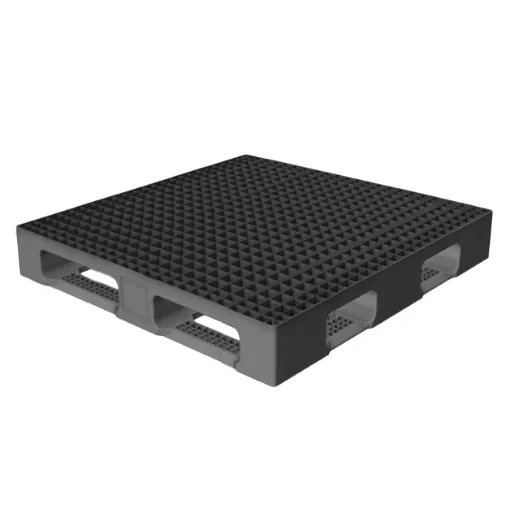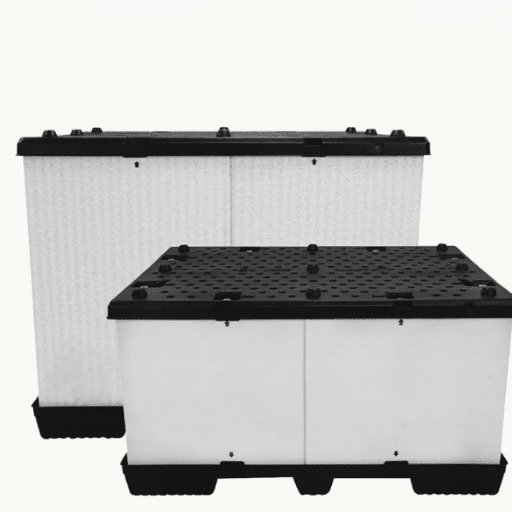
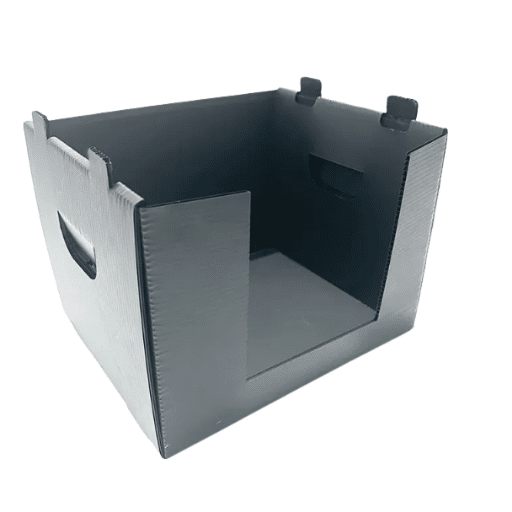
The concepts related to the entire cost of ownership (TCO) are important in the world of logistics for the assessment […]
Insulated fish containers ensure optimal temperature control, keeping seafood fresh and reducing spoilage. Made from durable, FDA-approved materials, they are reusable, easy to clean, and stackable. Perfect for transport and storage, these containers enhance efficiency and support sustainable seafood operations.
| Specification Category | Specification Details |
|---|---|
| Material | High-density polyethylene (HDPE) |
| Insulation | Polyurethane foam (PU) |
| Capacity | 100 liters |
| External Dimensions | 80 cm (L) x 50 cm (W) x 60 cm (H) |
| Internal Dimensions | 70 cm (L) x 40 cm (W) x 50 cm (H) |
| Weight | 12 kg |
| Color Options | White, Blue, Green |
| Temperature Range | -20°C to 10°C |
| Lid Type | Hinged lid with secure locking mechanism |
| Handles | Ergonomic side handles |
| Drainage | Built-in drainage plug |
| Stackability | Stackable design for easy storage |
| Certifications | FDA-approved, BPA-free |
When selecting insulated fish containers, evaluate their insulation quality and ability to maintain low temperatures. Look for containers with high-density polyurethane foam or similar materials that provide excellent thermal retention. This ensures your seafood stays fresh during long transport or storage. Additionally, check the R-value of the container, as higher values indicate better insulation. Proper temperature control is critical for reducing spoilage and maintaining product quality.
Insulated fish containers should be made from durable, FDA-approved materials like high-density polyethylene (HDPE). These materials resist impact, UV exposure, and harsh cleaning chemicals, ensuring long-term use. Opt for containers with double-wall construction for added strength and insulation. Durable containers not only protect your seafood but also reduce replacement costs over time, making them a cost-effective investment for your operations.
Choose insulated fish containers that match your storage and transport needs. Consider the container’s capacity, stackability, and compatibility with forklifts or pallet jacks for easy handling. Features like vented or solid walls, drainage plugs, and secure lids can enhance functionality. Stackable designs save space, while smooth interiors simplify cleaning. Selecting the right size and features ensures efficiency and convenience in your seafood operations.
The concepts related to the entire cost of ownership (TCO) are important in the world of logistics for the assessment […]
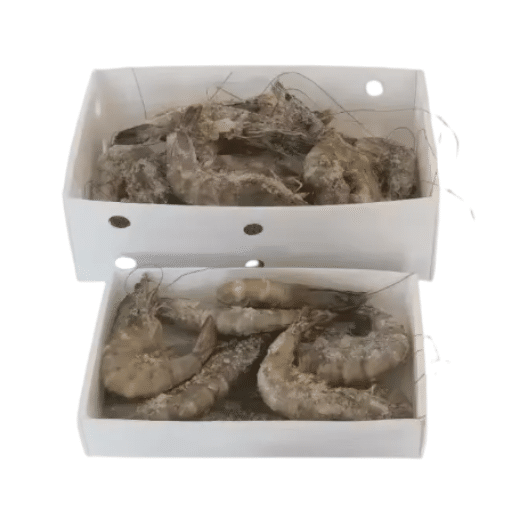
The best custom plastic pallet materials for most operations are high-density polyethylene (HDPE) for cold, impact-heavy environments and polypropylene (PP) for high-heat, rigid-racking applications. Recycled HDPE […]
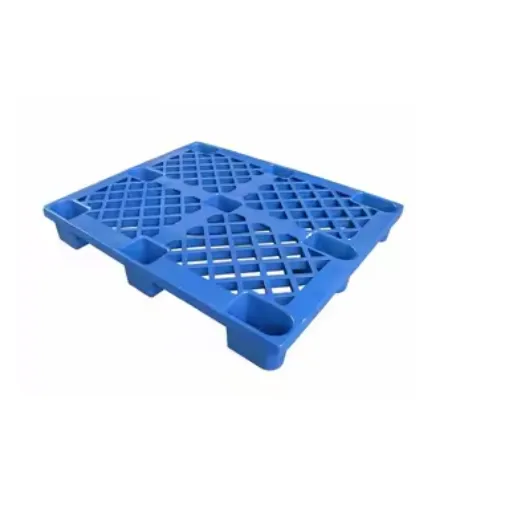
Plastic pallet boxes, cold storage solutions used widely, serve as bulk containers made of non-conductive plastics such as polypropylene or […]
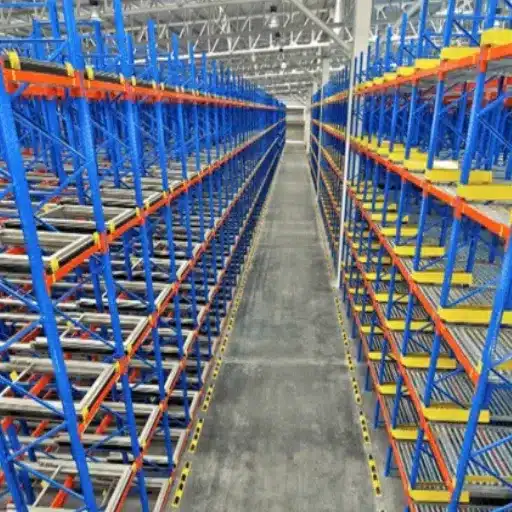
The main types of warehouse racking are selective pallet racking, double-deep racking, drive-in racking, drive-through racking, push-back racking, pallet flow […]
A: Insulated fish containers are used to maintain low temperatures, preserving seafood freshness during transport, storage, and processing.
A: They are typically made from high-density polyethylene (HDPE) with polyurethane foam insulation for durability and temperature retention.
A: Yes, they are designed for repeated use, making them eco-friendly and cost-effective.
A: They provide excellent thermal insulation, maintaining consistent low temperatures to reduce spoilage and extend seafood shelf life.
A: Yes, they feature smooth, non-porous surfaces that are easy to clean and meet food safety standards.
A: Yes, most designs are stackable, optimizing storage and transport space.
A: They come in various sizes and capacities to suit different storage and transport needs.
A: Yes, they can also be used for frozen goods, pharmaceuticals, and other temperature-sensitive items.