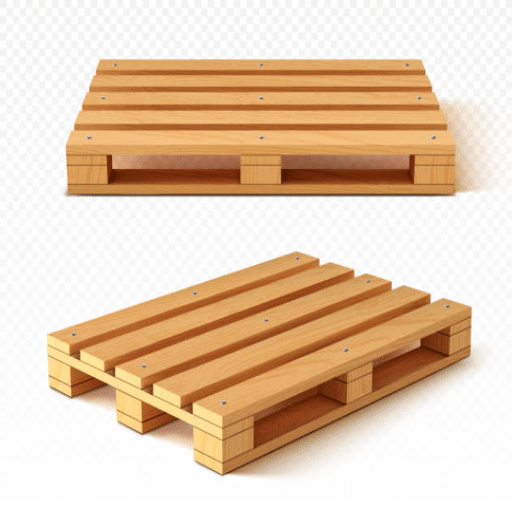
The durability of pallet testing is a matter of utmost importance when considering the reliability and longevity of a pallet […]
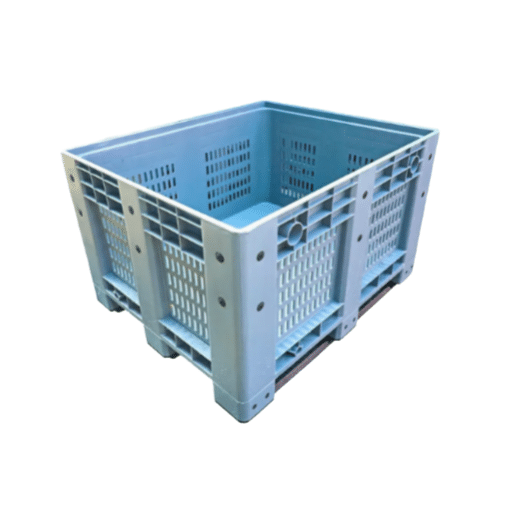
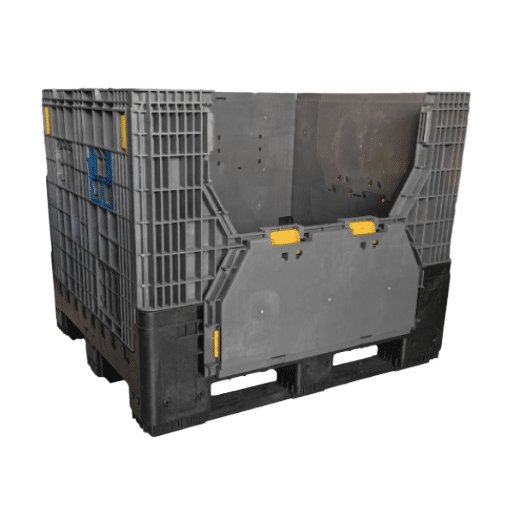
In the ever-evolving world of logistics and storage, non-foldable containers have emerged as a cornerstone for efficient and reliable operations. Whether in a bustling warehouse or a remote industrial site, these non foldable plastic pallet boxs provide unmatched durability and versatility. As industries seek more sustainable and efficient storage solutions, non-foldable containers continue to be indispensable across a myriad of sectors.
| Parameter | Details |
|---|---|
| Material | HDPE (High-Density Polyethylene) |
| Specification (Dimensions) | 1200 x 1000 x 760 mm |
| Capacity | 500-1000L |
| Static Load | 4t (4000 kg) |
| Dynamic Load | 1t (1000 kg) |
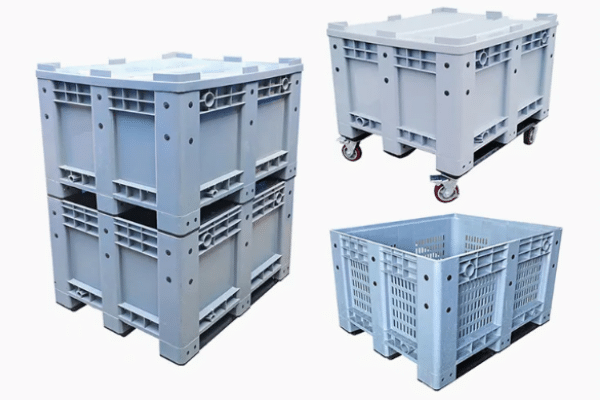
| Stackable Quantity | 5 Layers |
| Feature | Stackable |
| Type | Open (Non-Foldable) |
| Primary Applications | Automotive (Auto Parts), Logistics, Warehouse Storage, Recycling |
Non-foldable plastic pallet boxes stand out due to their lightweight nature, which reduces transportation costs compared to heavier materials like metal or wood. They are resistant to moisture, chemicals, and pests, ensuring longevity and cleanliness. This makes them ideal for industries requiring stringent hygiene standards, such as pharmaceuticals and food production. Additionally, their durability minimizes the need for frequent replacement, providing a cost-effective solution for long-term use.
When comparing non foldable plastic pallet boxes to traditional materials like wood and metal, the superiority of plastic becomes evident. Wood pallets are prone to splinters and may harbor bacteria, while metal can rust and be heavy to transport. In contrast, plastic pallet boxes are easy to clean and maintain, offering a more sustainable and efficient option for both storage and transport. Furthermore, their ability to withstand various environmental conditions makes them a preferred choice for many businesses.
Plastic containers, particularly those made from HDPE, offer eco-friendly benefits as they are recyclable and often manufactured from recycled materials. This reduces the environmental footprint and supports sustainable practices. Many Non-Foldable Container manufacturers are committed to producing eco-conscious products, further enhancing their appeal to environmentally aware businesses. The durability of plastic also means less frequent replacements, contributing to waste reduction.
The durability of pallet testing is a matter of utmost importance when considering the reliability and longevity of a pallet […]
The process of managing warehouses successfully requires a delicate balance between three essential factors, which include operational efficiency and precise […]
When it comes to manufacturing plastic products, picking the right molding technique is important to achieving the best results in […]
Custom plastic items are designed to fulfill specific purposes, and the injection molding process for manufacturing them is one of […]
A: The primary benefits of a non foldable plastic pallet box are its superior strength and durability. Because they have no hinges or moving parts, they are often more robust and can handle heavier loads. This makes them ideal for protecting valuable or fragile items during shipping and storage. They also tend to have a longer lifespan due to their solid construction.
A: These containers are widely used across various industries, including agriculture for harvesting and transporting produce, the automotive industry for handling parts, food processing, and waste management. Their durability and ease of cleaning make them suitable for a multitude of applications.
A: The load capacity can vary, but generally, a non foldable plastic pallet box has a dynamic (in motion) load capacity of around 1,000 kg and a static (stationary) load capacity that can exceed 4,000 kg. It’s crucial to check the specifications for the particular model you are using.
A: Cleaning a non foldable plastic pallet box is straightforward. Due to their non-porous HDPE construction, they can be easily washed with soap and water, pressure washed, or steam cleaned to ensure hygiene. This makes them an excellent choice for industries with strict cleanliness standards.
A: The main difference lies in their construction. A Non-Foldable Container has fixed, solid walls, offering maximum durability. In contrast, foldable containers are designed to collapse when empty, which saves significant space on return transport. The choice between them depends on whether durability or space-saving for return logistics is the higher priority.
A: Absolutely. Many of these containers are made from virgin, food-grade HDPE, making them safe for direct contact with food products. Their smooth surfaces are easy to sanitize, which helps prevent bacterial growth and ensures compliance with hygiene regulations.
A: Yes, they are a sustainable option. Many non-foldable plastic pallet boxes are made from recycled materials. At the end of their long service life, they are 100% recyclable and can be processed to create new plastic products.
A: Yes, a key feature of the Non-Foldable Container is its stackability. Their sturdy, rigid design allows for safe and stable stacking, which helps to maximize storage space in warehouses and during transport.
An expert manufacturer of industrial plastic pallets and custom solutions for businesses worldwide.