The process of manufacturing plastic pallets through injection molding is a prime example of how modern engineering meets efficiency and […]
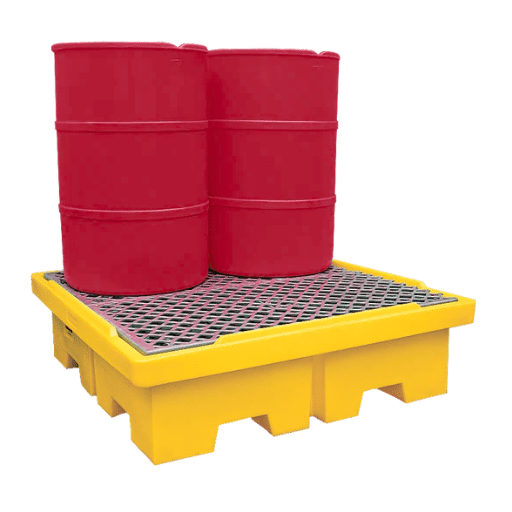
Prevent hazardous spills with our durable plastic spill pallet solutions, designed for safety and compliance. Our trusted products prioritize environmental protection and efficiency, ensuring your workplace remains secure and organized.
| Specification | Details |
|---|---|
| Material | High-density polyethylene (HDPE) |
| Weight Capacity | 1,500 lbs per pallet |
| Spill Capacity | 66 gallons |
| Dimensions (L x W x H) | 52 x 52 x 15 inches |
| Number of Drums Supported | Up to 4 standard drums |
| Chemical Resistance | Resistant to oils, acids, and solvents |
| Compliance | EPA, SPCC, and OSHA regulations |
| Drain Feature | Integrated drain for easy cleanup |
| Non-Slip Surface | Textured surface for drum stability |
| Color | Yellow or black |
Determine the volume of liquids you need to store to ensure the pallet’s containment capacity is sufficient. Pallets should accommodate the total liquid volume of potential spills. For larger operations, choose pallets with higher sump capacity to meet regulation standards and prevent hazardous leaks.
Choose pallets made from durable, corrosion-resistant materials like polyethylene. This ensures the pallet can withstand chemical spills and harsh environments without degrading. Consider your specific liquid type and compatibility with the pallet material to ensure longevity and safe containment.
For operations requiring frequent transport or repositioning, select pallets with forklift pockets or detachable components. This feature enhances ease of movement and operational efficiency. Additionally, ensure proper ergonomics for loading and unloading to minimize the risk of accidents.
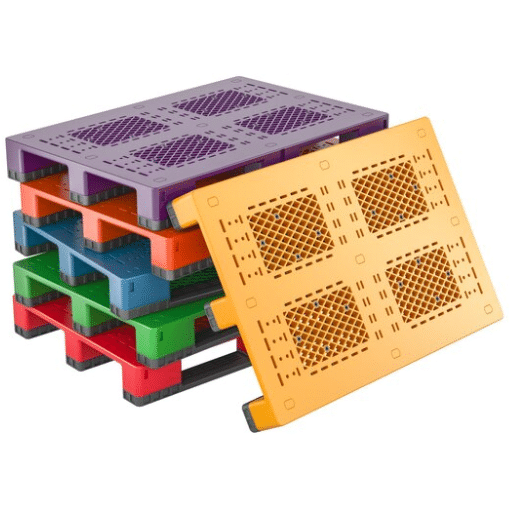
The process of manufacturing plastic pallets through injection molding is a prime example of how modern engineering meets efficiency and […]
The right warehouse management will make certain that efficiency occurs and that the employees are safe. Of all the safety […]
The trend of using reusable plastic pallets instead of single-use ones is spreading fast since most companies today are trying […]
Efficiency and sustainability are at the epicenter of contemporary supply chain management. Lightweight pallets are becoming a game-changer for the […]
A: A spill containment pallet is a specially designed platform used to capture and prevent leaks or spills from containers such as drums or chemical barrels. It is commonly used in industrial and commercial settings to ensure workplace safety and environmental compliance.
A: Spill containment pallets are typically made from durable, chemical-resistant materials like polyethylene or steel. These materials are chosen to withstand exposure to hazardous substances and harsh environments.
A: The weight capacity of a spill containment pallet varies depending on its design and model. Most pallets are built to support loads ranging from 1,000 to 4,000 pounds, ensuring safe storage for multiple containers.
A: Yes, most spill containment pallets are designed to comply with environmental and safety regulations, such as EPA (Environmental Protection Agency) and SPCC (Spill Prevention, Control, and Countermeasure) requirements.
A: Many spill containment pallets are built to handle outdoor conditions; however, it’s essential to choose a model designed for UV resistance and exposure to varying weather to ensure durability.
A: The number of drums a spill containment pallet can hold depends on its size. Common configurations include pallets designed for 1, 2, or 4 drums, with larger models available for heavier storage needs.
A: Maintenance involves regular inspections for cracks or damage and cleaning any spills promptly. Most pallets are easy to clean with water or non-abrasive cleaning solutions, ensuring they remain functional and safe.
A: Yes, using spill containment pallets can help businesses avoid costly fines, cleanup expenses, and damage to their reputation by ensuring compliance with safety and environmental regulations.